


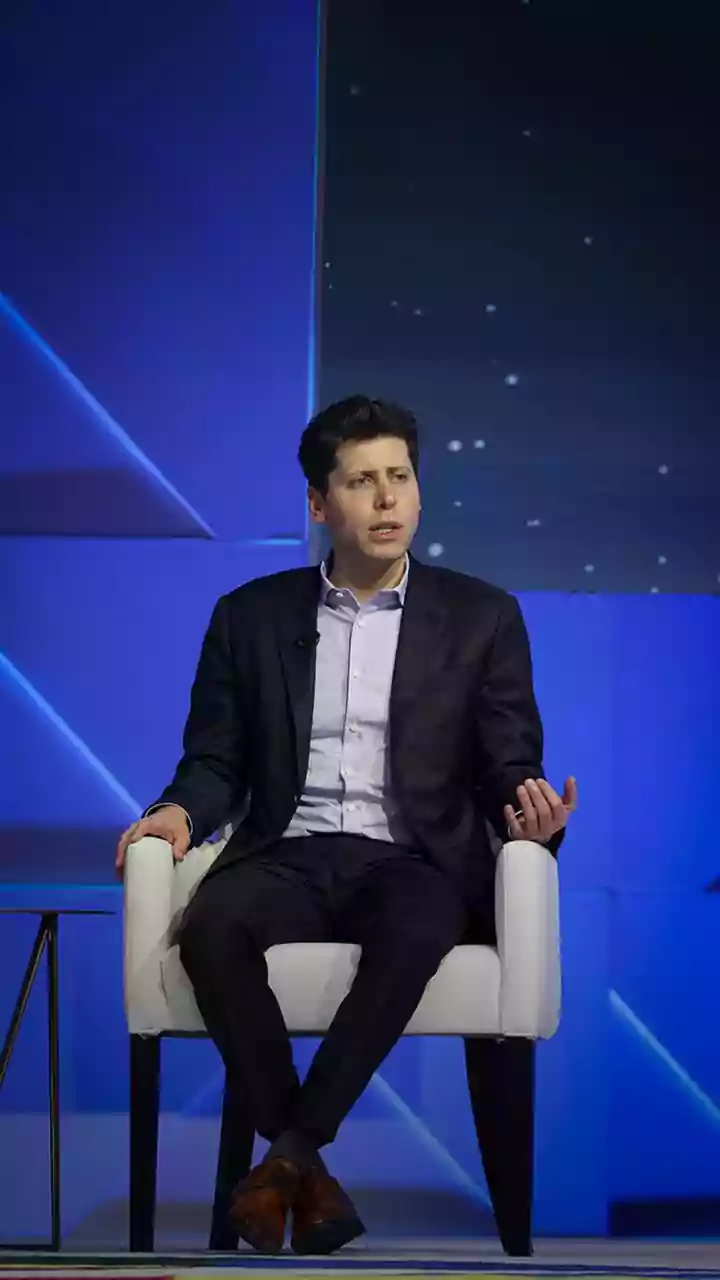





The New Face of Corporate Fraud
Not long ago, deepfakes were a novelty, a curious piece of internet culture. Today, they represent a serious threat to corporate security. These AI-generated videos and audio clips can realistically impersonate anyone, from a new job candidate to a CEO.
The risk is no longer theoretical. In a widely reported incident, a finance worker at the engineering firm Arup was tricked into transferring over $25 million after attending a video conference where every participant, including the supposed Chief Financial Officer, was a deepfake. This type of attack, known as Business Email Compromise (BEC) 2.0, bypasses traditional security by targeting the most vulnerable element: human trust. With studies showing that the vast majority of people cannot reliably identify a sophisticated deepfake, the need for a technological solution has become urgent.
How Real-Time Detection Fights Back
In response to this threat, a new category of cybersecurity tool has emerged: real-time deepfake detection plugins. Companies like Pindrop, Truly, and Reality Defender now offer solutions that integrate directly into popular video conferencing platforms like Zoom and Microsoft Teams. These plugins operate as a background security layer, much like antivirus software on a computer. They continuously analyse the audio and video streams of all participants in a meeting. The technology isn't looking for a single flaw, but rather a pattern of digital fingerprints that AI models leave behind. This can include unnatural blinking, subtle lighting inconsistencies on the face, strange pixel patterns around the mouth, or audio frequencies that are characteristic of a cloned voice. If the system detects a high probability of manipulation, it can instantly alert the meeting host or a security team.
Building a Wall of Authenticity
For remote and hybrid teams, the benefits of video feed authentication are immense. The most obvious is fraud prevention. By verifying that the person authorising a large financial transaction is genuine, companies can protect themselves from catastrophic losses. But the applications go further. During hiring processes, these tools can ensure that the candidate being interviewed is the same person who will show up for the job, preventing fraudsters from gaining access to sensitive corporate data. In high-stakes negotiations or legal proceedings conducted over video, real-time authentication provides a necessary layer of non-repudiation, confirming the identity of all parties involved. This technology essentially acts as a digital bouncer for your most important conversations, ensuring only verified individuals are in the room.
Limitations and the Road Ahead
While powerful, these plugins are not a silver bullet. The field of deepfakes is a constant arms race; as detection methods improve, so do the AI models used to create the fakes. Experts note that the accuracy of detection tools can vary when they move from controlled lab settings to the unpredictable environment of a live video call. Because of this, deepfake detection should be viewed as one component of a broader security strategy. This strategy might include multi-factor authentication for sensitive meetings, verbal passphrases, or follow-up verification through a separate, secure channel. The goal is to create multiple layers of defense. The technology is rapidly evolving, with a growing focus not just on spotting fakes, but on cryptographically proving the authenticity of a video feed from the moment it is created.