


Juice vs. Zest: Know Your Weapons
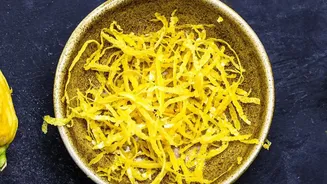
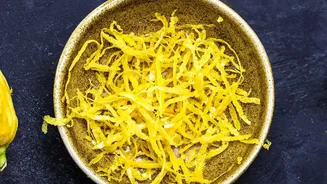
The first step to controlling lemon flavour is understanding its two primary components: juice and zest. Lemon juice provides the sharp, acidic tartness that makes your mouth pucker. It's the sour element. Lemon zest, the colourful outer layer of the peel,
contains aromatic oils. This is where the bright, floral 'lemon' fragrance and flavour come from, with much less acidity. For a truly deep lemon taste, you need both. The juice brings the punch, but the zest provides the aromatic depth. A common mistake is relying only on juice, which can add too much liquid and acidity without enough true lemon essence. When zesting, be careful to only grate the yellow part, as the white pith underneath is unpleasantly bitter.
The Sweet Science of Sugar
Sugar does more than just combat sourness; it's a structural necessity in many desserts, especially custards and bars. However, the goal isn't to obliterate the lemon's tartness but to complement it. A fantastic technique to amplify lemon flavour is to infuse your sugar. Before you begin mixing, rub the lemon zest into the granulated sugar with your fingertips or pulse it in a food processor. The abrasive sugar crystals will rupture the zest, releasing its fragrant oils and distributing that powerful aroma throughout your dessert. When it comes to adjusting sweetness, consider what you're making. If the lemon element is part of a larger, sweet dessert like a layer cake, the filling can be tarter. If the lemon curd is the star of the show on a scone, it might need to be a bit sweeter. You can always start with slightly less sugar than a recipe calls for and taste as you go, especially before adding eggs.
The Mellowing Power of Fats and Dairy
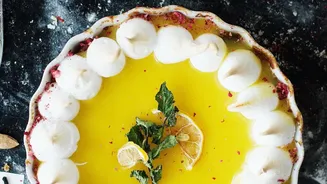
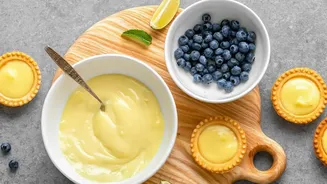
When your lemon dessert is too aggressively tart, fat is your friend. Ingredients like butter, egg yolks, and cream are crucial for taming acidity and adding richness. In a lemon curd, for example, egg yolks and butter are what create that famously smooth, creamy texture that balances the sharp juice. Adding cold butter at the end of cooking a curd emulsifies into the mixture, resulting in a velvety finish. Similarly, dairy products like cream, yogurt, or ricotta can soften a lemon's sharp edges. Be careful when combining acid and dairy, however. To avoid curdling a cream sauce or filling, add the lemon juice slowly and consider tempering by mixing a small amount of the hot liquid into your dairy before combining everything. Zest is a safer way to add lemon flavour to dairy-heavy recipes without risking separation.
Choose Your Citrus Wisely
Not all lemons are created equal. The two most common types you'll find are Eureka and Meyer lemons. Eureka lemons are the classic, tart variety with high acidity and a thick skin. They deliver that quintessential sharp lemon flavour. Meyer lemons, on the other hand, are a cross between a lemon and a mandarin orange. They are noticeably sweeter, less acidic, and have a thinner, more orange-hued skin and a floral aroma. For most desserts, either will work, but you may need to adjust your sugar. If you substitute sweeter Meyer lemons in a recipe designed for Eurekas, you might need to reduce the sugar slightly to keep it from becoming cloying. Conversely, if using Eurekas in a recipe calling for Meyers, you may need a bit more sugar to achieve the right balance.
Troubleshooting Common Problems
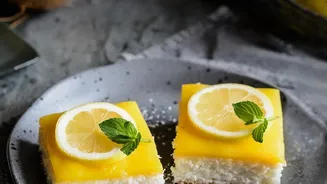
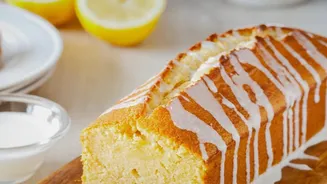
If your dessert tastes flat, it might not need more sugar or acid, but a pinch of salt. Salt is a flavour enhancer that can make both sweet and tart notes pop, creating a more balanced profile. If you've ever had a lemon curd with a slight metallic taste, it might be from a reaction between the acidic juice and a metal whisk or bowl. Using a non-reactive double boiler or a glass bowl can help prevent this. For cakes, a common issue is a weak lemon flavour because the aromatic oils can bake out. To combat this, layer your flavours. Use zest in the batter, and then use a lemon juice-based soak or glaze on the cake after it comes out of the oven to add a fresh, bright finish.