








Letting Go of the Itinerary
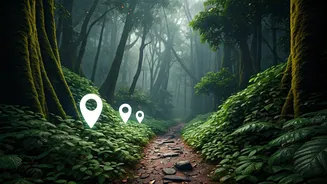
We are a generation obsessed with optimisation. Our playlists are curated by algorithms, our meals are pre-planned, and our holidays are often scheduled down to the minute. We create detailed Google Maps with pins for every 'must-see' cafe and 'hidden
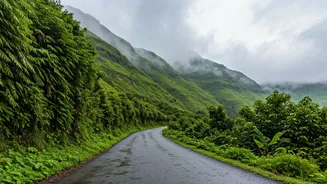
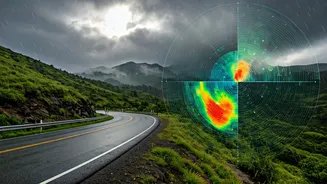
gem' viewpoint. This approach works, until it doesn’t. And nowhere does it fall apart more beautifully than during the monsoon. The monsoon is nature’s great disruptor. It washes away plans with the same force it washes the dust off the trees. A sudden downpour can last for hours. A landslide might block the only road to your destination. Your perfectly planned trek might be cancelled due to slippery paths. The first instinct is frustration. But the second, if you allow it, is liberation. The monsoon forces you to surrender your spreadsheet and simply exist in the now.
A Symphony for the Senses
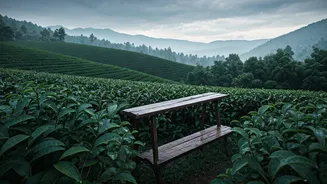
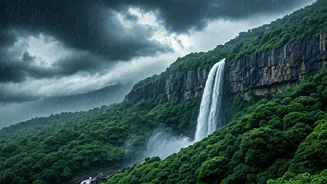
When you stop chasing destinations, you start noticing the journey. A monsoon trip is a feast for the senses, best enjoyed at a slower pace. It’s the intoxicating smell of petrichor—the earthy scent of rain hitting dry soil. It’s the visual spectacle of a landscape transformed, with fifty shades of green covering hills that were brown just weeks before. It’s the rhythmic drumming of rain on a tin roof, a sound that can be both meditative and dramatic. And then there’s the taste. The monsoon is inextricably linked to a specific culinary culture. There is no greater joy than pulling over at a roadside stall, steam rising from a fresh batch of pakoras or corn on the cob roasted over coals, and pairing it with a glass of piping hot chai. These aren’t just snacks; they are moments of pure, unadulterated comfort. These are the moments that a map can never lead you to.
The Unexpected Joy of Being Stuck
In our hyper-connected world, being 'stuck' is a nightmare. But on a monsoon trip, it’s an opportunity. Imagine your car is halted by a small, gushing stream that has temporarily flooded the road. The 'map' tells you this is a problem, a delay. The 'moment' tells you to turn off the engine, step out, and listen. You might end up in a conversation with fellow stranded travellers. You might discover a tiny dhaba just around the bend that serves the most incredible dal tadka you’ve ever tasted. These forced pauses are where the magic happens. They are invitations to observe, to interact, and to be present. You might spend an entire afternoon in a small village cafe, watching the world go by through a rain-streaked window, a book in one hand and endless cups of coffee in the other. This isn't wasting time; it's investing it in an experience that can't be booked online or rated on an app.
Pack a Mindset, Not a Schedule
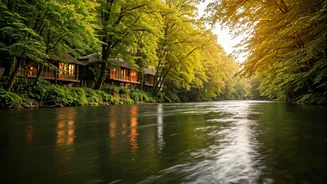
So, how does one plan for a trip that defies planning? You don’t. Instead, you prepare. The key is to pack the right mindset. Be flexible. Be curious. Carry a waterproof jacket and a good book. Have a general direction in mind—say, the Konkan coast or the hills of Coorg—but leave the specifics to chance. Instead of booking every night in advance, perhaps book the first and last, leaving the days in between open to discovery. Follow a sign that looks interesting. Ask a local for a recommendation and actually follow it. Choose the homestay with the inviting porch over the hotel with the best reviews. The goal is to collect experiences, not just tick off sights from a list. Your photos might be of misty roads and foggy valleys instead of famous monuments, but the stories behind them will be infinitely richer.