




What is Physical AI?
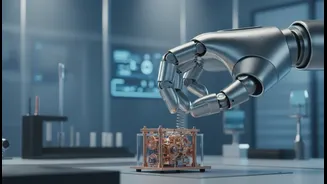
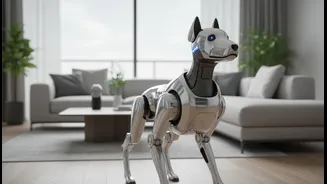
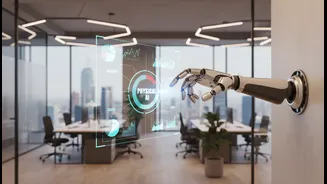
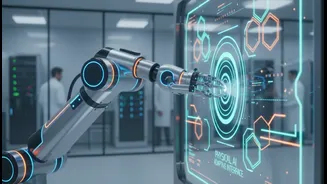
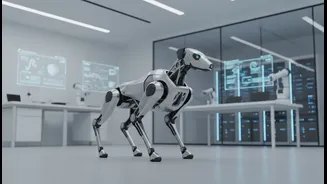
Physical AI, also known as embodied AI, refers to systems that can perceive, reason about, and physically interact with their environment. Think of it as the difference between a chatbot that can describe how to make coffee and a robot that can actually
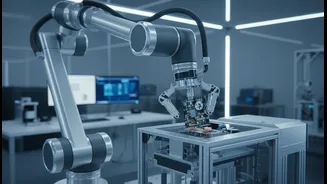
grind the beans, operate the machine, and hand you the cup. While traditional industrial robots are masters of repetition—performing a single, pre-programmed task thousands of times—Physical AI systems are designed for generalization. They use a suite of sensors like cameras, lidar, and microphones to understand the world, and powerful AI models to make decisions and execute actions through motors and grippers. The goal isn't just automation; it's autonomy in complex, unpredictable human environments.
The Catalyst: Why Now?
The concept of intelligent robots isn't new, but several key technologies have recently converged to make it a reality. The most significant driver has been the explosion in large language models (LLMs), the same technology behind generative AI tools. Researchers discovered that these models, trained on vast amounts of text and images from the internet, could provide a crucial reasoning and problem-solving layer for robots. This led to the development of Vision-Language-Action (VLA) models, a new architecture that fuses perception, planning, and control into a single system. Models like Google DeepMind's RT-2 can translate a spoken command like "pick up the apple" into the series of physical movements required to execute the task, even if it has never seen that specific type of apple before. This leap in AI capability, combined with cheaper sensors and more powerful computer chips, is fueling the current wave of investment and innovation.
The Race for Embodied Intelligence
A fierce competition to build the world's first truly general-purpose robot is underway. Tech giants and startups are pouring billions into the field. Google DeepMind is a major player, developing foundational models and showcasing projects like ALOHA, where robots learn complex, two-handed tasks like tying shoelaces. Tesla is leveraging its experience with autonomous driving to develop its Optimus humanoid robot, with the ambitious goal of deploying it in its own factories and eventually selling millions of units. Perhaps the most-watched startup is Figure AI, which is developing a humanoid robot for use in manufacturing and logistics. The company made headlines for a collaboration with OpenAI, though it has since decided to develop its core AI in-house, highlighting the strategic importance of vertically integrated hardware and software. Underpinning much of this development is NVIDIA, which provides the critical GPUs and simulation platforms like Isaac and Omniverse that allow robots to be trained in virtual worlds before being deployed in the real one.
From the Factory to the Home
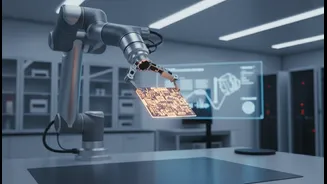
The potential applications for Physical AI are vast, promising to reshape entire industries. The most immediate impact will be in manufacturing and logistics, where robots can work alongside humans on assembly lines or manage warehouse inventory. Companies like BMW are already running pilot programs with humanoid robots in their factories. Autonomous vehicles, a highly visible form of Physical AI, are already operating in several cities, with companies like Waymo and Baidu leading the charge. Further down the line, developers envision these robots entering healthcare to assist with surgery or patient care, and eventually our homes to help with chores and provide companionship. The key differentiator is the move toward general-purpose machines that can learn new tasks, rather than single-purpose appliances.
The Hard Realities of the Physical World
Despite the impressive demos and massive investment, significant hurdles remain. The physical world is messy and unpredictable, governed by laws of physics that are far less forgiving than a digital environment. A chatbot that gives a wrong answer is an inconvenience; a robot that misjudges an object's weight can be dangerous. Safety, reliability, and bridging the 'sim-to-real' gap—ensuring that skills learned in a simulation translate perfectly to reality—are paramount challenges. Hardware is another major constraint. The cost of a capable humanoid robot remains high, and battery life is often limited to just a few hours, far short of what is needed for a full workday. These are not simple software bugs to be patched; they are fundamental engineering problems that require breakthroughs in mechanics, power systems, and AI safety.