





The Philosophy Behind the Fast
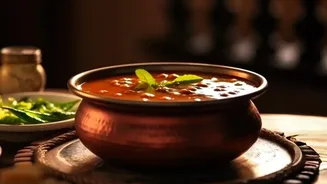
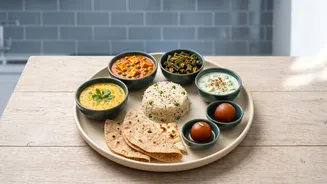
The Navratri fast is rooted in the principles of a Sattvic diet, which emphasizes pure, light, and easily digestible foods. The goal is to cleanse the system, reduce lethargy, and enhance mental clarity for prayer and reflection. This means avoiding foods that
are considered 'Tamasic' (like onions and garlic) or 'Rajasic' (overly stimulating), which are believed to cloud the mind and create restlessness. The diet is not about deprivation but about nourishing the body with foods that support spiritual and physical well-being.
Permitted Flours and Grains
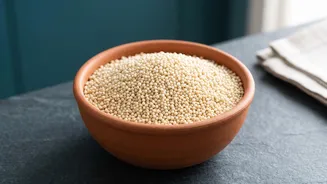
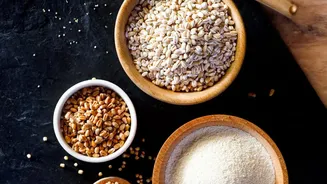
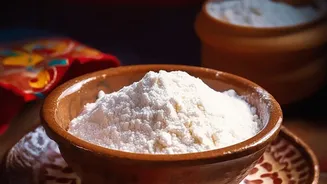
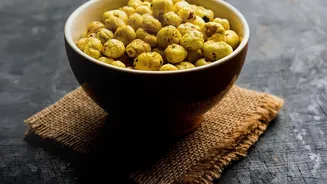
During the fast, regular grains such as wheat and rice are avoided. Instead, the menu relies on a group of versatile pseudo-grains and specific flours that provide ample energy and nutrition. Key among these are Kuttu ka atta (buckwheat flour), Singhare ka atta (water chestnut flour), and Rajgira ka atta (amaranth flour). Another staple is Samak ke chawal (barnyard millet), which serves as an excellent substitute for rice in dishes like khichdi and kheer. Sabudana (tapioca pearls) is also widely used to prepare everything from khichdi to vadas.
Vegetables, Fruits, and Dairy
A wide variety of vegetables are permitted, forming the base of many fasting meals. Potatoes, sweet potatoes, pumpkin, bottle gourd (lauki), cucumber, and taro root (arbi) are popular choices. All fruits and nuts are allowed, providing essential vitamins, fibre, and natural sugars for sustained energy. Dairy products like milk, yogurt (curd), paneer, and ghee are also integral to the fasting diet, offering protein and calcium to prevent fatigue.
Spices and Seasonings
The flavour profile of Navratri food is distinct due to a specific set of allowed spices. Regular table salt is strictly replaced with Sendha Namak (rock salt). Cumin, black pepper, green cardamom, cloves, and cinnamon are commonly used to season dishes. However, strong, heating spices like turmeric, asafoetida (hing), and mustard seeds are generally avoided.
Foods to Strictly Avoid
To maintain the purity of the fast, a number of food items are completely off-limits. This includes all non-vegetarian food like meat, fish, and eggs. Onions and garlic are strictly forbidden as they are considered Tamasic. All legumes and lentils, such as beans and chickpeas, are also excluded. Besides regular grains, you must also steer clear of processed and packaged foods, alcohol, and aerated beverages.
Tips for a Healthy and Energetic Fast
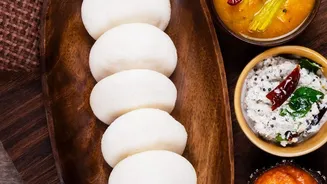
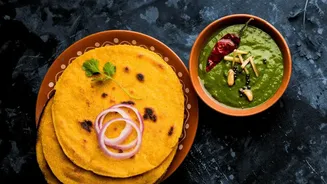
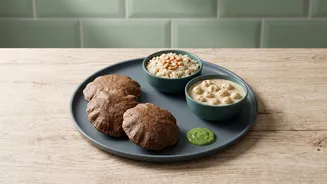
Staying healthy during the nine days requires a mindful approach. It is crucial to stay hydrated by drinking plenty of water, coconut water, or buttermilk. Instead of two large meals, opt for smaller, more frequent portions to maintain stable energy levels and prevent bloating. While traditional fried treats like kuttu puris are popular, try to balance them with lighter preparations. Baking or air-frying instead of deep-frying can make a significant difference. Incorporating a mix of fruits, nuts, and dairy will ensure you get a good balance of carbohydrates, proteins, and healthy fats. Most importantly, listen to your body and get adequate rest to support both your physical and spiritual goals.