



The Urban Gardening Dilemma
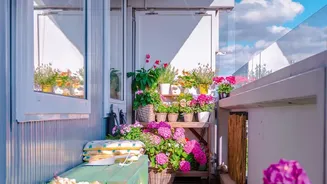
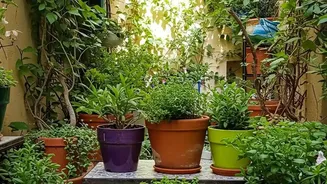
For many urban dwellers in India, the desire for a personal green space is strong. A few pots on the balcony or a terrace garden can feel like a private oasis. However, the dream can quickly wilt. Many popular, often non-native, ornamental plants struggle
with the intense Indian sun, require constant watering, and are susceptible to pests. This turns a relaxing hobby into a demanding chore. The challenges are clear: compact apartments limit space, municipal water can be erratic, and a busy lifestyle leaves little room for high-maintenance greenery. This has led many to seek a smarter, more sustainable approach.
Why Native and Hardy is the New Smart
The solution lies in working with nature, not against it. A growing movement among city gardeners is the shift towards native and hardy plants. Native plants are species that have evolved in the local environment over thousands of years. They are perfectly adapted to the specific climate, soil, and rainfall patterns. This means they are naturally resilient. Hardy plants, which often include native species, are tough survivors. They can withstand periods of neglect, harsh weather, and inconsistent watering. The benefits are significant: they require far less water once established, are naturally resistant to local pests and diseases (reducing the need for chemical pesticides), and demand less overall maintenance. This makes gardening more flexible, affordable, and environmentally friendly. Instead of struggling to keep fragile exotics alive, gardeners can enjoy plants that are meant to thrive in their exact location.
Your Balcony's New Best Friends
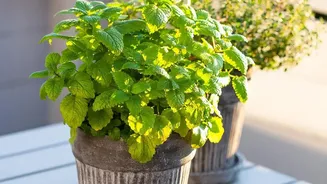
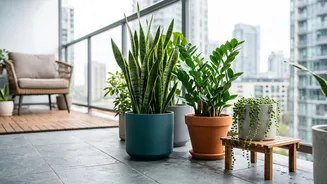
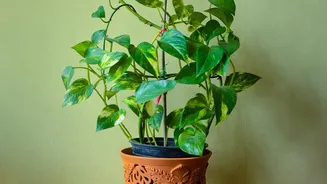
Ready to make the switch? Many beautiful and low-maintenance plants are perfectly suited for Indian city balconies. For vibrant, year-round colour with minimal fuss, Bougainvillea is a classic choice, thriving in the sun and tolerating dryness. Similarly, Lantana offers clusters of bright flowers that attract butterflies and laugh in the face of summer heat. For those who want functional plants, kitchen staples like Tulsi (Holy Basil) and Curry Leaf (Kadi Patta) are incredibly hardy. Tulsi is known for its medicinal properties and ability to repel insects, while a Curry Leaf plant provides fresh flavour for countless dishes with very little effort. Other tough contenders include the structural Snake Plant and Aloe Vera, both of which are succulents that store water and forgive infrequent watering.
More Than Just a Pretty Plant
Choosing native plants does more than just simplify your gardening routine. It plays a small but crucial role in supporting local ecosystems. These plants provide essential food and shelter for native birds, bees, butterflies, and other beneficial insects that are often displaced by urbanisation. A balcony with a flowering Aparajita (Butterfly Pea) or Hibiscus can become a vital nectar station for pollinators. This approach also helps conserve water, a critical issue in many Indian cities. By opting for drought-tolerant species, urban gardeners can collectively reduce the strain on water resources. Furthermore, gardening with plants that are deeply rooted in the region's culture and traditions, like Parijat (Indian Coral Tree) or Jasmine, can foster a stronger connection to one's natural heritage.
Getting Started on Your Hardy Garden
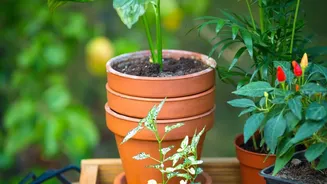
Beginning your native gardening journey is simple. Start by observing your space: how many hours of direct sunlight does your balcony or window get? This will determine which plants will flourish. Most local nurseries stock a wide variety of native and hardy plants like Marigold, Hibiscus, and Periwinkle (Sadabahar). When planting, the key is to ensure good drainage, especially for pots that will be exposed to monsoon rains. A soil mix of garden soil, compost, and a bit of sand helps prevent waterlogging. The golden rule is to water when the top inch of soil feels dry, rather than sticking to a rigid schedule. By choosing the right plants, you set yourself up for a rewarding experience that adds beauty and life to your home without becoming a burden.