


Water-Resistant vs. Waterproof: Know the Difference
First, let's clear up the most common point of confusion. 'Water-resistant' and 'waterproof' are not the same. A water-resistant bag can handle light splashes or a brief drizzle. Its fabric, often a tightly woven nylon or polyester with a coating, will
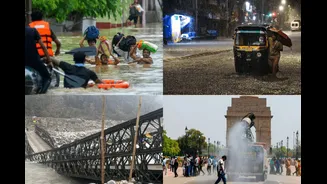
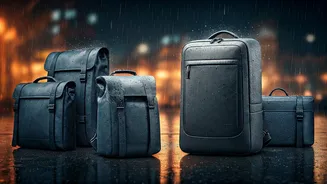
repel water for a short period before it soaks through. This is fine for a quick dash from the metro to your office, but not for a prolonged walk in a heavy downpour. A truly waterproof bag is designed to keep everything inside bone-dry even in sustained, heavy rain. These bags use materials like PVC or TPU-coated fabrics and feature construction methods that prevent water from entering at all. For the intense and unpredictable Indian monsoon, especially in cities like Mumbai or Kolkata, aiming for waterproof is a safer bet for your expensive electronics and important documents.
Focus on the Fabric: Materials That Matter
The material of your bag is your first line of defence. Look for high-denier fabrics, like 600D or 1680D Polyester or Nylon. The 'D' stands for denier, a measure of yarn thickness; a higher number generally means a tougher, more durable fabric. Many high-quality bags use materials like PVC-coated nylon or Thermoplastic Polyurethane (TPU) laminated fabrics, which provide an excellent barrier against water. While traditional materials like leather and canvas look great, they require special treatments to handle rain and can become heavy and prone to damage when wet. For monsoon readiness, synthetic, coated fabrics are far more practical and reliable.
Check the Construction: Seams and Zippers Are Weak Points
A waterproof fabric is useless if the seams and zippers let water in. Stitched seams, found on most standard backpacks, have tiny needle holes that water can easily seep through. For genuine waterproofing, look for bags with 'welded' or 'sealed' seams. This process uses heat to fuse the fabric panels together, creating a watertight bond with no holes. Zippers are the other major vulnerability. Standard zippers are a direct entry point for rain. Look for bags with waterproof zippers, such as YKK AquaGuard, which have a plastic coating over the teeth. Another effective feature is a 'storm flap'—a piece of fabric that covers the zipper track, providing a physical barrier against rain.
The Roll-Top Advantage: The Surest Way to Stay Dry
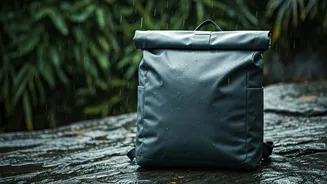
For maximum protection, consider a bag with a roll-top closure. Common in dry bags used for water sports, this design is becoming popular for urban commuter backpacks for a reason: it eliminates zippers from the main opening. By rolling the top of the bag down several times and securing it with a buckle, you create a highly effective watertight seal that is far more reliable than a zipper in heavy rain. For anyone carrying a laptop through a city with a heavy monsoon, a roll-top backpack with welded seams offers the highest level of assurance that your gear will arrive dry.
Beyond the Backpack: Other Solutions
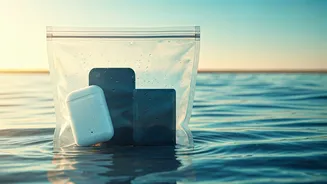
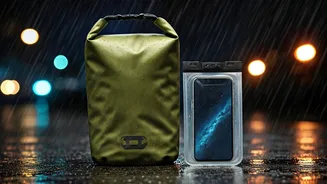
If you love your current backpack and don't want to replace it, there are other options. An external rain cover is a simple and effective solution. Many trekking and hiking backpacks come with an integrated rain cover, but you can also buy them separately. They are lightweight, pack down small, and can be quickly deployed when the rain starts. Another strategy is to protect your items from the inside. Using smaller waterproof 'dry bags' or even Ziplock bags inside your main backpack can provide a crucial second layer of protection for your most sensitive items like your phone, wallet, and charger.
Care and Maintenance: Keep Your Gear Ready
A waterproof bag needs a little care to maintain its performance. After exposure to rain, always allow the bag to air dry completely before storing it to prevent mildew. Clean it gently with a soft cloth, mild soap, and warm water; avoid harsh detergents or machine washing, which can damage the waterproof coating. Over time, the water-repellent coating can wear off. You can restore it by using a waterproofing spray designed for outdoor fabrics, ensuring your bag is ready for many monsoons to come.