



The Light-First Philosophy
For years, plant buying has been driven by aesthetics. We see a stunning Fiddle Leaf Fig in a magazine or a beautiful trailing Pothos on social media and decide we must have it. But without the right conditions, this often leads to disappointment. The
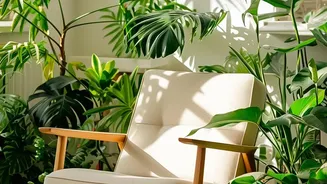
new rule for happy houseplants is simple: light comes first. Before you even think about which pot to buy or where a plant will look best, you must understand the light you have to offer. Light is a plant's food. Without enough of it — or with too much of the wrong kind — a plant cannot thrive, no matter how diligently you water or care for it. This shift from 'style-first' to 'light-first' is the single most important factor in moving from being a plant owner to a successful plant parent, especially in apartments where light can be limited and varied.
How to 'Read' Your Apartment's Light
Assessing your light isn't as complicated as it sounds. You don't need fancy meters; you just need to observe. First, determine your window's direction. In India, north-facing windows provide the least intense, indirect light, making them suitable for low-light plants. East-facing windows get gentle morning sun, ideal for many tropicals. South and west-facing windows receive the most intense light, which many plants find too harsh unless it's filtered by a sheer curtain or buildings. A simple way to test is the shadow test: hold your hand up. A sharp, defined shadow means bright, direct light. A softer shadow means medium, indirect light. A very faint or non-existent shadow indicates low light. Pay attention to how the light changes throughout the day and how nearby buildings or trees might block it. A room that seems bright to you might only be 'low light' in plant terms.
Thriving in the Shade: Plants for Low-Light Homes
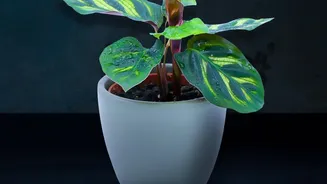
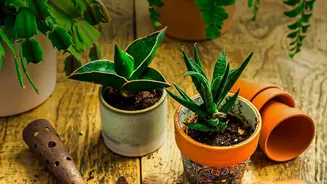
Many Indian apartments have corners that don't get blasted with sun. Don't see this as a limitation; see it as an opportunity for some of the hardiest and most elegant plants to shine. The Snake Plant (Sansevieria) is virtually indestructible, tolerating low light and infrequent watering. The ZZ Plant (Zamioculcas zamiifolia) is another hero of dim spaces, with glossy, dark leaves that look chic and require minimal attention. And of course, the classic Money Plant (Pothos) is a staple for a reason; its trailing vines are forgiving and adapt beautifully to lower light conditions. The Peace Lily is a wonderful choice if you want flowers, as it can produce its white blooms even in shadier spots.
For the Bright Spots: Plants That Love the Glow
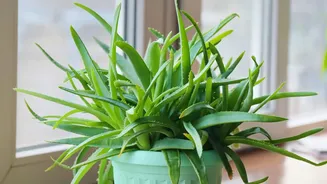
If you have a spot with bright but not direct sun, your options expand beautifully. This 'bright, indirect light' is the gold standard for many popular houseplants. The Rubber Plant (Ficus elastica), with its bold, glossy leaves, is a stunning choice that appreciates good light to maintain its deep colour. The Areca Palm brings a lush, tropical feel and acts as a natural air purifier, thriving in the bright, humid conditions common in many Indian homes. Even the coveted Fiddle Leaf Fig can do well, provided it gets consistent, bright light without the scorching afternoon sun hitting its leaves directly. For a sunny windowsill, practical plants like Aloe Vera are an excellent choice, as they love the brightness and heat.
Styling with Purpose and Practicality
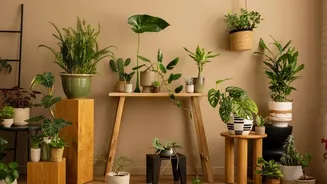
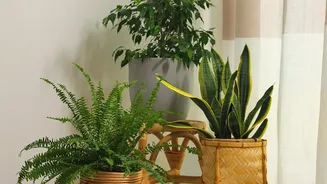
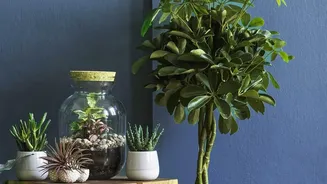
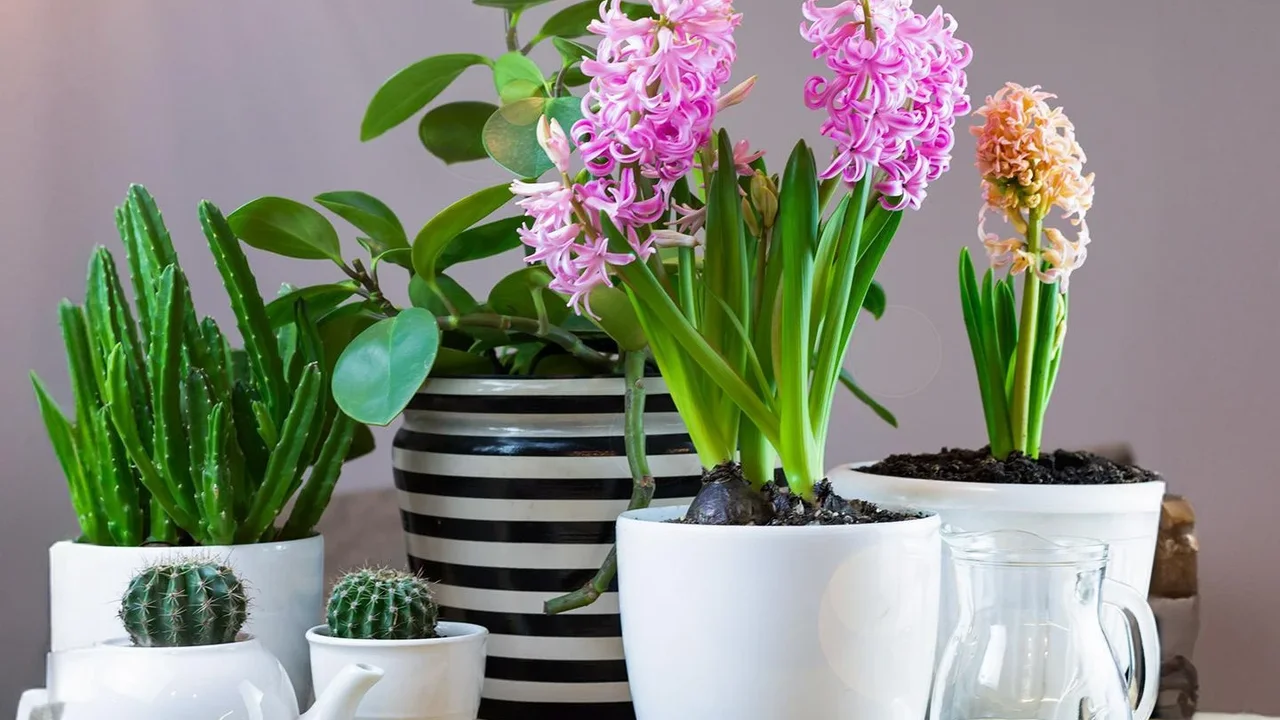
Once you've chosen the right plant for your light, the fun of styling begins. In small apartments, think vertically. Use hanging planters to draw the eye upward and free up floor space. Place trailing plants like Pothos on top of shelves or cabinets. Awkward, empty corners are the perfect home for a larger floor plant like a Snake Plant or ZZ Plant. Grouping is another powerful technique. Cluster three plants of varying heights and textures together to create a lush, curated vignette. This not only looks more impactful than single, scattered plants but also can help create a small pocket of humidity that the plants will enjoy. Remember, the goal is to enhance your space, not clutter it. A few healthy, well-placed plants will always look better than a dozen struggling ones.