



The Foundation: A Plate of Balance
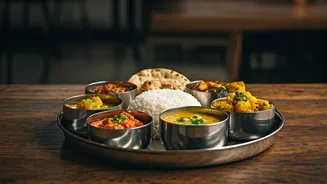
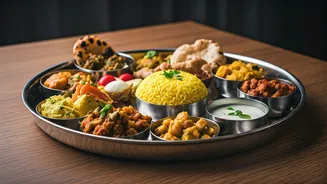
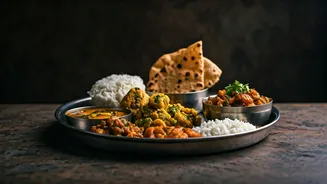
The concept of the thali is rooted in ancient Indian dietary principles, particularly Ayurveda, which advocates for a balance of six tastes (shad rasa): sweet, sour, salty, pungent, bitter, and astringent. This isn't just for a complex flavour profile;
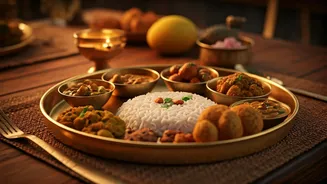
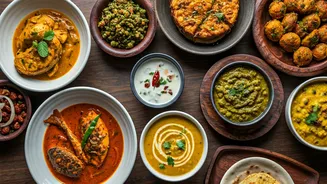
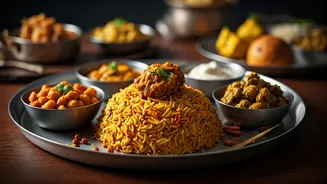
it's for holistic health and improved digestion. Typically served on a metal plate or, in South India, a banana leaf, a thali presents a complete, nutritionally balanced meal. It usually includes a staple grain like rice or roti, a protein from lentils (dal), seasonal vegetables, a cooling curd preparation (raita), a condiment like chutney or pickle, and a sweet dish. But from this basic template, each state creates a version that is entirely its own, a delicious narrative of its identity.
Rajasthan: A Story of Desert Resilience
The Rajasthani thali is a testament to the ingenuity of a people living in an arid landscape. With scarce water and few fresh green vegetables, the cuisine relies on ingredients with a long shelf life like lentils, beans, and millets such as bajra. The star of the thali is often Dal Baati Churma—baked wheat balls (baati) submerged in ghee, served with a spicy lentil curry (dal) and a sweet, crumbled wheat dessert (churma). Dishes like Gatte ki Sabzi (gram flour dumplings in a yoghurt-based curry) and Ker Sangri (a stir-fry of desert beans and berries) further showcase the creative use of non-perishable ingredients. The generous use of ghee and buttermilk is a response to the dry climate, providing necessary fats and hydration, telling a tale of adaptation and royal luxury.
Kerala: A Coastal Coconut Chronicle
Served traditionally on a banana leaf, the Kerala Sadhya is a vibrant reflection of the state's lush, coastal geography. It's a predominantly vegetarian feast, symbolizing prosperity and offered in celebration of the harvest festival, Onam. The feast honours the mythological King Mahabali's annual return to his kingdom. Coconut is the undisputed hero, appearing in nearly every dish—grated, ground into paste, or as milk and oil. This reflects its abundance in the region. Red rice is the staple, accompanied by a host of dishes like Sambar, Avial (mixed vegetables in a coconut-yoghurt gravy), and Thoran (a dry vegetable stir-fry with coconut). The structured serving of up to 26 dishes, from pickles on the left to sweet payasam at the end, makes the Sadhya a ritual in itself.
Gujarat: The Sweet and Savory Symphony
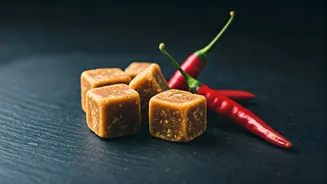
A Gujarati thali is a masterclass in balancing flavours, where sweet, sour, and spicy notes dance together. Largely vegetarian due to the significant influence of Jainism, the thali is famous for its hint of sweetness in savoury dishes. This use of sugar or jaggery is believed to help combat dehydration in the hot climate. A typical spread includes rotli (a thin flatbread), a shaak (vegetable curry), kathor (a dish made from pulses), and the distinctively sweet and tangy Gujarati dal. No Gujarati thali is complete without farsan—savoury snacks like dhokla or khandvi that add another layer of texture and taste to this elaborate culinary experience.
Bengal: A Riverine Food Journey
The Bengali thali tells the story of its riverine landscape, where freshwater fish and rice are staples. Unlike other thalis, a Bengali meal is often served in courses, moving from a bitter starter (like shukto) to dal, vegetable curries, fish, and finally, a sweet chutney and dessert. This progression is thought to represent the arc of life itself. Mustard oil is the primary cooking medium, lending its pungent, unique flavour to most dishes. A classic thali might feature Bhaat (rice), Begun Bhaja (fried brinjal), Dal, and a fish preparation like Macher Kalia (a spicy fish curry) or Ilish Bhapa (steamed Hilsa fish), showcasing the region's deep connection to its rivers and ponds.