

The Inner Stillness Of Yoga
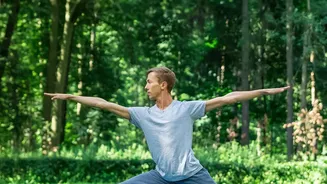
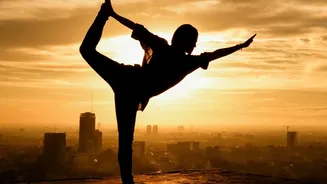
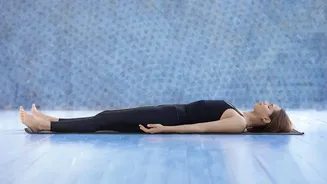
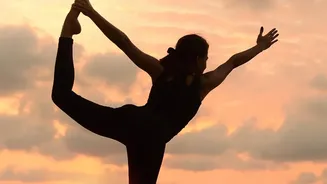
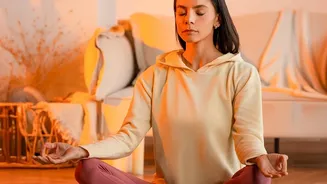
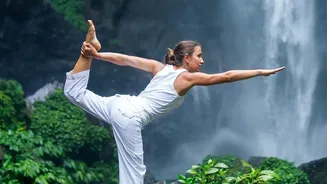
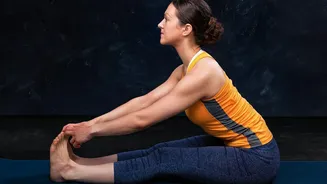
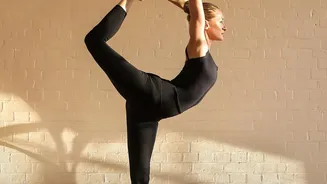
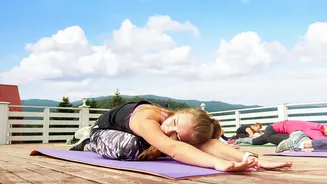
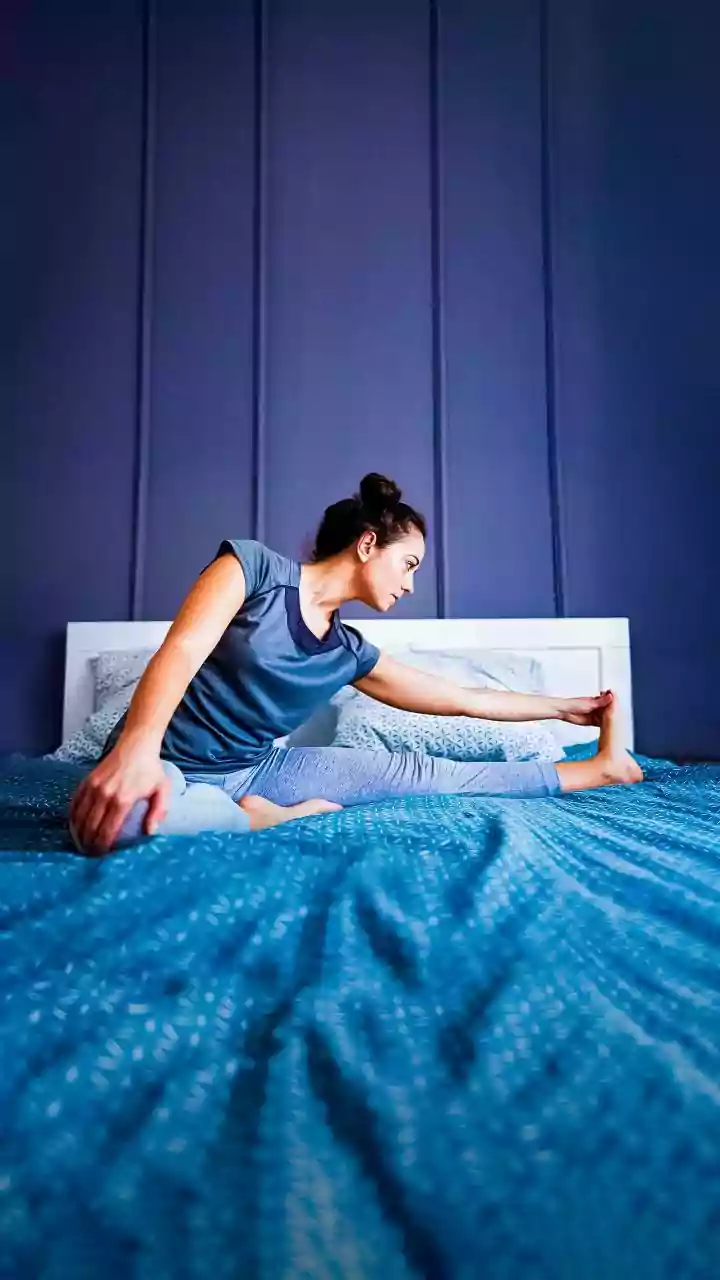
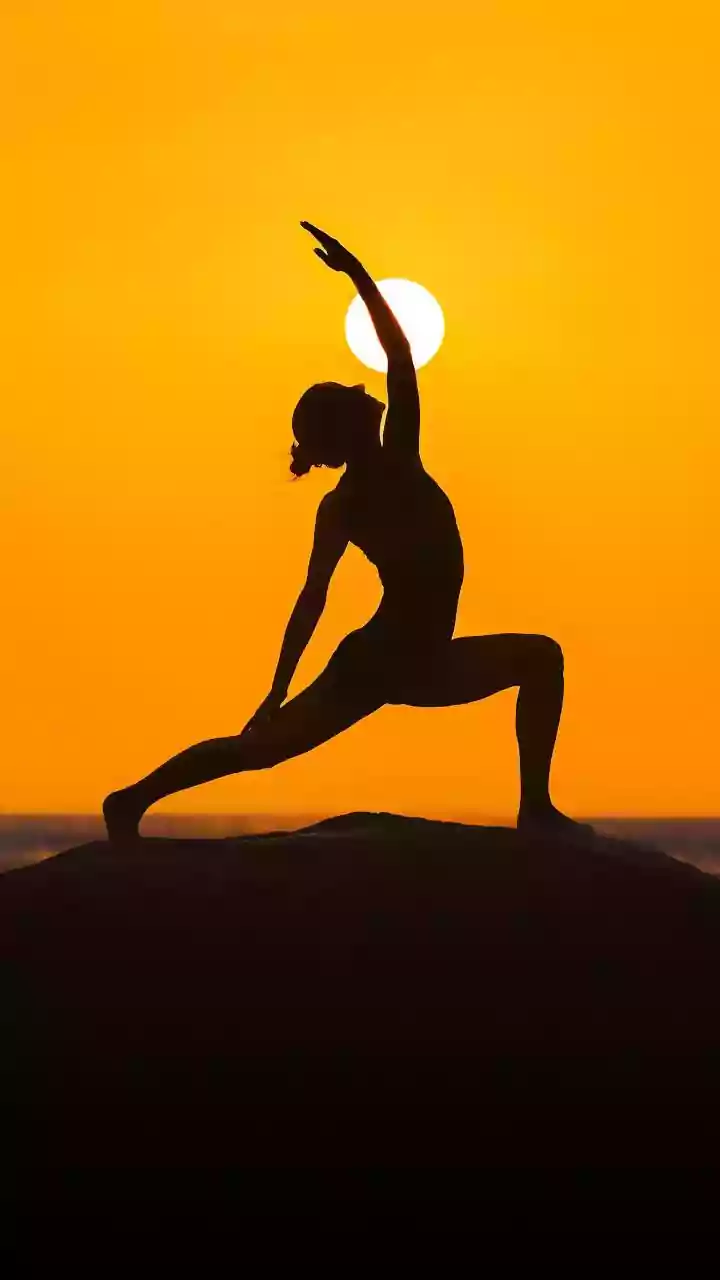
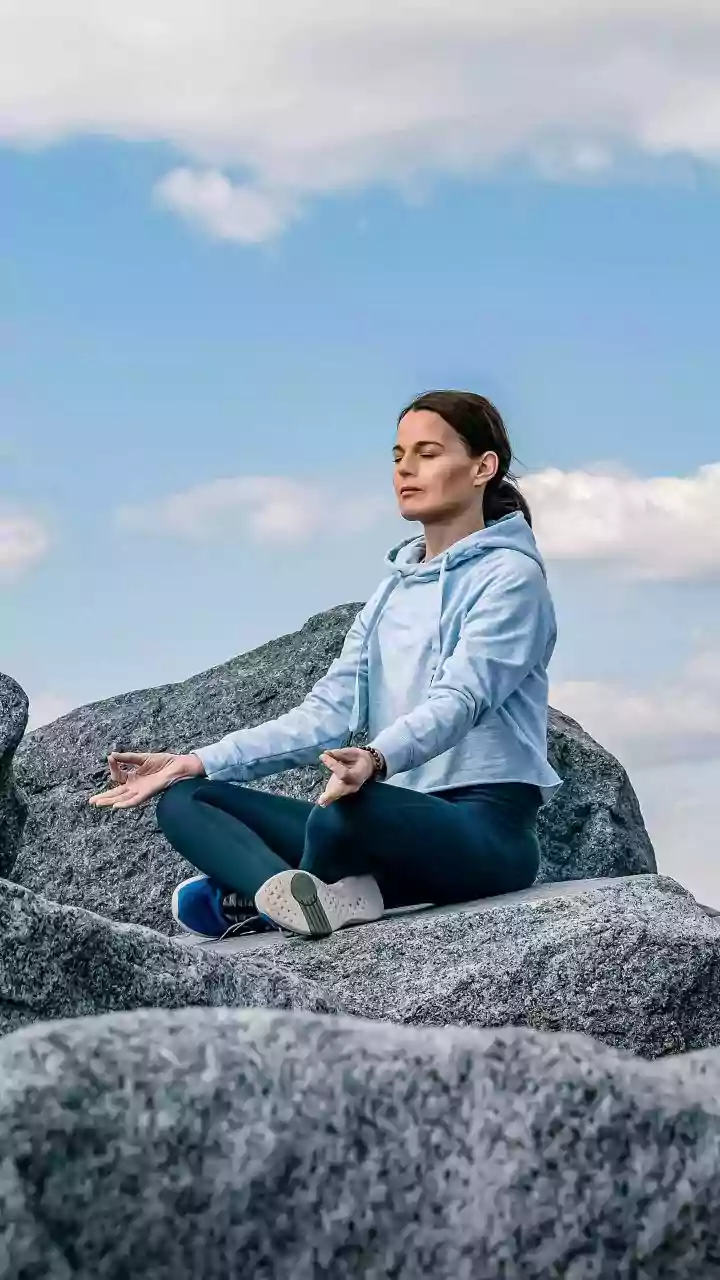
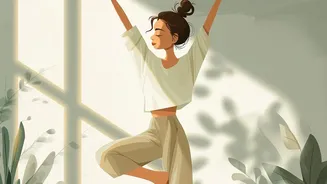
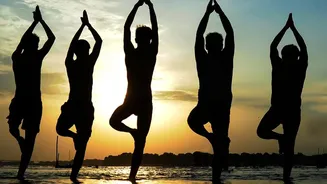
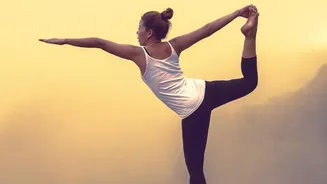
Yoga's approach to relaxation is primarily internal and introspective. The practice combines physical postures (asanas), controlled breathing (pranayama), and meditation to quiet the mind and calm the nervous system. The focus is on turning your awareness
inward, noticing sensations in the body, and synchronising breath with movement. This mindfulness encourages a state of presence, helping to alleviate anxiety about the past or future. Physiologically, studies show that a regular yoga practice can lower levels of cortisol, the body's primary stress hormone. By activating the parasympathetic nervous system—our 'rest and digest' mode—yoga actively counteracts the 'fight or flight' response, leading to a profound sense of calm and reduced physical tension. The relaxation from yoga is often described as a deep, quiet stillness that you cultivate from within.
The Expressive Release Of Formal Dance
Where yoga turns inward, formal or expressive dance—think contemporary, ballet, or even a high-energy Zumba class—turns outward. Relaxation here comes from release. It is a form of active relaxation that provides a powerful emotional and physical outlet. The combination of music and movement helps release endorphins, the brain's 'feel-good' chemicals, which act as natural mood elevators and stress reducers. Learning and executing choreography requires intense focus, creating a 'flow state' where daily worries fade into the background. This mental engagement is a form of escape, allowing you to process feelings through physical expression rather than words. The physical exertion improves cardiovascular health, tones muscles, and improves sleep patterns, all of which contribute to long-term stress management. The relaxation found in this type of dance is dynamic and cathartic—a way to dance your troubles away.
The Joyful Connection Of Social Dance
Social dancing, such as salsa, ballroom, or swing, introduces a third, crucial element to the relaxation equation: human connection. This form of dance is less about perfect technique and more about interaction, fun, and community. The primary benefit here is social and emotional. Moving in sync with a partner or a group fosters a sense of belonging and triggers the release of oxytocin, often called the 'love' or 'connection' hormone. This neurochemical reduces anxiety and creates feelings of trust and well-being. The combination of music, light physical activity, and social engagement is a potent cocktail for improving mood and lowering stress. It provides a playful, low-pressure environment to build confidence and overcome shyness. The relaxation from social dance is rooted in joy, shared experience, and the simple pleasure of connecting with others.
Which Path To Relaxation Is For You?
The 'best' practice for relaxation depends entirely on your needs and personality. If you seek quiet introspection and a way to calm a busy mind, the mindful stillness of yoga may be the most effective path. Its focus is on internal balance and stress reduction through conscious breathing and presence. If you feel pent-up energy or emotions and need a dynamic, expressive outlet, a formal dance class could be the perfect solution. It offers a cathartic release that combines physical fitness with artistic expression. Finally, if you feel isolated and seek relaxation through fun and community, the joyful connection of social dance is hard to beat. It offers mental health benefits by fostering social bonds and providing an enjoyable escape from daily pressures. Each modality engages the mind and body, but they cater to different aspects of our well-being: the spiritual, the emotional, and the social.