





Beyond the Poncho: The Investment Mindset
A flimsy poncho or a low-cost raincoat might seem like a bargain, but they often fail when you need them most, leading to discomfort and frequent replacements. [1] High-quality rain gear, on the other hand, is built for durability and long-term use. [6]
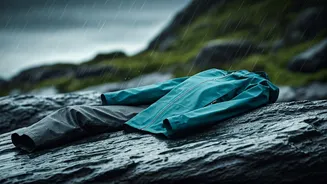
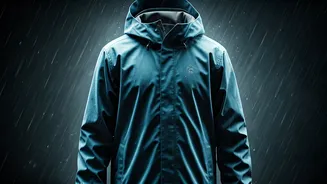
Thinking of it as an investment changes the equation: instead of repeat purchases of gear that quickly fails, one smart purchase provides reliable protection for years. [1, 6] Made with rugged materials and superior construction, a good waterproof jacket withstands harsh conditions, saves you money over time, and delivers peace of mind. [1, 2, 5]
Decoding the Tech: Waterproof vs. Breathable
The magic of modern rain gear lies in its fabric. The best options are both waterproof and breathable. [1, 5] Waterproofness, measured by a hydrostatic head (HH) rating in millimetres (mm), indicates how much water pressure a fabric can take before leaking. [14, 21] A rating of 5,000mm is fine for light showers, but for heavy, sustained rain, look for 10,000mm or higher. [17, 21] Breathability, measured in grams (g/m²/24h), is crucial for comfort. It allows sweat vapor to escape, so you don't feel clammy and wet from the inside during activity. [5, 19] Without it, you'd be dry from the rain but soaked in your own perspiration. [12]
Key Features of Quality Rainwear
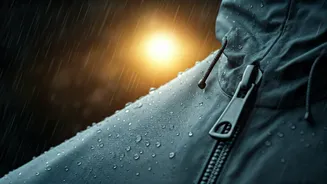
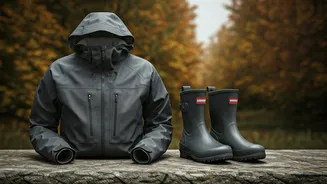
Beyond the fabric's technical ratings, specific features separate truly great rain jackets from the rest. First, look for fully taped or sealed seams. [8, 15] Stitching holes are a natural weak point where water can penetrate, but waterproof tape over the seams ensures a complete barrier. [15] Next, check the zippers. High-quality waterproof zippers or storm flaps (a protective flap over the zipper) are essential for preventing leaks. [8, 14] Finally, an adjustable hood with a brim is critical for keeping rain off your face and ensuring a snug fit that doesn't fall down in the wind. [8, 19]
Choosing the Right Layering System
Rain jackets come in several constructions, each suited to different needs. A 2-layer jacket is best for casual, everyday use in light rain, offering a soft feel. [5, 11] A 2.5-layer jacket is lighter and more packable, making it ideal for hiking or travel where space is a concern. [5, 17] For maximum durability and protection in the most demanding weather, a 3-layer jacket is the top choice. [5] These constructions bond a waterproof membrane to an outer fabric, and sometimes include a protective inner lining, to create a shell that keeps you dry without being bulky. [11, 18]
Protecting Your Investment: Care and Maintenance
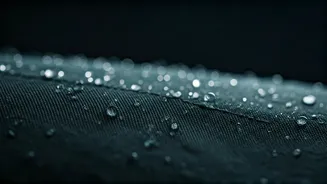
A quality rain jacket can last for years with proper care. [7] Over time, dirt and oils can clog the pores of a breathable membrane and wear down the Durable Water Repellent (DWR) finish that makes water bead up and roll off. [9, 11] Wash your jacket occasionally, but only with a specialized technical wash designed for waterproof garments; standard detergents can damage the fabric and its coating. [4, 7, 10] After washing, the DWR finish can often be reactivated with a short, low-heat tumble dry. [10] If water no longer beads off the surface, it's time to reapply a waterproofing treatment spray or wash-in product. [9, 10]