



The Allure of Crystal Waters
Meghalaya, the 'Abode of Clouds', is renowned for its breathtaking landscapes, living root bridges, and powerful monsoons. But in recent years, another of its natural wonders has captured the imagination of travellers: its pristine rivers. The Umngot,
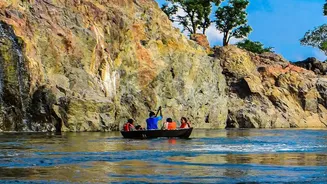
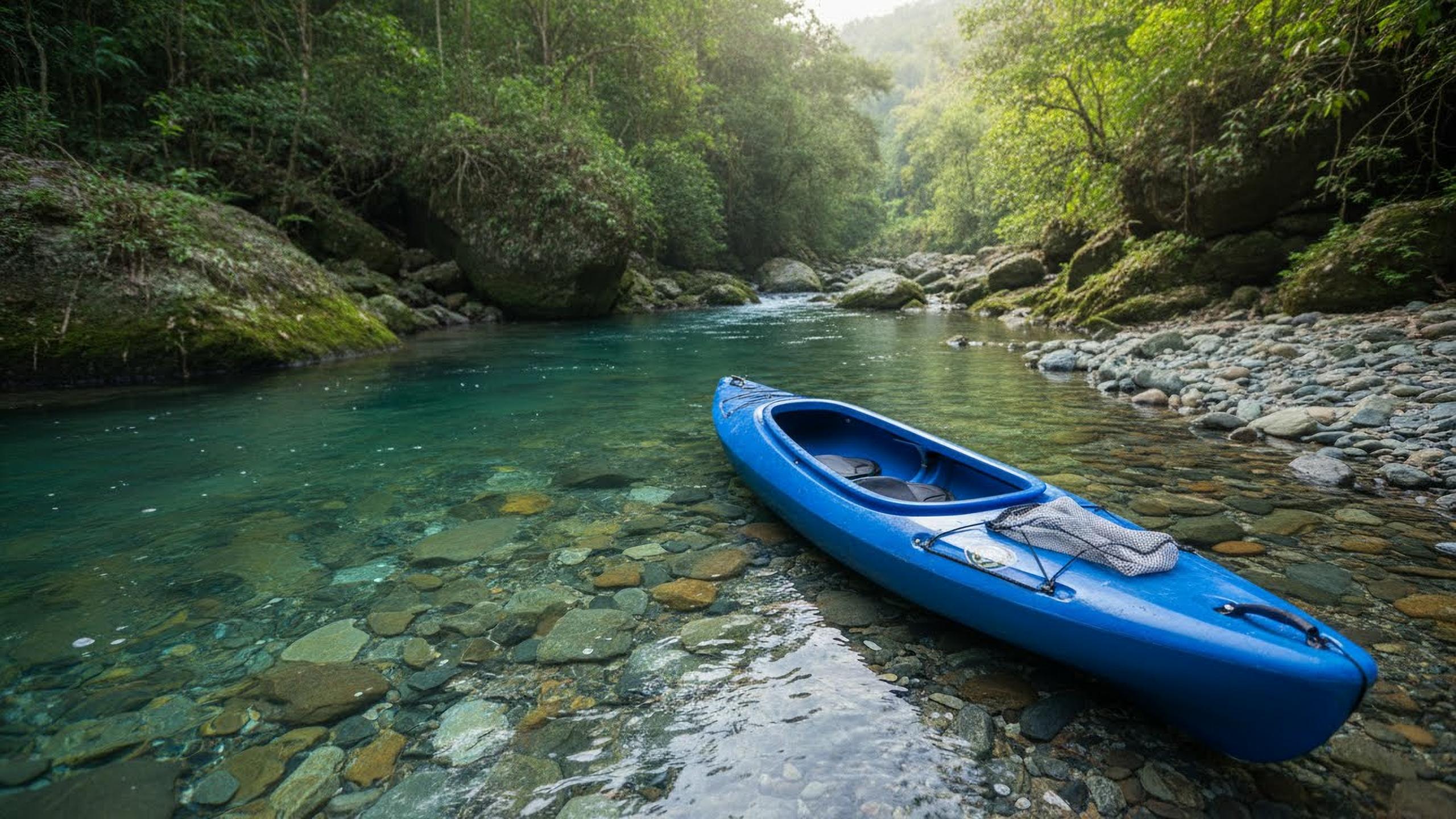
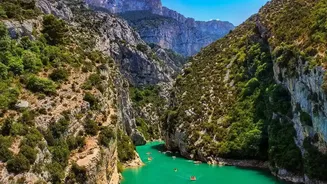
flowing through the villages of Shnongpdeng and Dawki, is the star attraction. Its water is so transparent that boats appear to be suspended in mid-air, a spectacle that has made it a social media sensation and a bucket-list destination. This clarity isn't an accident. It's the result of a delicate ecosystem and, increasingly, the dedicated efforts of local communities who recognise the river as their most precious asset. While some rivers in the state, particularly near urban centres like Shillong, battle severe pollution, the Umngot stands as a symbol of what can be preserved.
Paddles with a Purpose
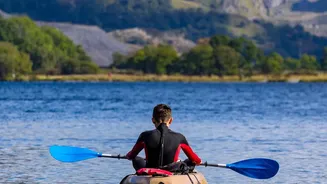
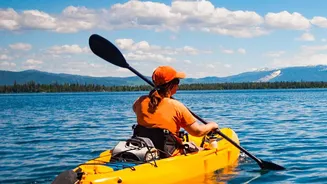
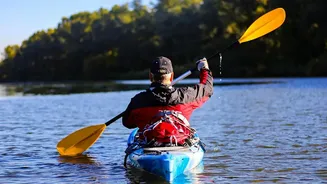
The rise of Meghalaya as an adventure hub has given birth to a new form of tourism where adrenaline and conservation go hand-in-hand. Kayaking, in particular, has become a key activity that connects tourists directly to the water. Tour operators and community-led cooperatives have seized this opportunity to build a sustainable model. Instead of just being a passive activity, kayaking outings are now part of a larger eco-conscious experience. These trips often involve more than just paddling; they foster a sense of responsibility. Adventure companies, many run by local Khasi and Jaintia people, weave conservation ethics into their tours. Tourists are not just consumers of beauty but active participants in its preservation. This approach is supported by state-level initiatives like the Meghalaya Adventure Tourism Scheme, which aims to promote the region as a premier eco-adventure destination while generating local livelihoods.
A Community-Powered Model
The secret to Meghalaya's success lies in its community-centric approach. In villages like Shnongpdeng and Mawlynnong, local cooperatives and village councils (Dorbar Shnong) are at the forefront of tourism management. They organise kayaking, camping, and trekking, ensuring that the economic benefits flow directly back into the community, funding everything from waste management to education. This creates a powerful incentive to protect the natural environment that attracts tourists in the first place. When a family's livelihood depends on the river being clean, they become its most staunch defenders. This model turns every local guide, homestay owner, and boatman into an environmental stakeholder. They enforce local rules, discourage littering, and often lead by example, conducting clean-up drives to maintain the area's pristine condition.
The Ripple Effect of Responsible Travel
This eco-conscious approach is having a broader impact. It demonstrates that economic development and environmental protection do not have to be mutually exclusive. By empowering local communities, Meghalaya is creating a resilient and sustainable tourism economy that is less vulnerable to the boom-and-bust cycles of mass tourism. The success of river-based adventure tourism has also inspired other grassroots environmental movements across the state. Initiatives like the 'Green Force Patharkhmah' in Ri-Bhoi district aim to transform spontaneous clean-up drives into structured, volunteer-led movements for sustained environmental action. These efforts show a growing awareness that the state's natural heritage is its future. While challenges from development and urban pollution remain a constant threat, the model being pioneered on rivers like the Umngot offers a hopeful blueprint for how adventure can fuel conservation.