



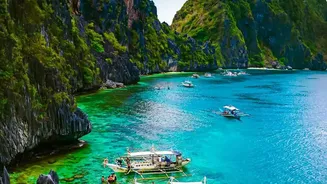
A Paradise Under Pressure
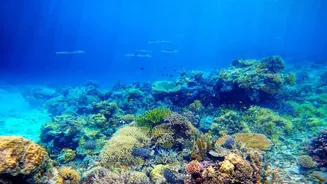
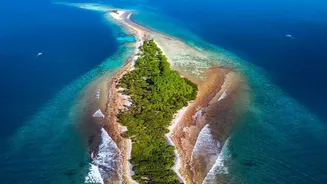
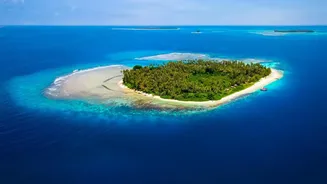
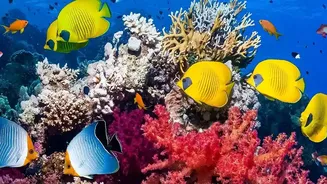
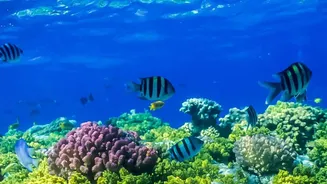
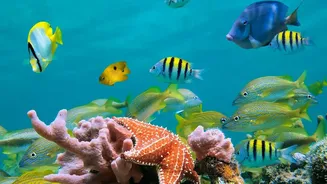
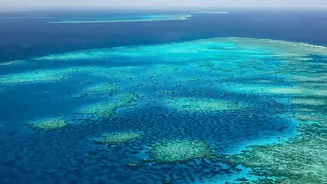
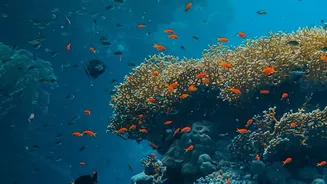
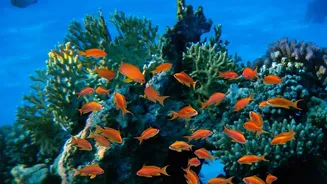
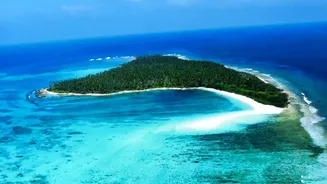
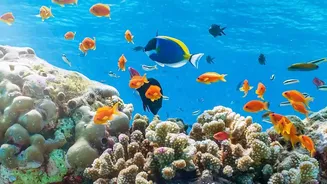
The Lakshadweep archipelago, a chain of 36 coral islands, is home to some of India's most spectacular marine biodiversity. These underwater rainforests support hundreds of species of fish, turtles, and over 100 species of coral. However, this delicate
ecosystem faces significant threats. Climate change has led to rising sea temperatures, causing severe coral bleaching events where the corals expel their life-sustaining algae and turn white. Furthermore, pollution from plastics, fishing, and tourism-related activities has added immense pressure. Recent studies have revealed widespread microplastic pollution in the waters and marine life, posing a serious risk to the entire food web. Recognizing these dangers, the local administration is taking proactive steps to ensure that tourism, while welcome, does not come at the cost of environmental ruin.
The New Rules for Responsible Travel
To visit this pristine union territory, all tourists must obtain an entry permit, a system designed to manage visitor numbers and prevent overcrowding. The administration has streamlined this process, but regulations remain in place to protect the islands. A key part of the new sustainable framework is a strict ban on single-use plastics across the islands. Visitors are advised to carry reusable water bottles and avoid bringing disposable plastic items. Waste management is a critical focus, with initiatives to ensure garbage does not end up in the lagoons or on the beaches. Furthermore, all tourism activities, from accommodation to water sports, are being guided by eco-friendly principles. Developments are carefully planned to minimize environmental impact, with an emphasis on solar power, rainwater harvesting, and community involvement.
A Deeper Dive into Diving Regulations
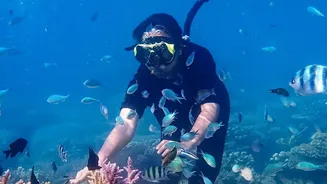
For the many visitors who come to witness the coral gardens firsthand, specific rules apply. Scuba diving and snorkeling are permitted only under strict guidelines to protect the fragile marine life. All diving activities must be conducted through licensed and trained operators who adhere to conservation protocols. These guides are trained to educate tourists on responsible practices. The core principle is simple: look, but do not touch. Making any contact with the coral is strictly forbidden, as even a gentle touch can damage the delicate polyps. Divers are instructed to maintain excellent buoyancy control to avoid accidentally kicking or disturbing the reef structure. Additionally, feeding fish or other marine animals is not allowed, as it disrupts their natural behaviour and the ecological balance. These measures ensure that the underwater experience remains magical without harming the very ecosystem that creates it.
Your Role as a Sustainable Tourist
Protecting Lakshadweep is a shared responsibility, and every visitor plays a crucial role. Beyond following the official rules, there are many ways to contribute positively. When booking your trip, choose eco-friendly resorts and tour operators that explicitly state their commitment to sustainability. While on the islands, be mindful of your resource consumption, from water to electricity. Support the local community by purchasing local handicrafts and sampling traditional cuisine, which helps ensure that the economic benefits of tourism reach the islanders directly. Participating in educational tours or supervised nature walks can also deepen your appreciation for the islands' unique culture and environment. By embracing this mindset, you transition from being just a tourist to becoming a custodian of this beautiful destination, ensuring its preservation for generations to come.