







Start with a Pre-Monsoon Check-Up
Confidence begins before you even turn the key. Your car needs to be as ready for the rains as you are. First, check your tyres. Good tread depth is non-negotiable for gripping wet roads; use a one-rupee coin to check—if the entire Ashoka lion head is visible,
your tyres are too worn. Ensure they are inflated to the recommended pressure. Next, inspect your wiper blades. If they are cracked, brittle, or leave streaks, replace them immediately. A clear view is your first line of defence. Finally, have a mechanic inspect your brakes. Wet conditions can reduce their effectiveness, so you want them in peak condition.
Master Wet Road Essentials
The golden rule of monsoon driving is to slow down. Your vehicle needs more time and distance to stop on wet surfaces. A speed that feels safe on a dry day can be dangerous in the rain. Maintain at least a five-to-six-second following distance from the vehicle ahead, giving you ample time to react to sudden stops. Avoid sudden acceleration, braking, or sharp turns, as these actions can easily cause you to lose traction. Smooth, gentle inputs with the steering wheel, accelerator, and brakes are key to maintaining control. Be especially cautious on freshly wet roads, as the mix of oil and rainwater creates an exceptionally slick surface.
Navigate Waterlogging Like a Pro
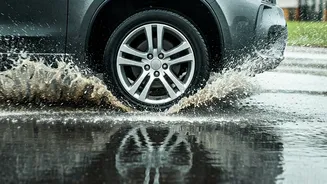
Encountering a waterlogged street is one of the biggest monsoon hazards. The primary rule is: if in doubt, don't drive through it. It's impossible to know the depth or what debris lies hidden beneath the surface. If you must proceed and the water seems shallow (no higher than the centre of your wheels), drive slowly and steadily in a low gear (first or second). This keeps the engine's RPM high, preventing water from entering the exhaust pipe. Don't stop in the middle. Once you're through, gently tap your brakes a few times to dry them out and ensure they are working correctly. Never attempt to drive through fast-moving water.
See and Be Seen
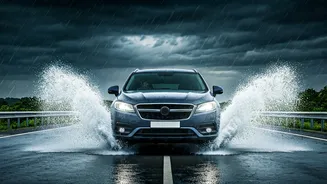
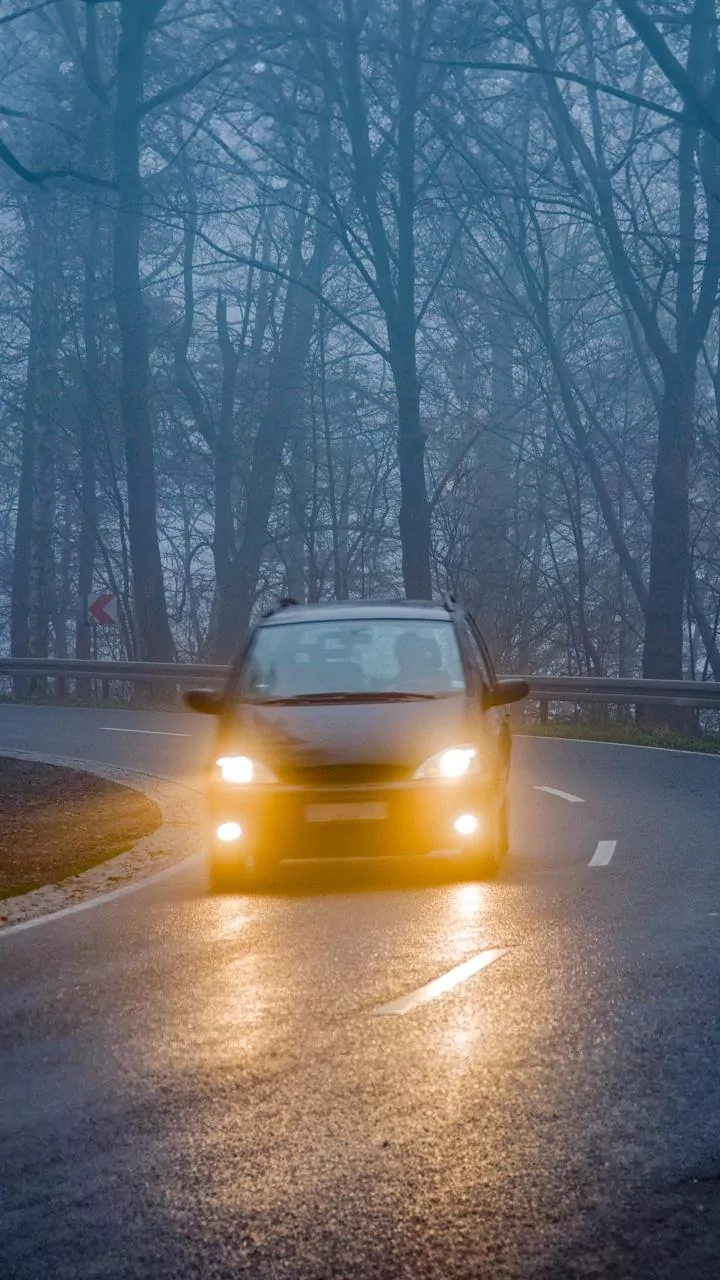
Visibility plummets during heavy downpours. Turn on your low-beam headlights even during the day. This isn't just about helping you see; it's about making your car visible to other drivers and pedestrians. Avoid using high beams, as they reflect off the raindrops and create glare, further reducing visibility for you and oncoming traffic. To prevent your windscreen from fogging up, use your car's air conditioning system. The AC acts as a dehumidifier, clearing condensation from the inside of the glass far more effectively than just the fan. Keep a clean, dry cloth handy to wipe away any stubborn fog.
Handling Skids and Hydroplaning
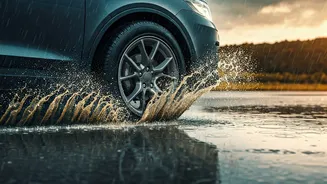
Hydroplaning occurs when your tyres lose contact with the road and skim on a layer of water. It can be terrifying, but the key is not to panic. If you feel the car start to hydroplane, do not slam on the brakes or make sharp steering corrections. Immediately take your foot off the accelerator. Gently steer in the direction you want the car to go. As the car slows, the tyres should regain contact with the road surface, and you will feel control return. The best way to deal with hydroplaning is to prevent it by slowing down, avoiding puddles, and ensuring your tyres are in good condition.
Pack a Monsoon Emergency Kit
Being prepared for the worst can give you the most confidence. Keep a small emergency kit in your car during the monsoon. Essential items include a tow rope, a powerful torch with extra batteries, a first-aid kit, a puncture repair kit, and a reflective safety triangle to warn other drivers if you break down. It's also wise to have a fully charged power bank for your phone, some dry snacks, and a bottle of water. Knowing you have these supplies on hand can turn a stressful situation into a manageable one.