




Luang Prabang, Laos: Waterfalls and Wonder
While many travelers visit Southeast Asia during its dry, dusty peak season, the UNESCO World Heritage city of Luang Prabang truly shines during the 'green season.' From June to October, the monsoon rains turn the surrounding countryside into a riot of emerald
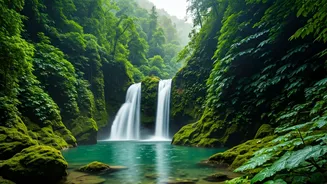
green. The main draw is the spectacular Kuang Si Falls, which can be a mere trickle in the dry months but becomes a thundering, multi-tiered cascade during the rains. The Tat Sae Falls, accessible only by boat, are also at their most impressive. The town itself takes on a languid, romantic quality. Spend your afternoons in a cozy riverside café watching the Mekong River flow, listen to the rhythmic drumming of rain on a temple roof, and enjoy the clean, cool air. With fewer tourists, you can experience the city’s famed morning alms-giving ceremony with a greater sense of peace and reverence.
Munnar, Kerala, India: Tea Gardens in the Clouds
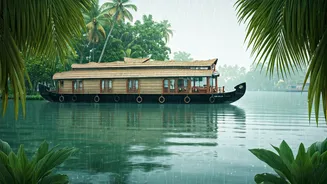
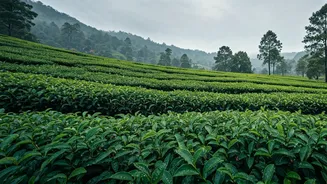
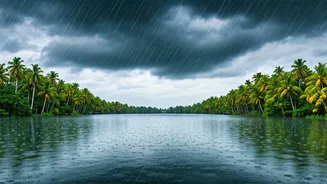
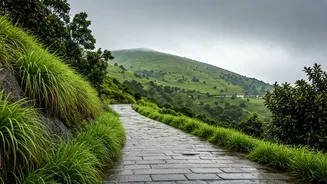
Often called 'God's Own Country,' Kerala in southern India is a monsoon classic for a reason. While the beaches are best avoided, the inland hill station of Munnar becomes otherworldly. Vast, rolling tea plantations are blanketed in a constant, ethereal mist, with clouds drifting through the valleys below. The rain washes the landscape clean, leaving behind a vibrant, saturated green that’s a feast for the eyes. It’s the perfect setting for cozying up with a book and a cup of fresh-brewed local tea. The monsoon is also the prime season for Ayurvedic treatments in Kerala, with the belief that the cool, moist air helps the body better absorb the therapeutic oils and herbs. It’s not a trip for constant activity, but an escape for rejuvenation, introspection, and witnessing nature at its most dramatic and beautiful.
Udaipur, Rajasthan, India: The Romantic City of Lakes
Rajasthan is famously India's desert state, so a monsoon trip might seem counterintuitive. But Udaipur, the 'City of Lakes,' is the exception that proves the rule. The entire city is built around a system of man-made lakes that often run low during the scorching summer. The arrival of the monsoon replenishes them, bringing the city back to life. The parched Aravalli Hills surrounding Udaipur turn a surprising shade of green, and the moody, grey skies create a stunning contrast with the gleaming white marble of palaces like the iconic Lake Palace and City Palace. Take a boat ride on a full Lake Pichola, enjoy the cooler temperatures, and see the city's fountains and gardens in their full glory. It feels less like a desert outpost and more like a Venetian dreamscape.
Da Lat, Vietnam: The City of Eternal Spring
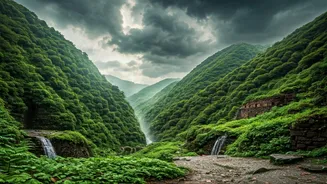
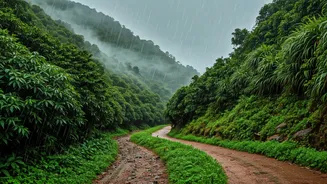
Nestled in the highlands of southern Vietnam, Da Lat has a temperate climate that earns it the nickname 'The City of Eternal Spring.' While the rest of the south experiences heavy downpours, Da Lat’s monsoon is milder, characterized by afternoon showers that leave the air crisp and clean. The rain amplifies the region's natural beauty, making its pine forests, flower gardens, and waterfalls even more vibrant. It was originally developed by the French as a mountain retreat to escape the heat, and its European-style villas look especially romantic shrouded in a bit of mist. Rent a scooter to explore the winding roads around Xuan Huong Lake, visit the dramatic Elephant Falls, and warm up with a cup of the region's excellent coffee in a quirky local café. It offers a completely different vision of Vietnam, far from the coastal heat and crowds.