
When the days grow shorter and a chill enters the air, many gardens can start to look bare. But winter doesn't have to be grey. With a little planning, you can have a balcony or garden that bursts with vibrant colour all season long.
Preparing for Winter Blooms
Success with winter
flowers begins with the right foundation. As the monsoon recedes and temperatures drop, typically from October onwards, it's time to prepare your pots and garden beds. Good drainage is crucial in cooler weather to prevent root rot. For pots, ensure drainage holes are clear and use a light, well-aerated potting mix. A combination of garden soil, compost, and cocopeat in equal parts is an excellent choice. Loosen the soil in garden beds and enrich it with organic compost to improve both nutrition and texture. This preparation gives your winter annuals the best possible start to establish strong roots before the cold sets in.
The Cheerful Faces of Pansies
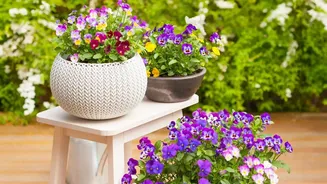
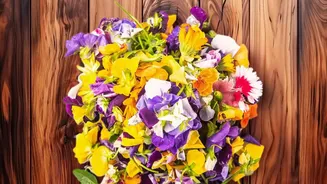
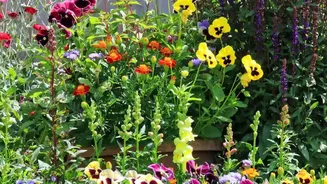
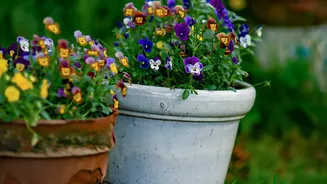
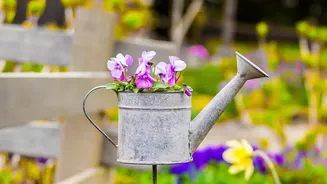
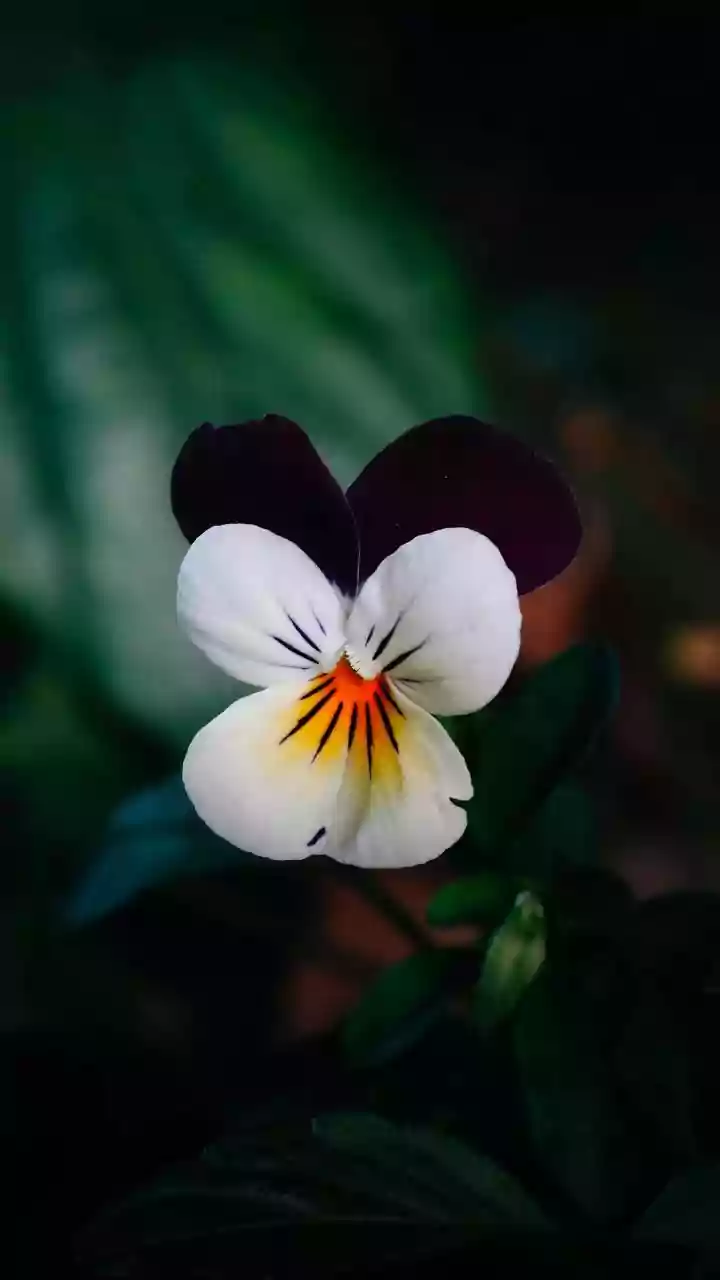
With their distinctive, face-like markings, pansies are a true winter favourite, bringing charm to any space. They thrive in the cool weather of Indian winters, especially in the northern plains, and are perfect for pots, window boxes, and borders. The ideal time to sow seeds or plant nursery saplings is from late September to November, once night temperatures begin to cool. Pansies need at least four to six hours of sunlight to produce abundant flowers, so an east or south-facing spot is ideal. The soil should be kept consistently moist but never waterlogged; watering every 2-3 days is usually sufficient for pots. To encourage a continuous display of their velvety blooms, which come in shades of purple, yellow, blue, and white, remember to remove faded flowers regularly.
Fragrant and Delicate Sweet Alyssum
Sweet alyssum, also known as 'Carpet of Snow', produces masses of tiny, fragrant flowers that create a beautiful, sprawling effect. Its sweet, honey-like scent is a welcome bonus, attracting pollinators to your garden. This hardy annual is low-maintenance and grows best in the cool, dry weather of the Indian winter season, planted as the monsoon ends. It is not demanding about soil but requires a well-draining mix to prevent fungal issues. While it loves full sun, it can tolerate partial shade. Sweet alyssum is an excellent choice for ground cover, bed edges, and spilling out of hanging baskets. If the plant starts to look leggy, you can shear it back lightly to encourage a fresh, dense flush of flowers.
The Prolific Blooms of Petunias
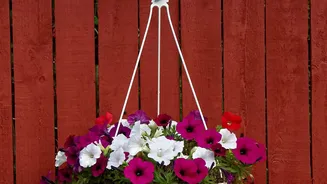
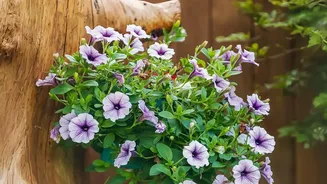
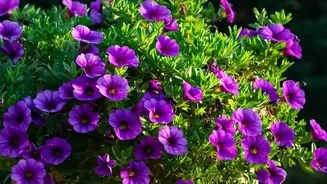
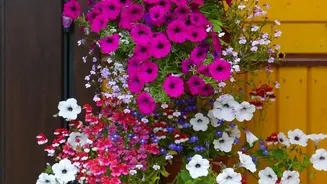
For a sheer explosion of colour, few plants can rival the petunia. Available in a dazzling array of pinks, purples, reds, and whites, they are perfect for hanging baskets, containers, and garden beds. In most of India, petunias are grown as winter annuals, thriving in the mild days and cool nights from December through March. The best time to sow seeds or plant saplings is between late September and November. Petunias are sun-lovers and require at least five to six hours of direct sunlight for prolific blooming; shady spots will result in fewer flowers. Water them when the top layer of soil feels dry, and feed them with a balanced liquid fertiliser every few weeks to support their generous flowering habit. Regularly pinching off spent blooms is the secret to keeping your petunias bushy and flowering for months.
General Care for a Vibrant Winter
Caring for your winter garden is straightforward. The most common mistake is overwatering. Always check the soil before you water; poke a finger an inch or two deep, and if it feels damp, wait another day. Water in the morning so that leaves have time to dry, reducing the risk of fungal diseases. While flowering annuals need feeding, avoid high-nitrogen fertilisers which encourage leafy growth at the expense of flowers. Instead, use a balanced organic feed or vermicompost every few weeks. Grouping pots together can also help them stay warmer during colder nights. With these simple steps, your garden can remain a source of joy and colour throughout the winter.