






The Persistent Problem Degrading Solar Power
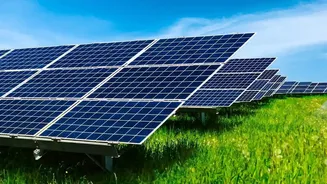
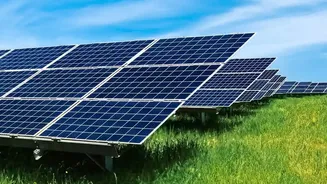
Solar panels are the workhorses of the green energy revolution, but they have an Achilles' heel: degradation. From the moment they are installed, solar panels begin a slow, irreversible decline in performance. This process is caused by a combination of factors,
including extreme temperature fluctuations, humidity, and, most significantly, constant exposure to ultraviolet (UV) radiation from the sun. Over years of bombardment, UV rays break down the protective backsheets and encapsulating materials that shield the delicate photovoltaic cells. This leads to discoloration, microcracks, and reduced light absorption, chipping away at the panel's ability to generate electricity. While high-quality panels are designed to last for 25 to 30 years, this gradual loss of efficiency is a built-in cost for every solar project, with degradation rates typically ranging from 0.5% to 1% annually. Slowing this decline is a major goal for the industry, as it directly translates to more power generated and a better return on investment over the life of a project.
Nature's Ultimate Sunscreen
Enter melanin, the pigment that gives color to skin, hair, and eyes in the animal kingdom. Its primary role is to provide protection from the damaging effects of UV radiation. It does this by absorbing UV photons and safely converting the harmful energy into harmless heat before it can damage cells or DNA. One of the most concentrated natural sources of melanin is found in the ink of cephalopods like squid and cuttlefish. Researchers have long been fascinated by melanin's properties. It is a remarkable biopolymer that not only absorbs a broad spectrum of light but also resists high temperatures and can even conduct electricity, making it a semiconductor. These qualities have made it a subject of research for various applications, from cosmetics and sunscreens to advanced bioelectronics. Now, its incredible ability to provide photoprotection is being harnessed for the energy sector.
From Squid to Lab: The Bio-Synthetic Advantage
While extracting melanin from natural squid ink is possible, it's not practical for large-scale industrial applications. The solution lies in creating a bio-synthetic version in a lab. This process allows scientists to produce a pure, consistent, and highly effective form of melanin that can be engineered for specific purposes. Synthetic melanin mimics the structure and function of its natural counterpart but can be produced in large quantities without relying on harvesting animals. It also offers the ability to fine-tune its properties. For example, research has shown that the conductivity and other characteristics of synthetic melanin can be adjusted, making it a versatile material for different technological needs. This lab-grown approach provides a stable and scalable supply chain, which is essential for any material intended for widespread use in a global industry like solar energy.
How Melanin Shields Solar Panels
The idea is to apply a thin layer or coating of this bio-synthetic melanin to solar panels. This protective layer acts much like sunscreen on skin. It absorbs the high-energy UV radiation before it can penetrate the panel and degrade the sensitive semiconductor materials and protective encapsulants within. By converting this damaging radiation into heat, the melanin shield prevents the slow-burn damage that causes panels to lose efficiency over time. Beyond just UV shielding, melanin also has excellent thermal stability, meaning it can withstand the extreme temperature cycles that outdoor solar installations face, from freezing nights to scorching hot days. Some studies suggest that melanin can even help with thermal management by dissipating heat, which could further improve a panel’s performance, since solar cells work less efficiently when they get too hot. Research has shown that integrating melanin can enhance the lifespan and maintain the energy conversion efficiency of photovoltaic cells.
The Future: From Lab to Solar Farm
The technology is still in the advanced research and development phase, but the potential is enormous. Scientists are experimenting with different ways to incorporate melanin, from thin-film coatings to integrating it directly into the panel's encapsulation layers. Mexican researchers have already demonstrated that combining natural melanin with porous silicon can boost the photocurrent generated by solar cells. The ultimate goal is to create a product that can be seamlessly added to the existing solar panel manufacturing process. If successful, this bio-inspired innovation could significantly extend the effective lifespan of solar panels, reduce the rate of degradation, and make solar energy an even more efficient and cost-effective power source. It could also have applications in other fields that require protection from radiation, such as aerospace, where materials need to withstand the harsh conditions of space.