




A Hug in a Mug
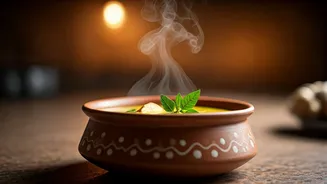
Before it became a trendy wellness drink, kadha was simply a household staple. For generations, this traditional Indian decoction has been a grandmother’s go-to remedy for everything from a ticklish throat to the winter blues. At its core, kadha is a simple,
potent brew made by boiling a specific blend of herbs and spices in water until their essence is extracted. It’s not a tea, nor is it a soup; it occupies a unique space as a warm, healing elixir deeply woven into the fabric of Indian home wellness practices. Each family has its own secret recipe, passed down through generations, making every cup a taste of tradition and care.
Why Rain Means Kadha Time
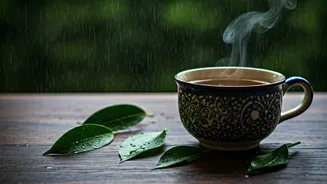
The connection between the monsoon and kadha is almost instinctual. As grey clouds gather and the temperature dips, our bodies crave warmth and comfort. The rainy season, while beautiful, is notorious for bringing a spike in seasonal illnesses like colds, coughs, and viral fevers. The damp, humid weather creates a breeding ground for germs, and our immunity often takes a hit. This is where kadha steps in. It’s not just about the psychological comfort of a hot drink on a cold, rainy day. Traditional wisdom, now increasingly supported by modern nutritional science, suggests that the specific ingredients used in kadha are packed with properties that can help support the body’s natural defense systems, soothe sore throats, and clear congestion, making it the perfect companion for the monsoon.
The Immunity-Boosting All-Stars
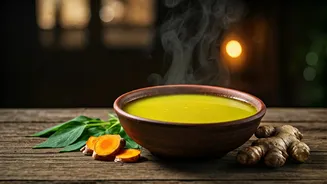
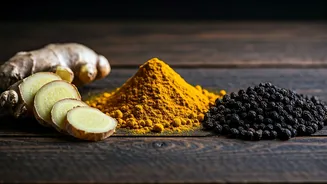
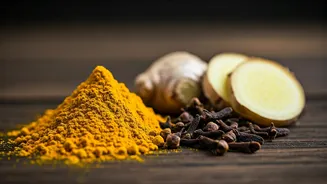
The magic of kadha lies in its synergistic blend of ingredients. While recipes vary, a few key players form the backbone of most brews: - **Tulsi (Holy Basil):** Revered as the “Queen of Herbs,” Tulsi is rich in antioxidants and is traditionally believed to have antimicrobial and anti-inflammatory properties, making it a powerful tool for fighting off respiratory ailments. - **Adrak (Ginger):** This pungent root is a superstar for a reason. Its active compound, gingerol, is known for its potent anti-inflammatory and antioxidant effects. It’s excellent for soothing a sore throat and relieving nausea. - **Haldi (Turmeric):** The golden spice contains curcumin, a compound celebrated for its powerful anti-inflammatory and immune-boosting capabilities. A pinch of turmeric can elevate your kadha’s wellness quotient significantly. - **Kali Mirch (Black Pepper):** More than just a seasoning, black pepper contains piperine, which not only has its own antioxidant properties but also dramatically enhances the absorption of curcumin from turmeric. - **Laung (Cloves):** These tiny flower buds are packed with antioxidants and have been used for centuries to relieve throat pain and coughs due to their antiseptic properties.
Crafting Your Perfect Cup
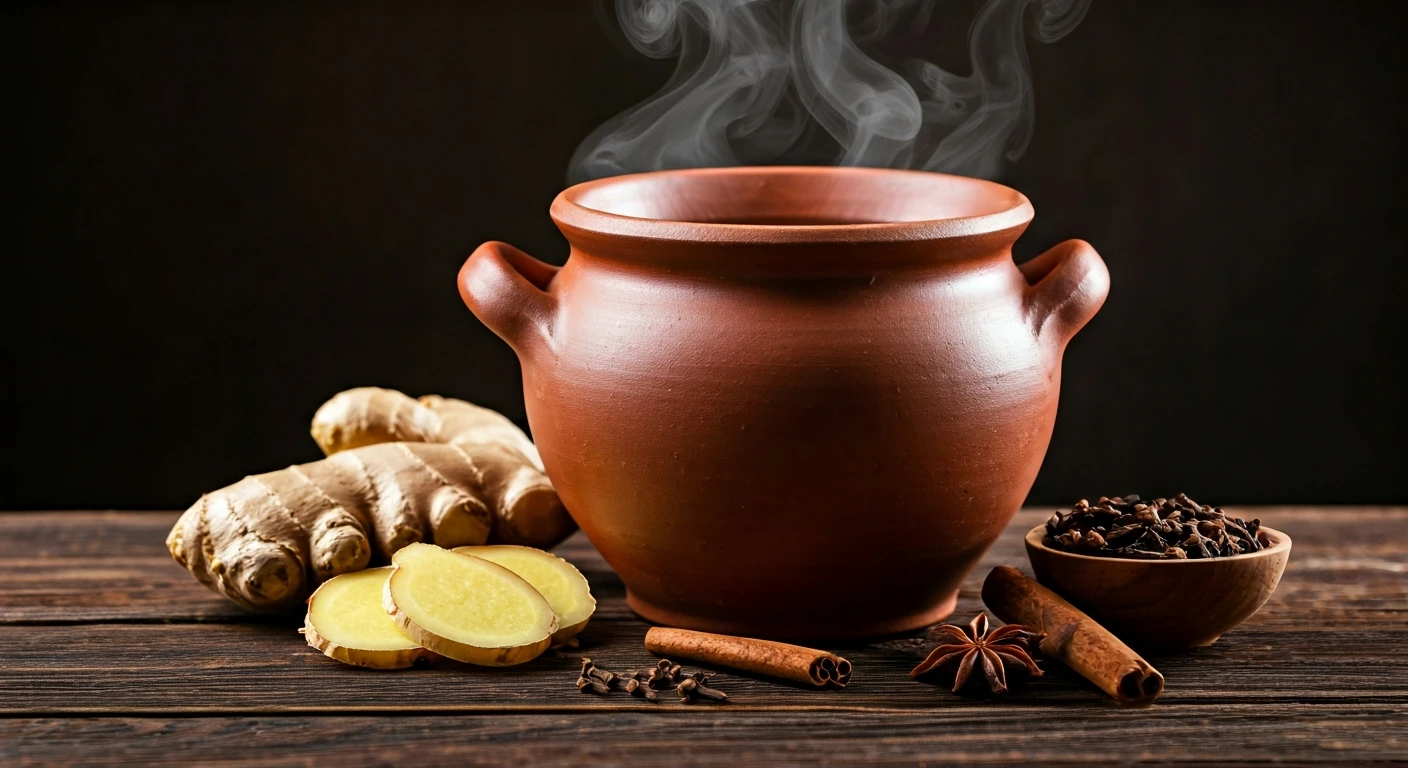
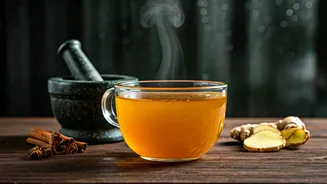
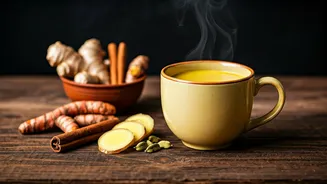
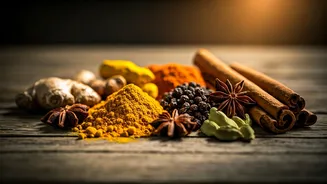
Making kadha at home is surprisingly simple and allows for endless customisation. Here’s a basic recipe to get you started: 1. **Start with a base:** Bring two cups of water to a boil in a small saucepan. 2. **Add the core ingredients:** Crush a 1-inch piece of ginger and 4-5 black peppercorns. Add them to the water along with 4-5 Tulsi leaves and a pinch of turmeric powder. 3. **Introduce other spices:** You can also add 2-3 cloves and a small stick of cinnamon for extra flavour and benefits. 4. **Simmer and reduce:** Let the mixture simmer on low heat for 10-15 minutes, until the water reduces to about half. This process ensures all the beneficial compounds are extracted into the water. 5. **Strain and serve:** Strain the liquid into a cup. You can add a teaspoon of honey or a small piece of jaggery to sweeten it and further soothe your throat. Drink it while it’s warm.
Beyond Tradition: The Modern Kadha
The current kadha revival is also seeing a modern twist. For those short on time, the market is now filled with convenient kadha powders, tablets, and tea bags that promise the same benefits without the prep work. Cafes are adding artisanal kadha blends to their menus, infusing them with ingredients like lemongrass or star anise. While these modern versions offer convenience, the ritual of slowly brewing a fresh pot at home, with the kitchen filling with the aromatic steam of spices, remains an unparalleled experience of wellness and nostalgia. It’s a simple act of self-care, connecting us to the wisdom of the past while navigating the challenges of the present.