


The Great Unlearning of Instant Coffee
For many young, urban Indians, coffee is no longer just a quick morning jolt; it has evolved into a ritual and a statement. The once-dominant instant coffee, prized for its speed and ease, is seeing its cultural monopoly challenged. While it remains a household
staple, a growing cohort of Millennials and Gen Z consumers are looking for more. This demographic, which makes up nearly 65% of specialty coffee consumers, is driven by curiosity, rising disposable incomes, and a desire for authentic experiences. They are moving away from the one-dimensional bitterness of processed powders towards beverages with a story, a specific origin, and a complex flavour profile. This shift reflects a broader trend toward mindful consumption and an appreciation for craftsmanship over mass production.
What Makes Coffee 'Specialty'?
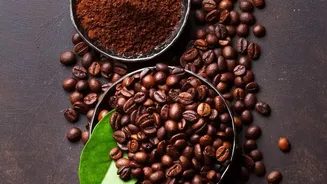
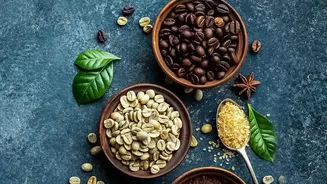
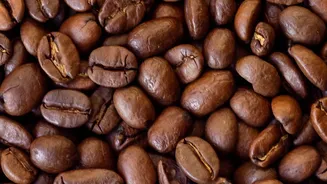
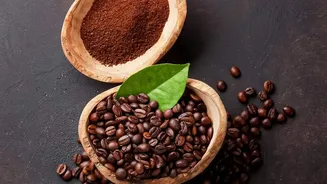
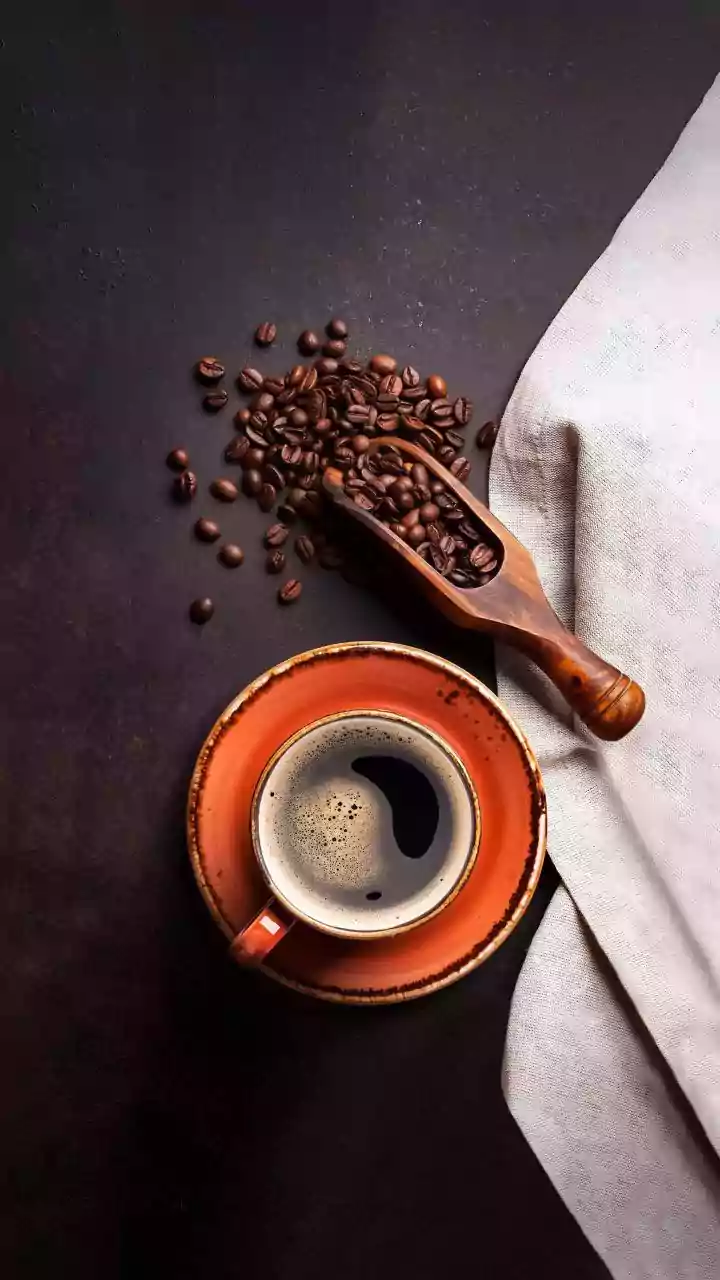
The term 'specialty coffee' isn't just marketing jargon; it signifies a focus on quality at every step, from the farm to the cup. Unlike commodity coffee, specialty beans are high-grade, often single-origin Arabica, meaning they come from a specific farm or region. This allows drinkers to taste the unique characteristics of the 'terroir'—the soil, climate, and altitude where the coffee was grown, much like in wine. Roasters then develop precise profiles to highlight these inherent flavours. Consumers are increasingly interested in the story behind their brew: the varietal of the bean, the processing method used, and the ethical sourcing practices of the roaster. Labels like 'Fairtrade' and 'Rainforest Alliance' are becoming important factors in their purchasing decisions.
The Southern Terroir Comes of Age
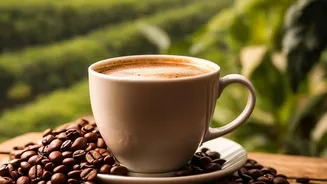
While India has been a major coffee producer for centuries, much of its high-quality crop was historically destined for export. Now, that is changing. The heart of this coffee revolution beats strongest in South India, where the country's main coffee-growing regions like Chikmagalur, Coorg in Karnataka, and the Araku Valley have been cultivating beans for generations. These regions, fed by rivers like the Kaveri, are known for producing beans that are smooth and have low acidity. Local roasters are now championing these homegrown beans, creating blends and single-origin offerings that celebrate the unique, often spicy and fruity notes of Indian coffee. This embrace of local produce is a source of regional pride and a direct challenge to the dominance of international coffee giants.
More Than a Drink, It's a Vibe
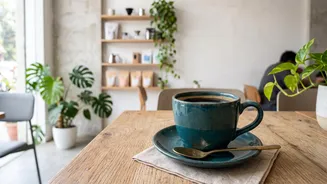
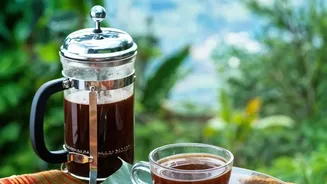
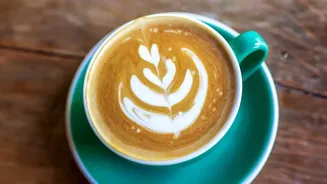
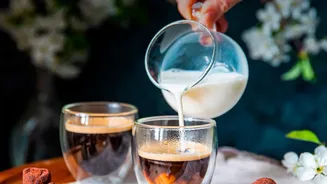
The specialty coffee movement is about more than just what's in the cup; it's about the entire culture surrounding it. Cafes have become 'third places'—vibrant hubs for work, socialising, and community building, especially in the post-pandemic era of remote work. For many, coffee has become a form of self-expression. This is visible in the booming interest in home brewing, with enthusiasts investing in equipment like pour-over kits, AeroPresses, and French presses to experiment at home. The visual appeal of a carefully brewed coffee is highly shareable on social media, further fuelling the trend and drawing in curious newcomers who want to participate in this modern ritual. It's an affordable luxury that allows young consumers to signal their discerning taste and connect with a like-minded community.
The Roasters Leading the Charge
This revolution wouldn't be possible without a wave of Indian entrepreneurs who saw the potential in their country's coffee. Brands like Blue Tokai, Third Wave Coffee, and a host of smaller, artisanal roasters have been pivotal in making high-quality, freshly roasted beans accessible to the masses. They started by educating consumers, introducing them to concepts like single-origin beans and different brewing methods. With slick online stores, subscription services, and a rapidly growing network of aesthetically pleasing cafes in major cities and even Tier-2 towns, these brands have built a thriving ecosystem. They have successfully turned the spotlight inward, proving that a world-class cup of coffee can be grown, roasted, and enjoyed right here in India.