


A Return to Mindful Celebrations
Navratri, the nine-night festival dedicated to the nine forms of Goddess Durga, is a time of spiritual renewal, dance, and community. For 2026, with Sharad Navratri falling from October 11th to 19th, there's a growing movement towards celebrations that
are not just joyous but also mindful. Families are increasingly looking beyond mass-produced goods, finding deeper meaning in handmade decorations and food that tells a story. The trend is clear: a return to authenticity, sustainability, and celebrating the rich diversity of Indian traditions. This year, the festive spirit is being expressed through conscious choices that honour both the divine feminine and Mother Earth.
Decorating the Home with Intention
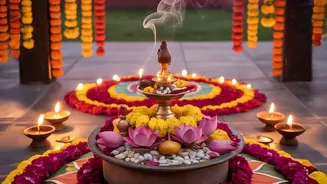
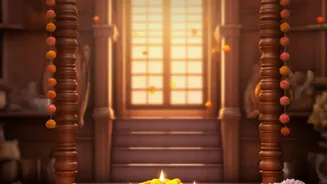
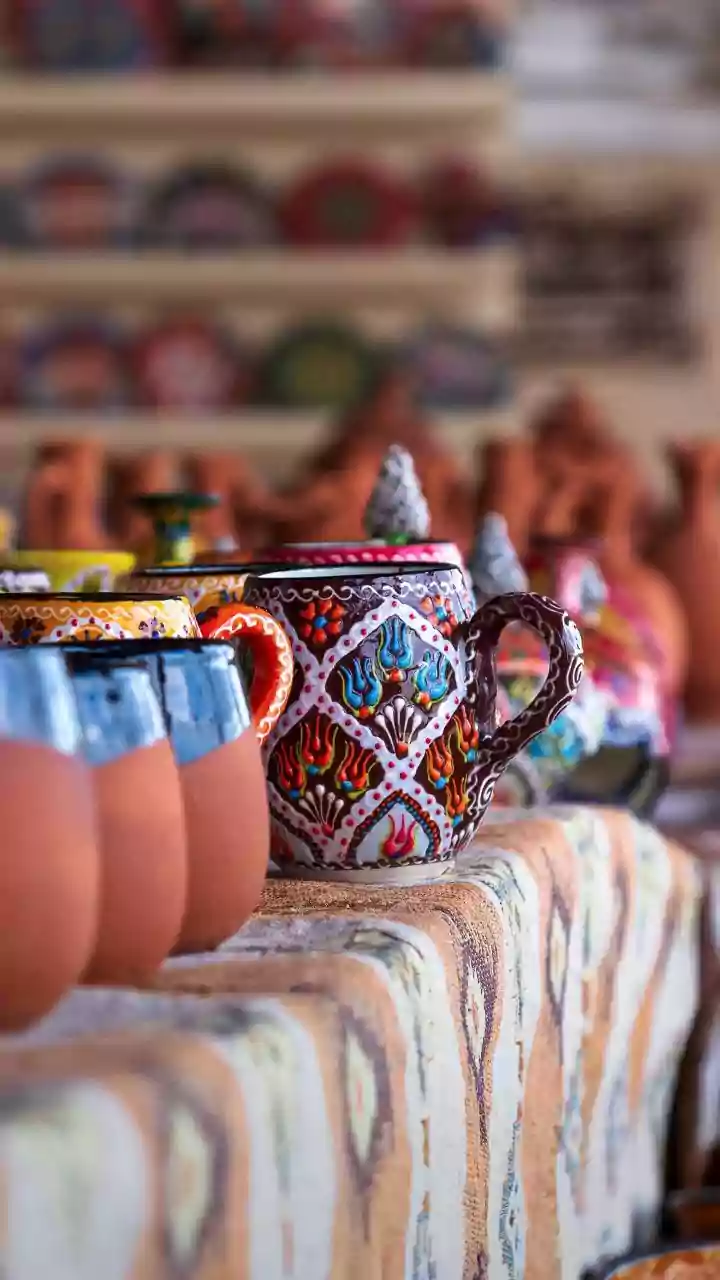
This Navratri, home decor is all about creating a warm, inviting, and sacred atmosphere. The focus is shifting away from temporary plastic and thermocol decorations towards sustainable and reusable items. Think natural materials like clay, jute, and bamboo. Hand-painted clay diyas, traditional torans made from upcycled fabric like old dupattas or sarees, and fresh flowers are central to this year's aesthetic. The idea is to decorate with pieces that have a soul and a story, creating a space that feels both festive and deeply personal. Even small apartments can capture this spirit by focusing on key areas like the entrance and a dedicated puja corner.
The 2026 Colour Palette: Bold, Warm, and Traditional
While each day of Navratri has its own associated colour that many follow for their attire, the overall decor palette for 2026 is leaning into warm, earthy, and bold tones. Sunset orange, deep red, and saffron yellow are taking precedence, often accented with gold for a touch of opulence. These colours evoke a celebratory energy. Instead of scattering many colours, the trend is to use a primary bold colour as a statement, balanced with neutral bases like cream or white. This can be achieved through colourful cushion covers, handloom throws, or a statement floral arrangement featuring marigolds, which remain a perennial favourite.
Handcrafted Textiles Take Centre Stage
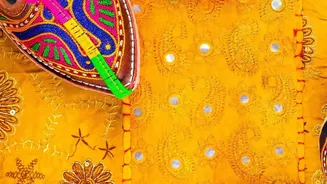
Indian handloom and textile traditions are playing a huge role in Navratri decor this year. Fabrics like cotton, silk, and jute are being used to add texture and richness. Techniques like block printing, bandhani, and Kalamkari are no longer just for clothing; they are appearing in table runners, wall hangings, and cushion covers, bringing artisanal charm into homes. You can easily incorporate this trend by using a colourful silk saree as a backdrop for your mandir or draping vibrant dupattas to create a festive canopy. These textiles are not just decorative but are a nod to India's deep-rooted craftsmanship.
The Navratri Feast: A Taste of the Regions
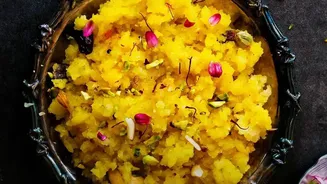
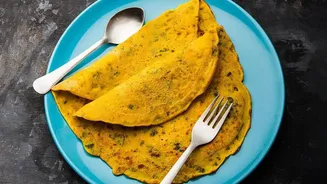
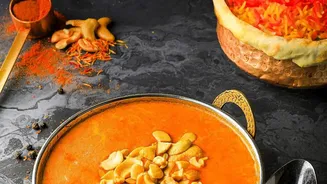
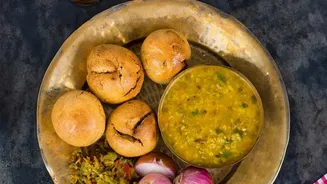
The culinary landscape of Navratri is becoming wonderfully diverse. While classic fasting staples like Sabudana Khichdi, Kuttu ki Puri, and Samak Rice Pulao remain beloved, there's a growing appetite for exploring regional Navratri cuisines. The festival is an opportunity to go on a culinary tour of India from your own dining table. It’s about celebrating the specific foods that different communities prepare during these nine nights, moving beyond a one-size-fits-all 'vrat ka khana'. Many households are rotating different grains like kuttu, singhara, and samak to keep meals interesting.
From Gujarati Farsan to Bengali Bhog
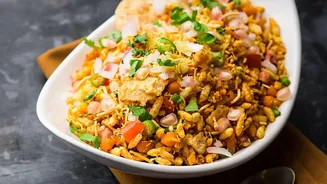
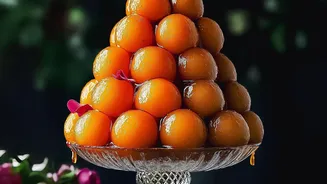
In Gujarat, the heartland of Garba, the celebrations are incomplete without an array of farsan and sweets. In West Bengal, the festival coincides with Durga Puja, where the focus is on elaborate bhog offerings and iconic Bengali sweets. Meanwhile, in Maharashtra, households prepare traditional fasting dishes like sabudana vada and refreshing fruit chaats. In many parts of South India, the festival is observed as Golu, where homes display dolls and a special sundal (a dry legume dish) is prepared daily. Embracing these regional specialities is a way to connect with the festival on a deeper, more cultural level. Even classic dishes are getting a modern, healthy twist, such as sweet potato chaat or makhana-based kheer.