




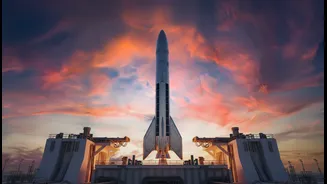



The Countdown to a New Era
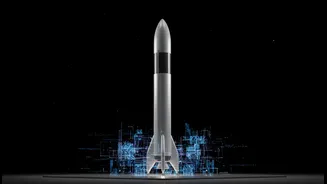
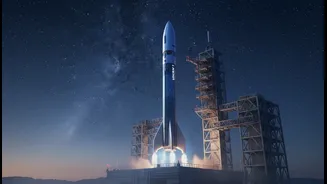
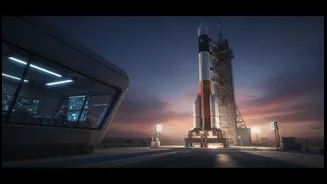
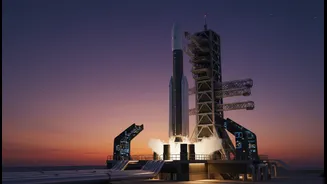
Hyderabad-based startup Skyroot Aerospace is set to make history with the maiden launch of its Vikram-1 rocket, named 'Aagaman', which means 'arrival'. Scheduled for July 18 from the Satish Dhawan Space Centre, this event marks the arrival of India's
private sector into the exclusive club of orbital space launches. Unlike the suborbital Vikram-S which flew in 2022, Vikram-1 is a seven-storey-tall, multi-stage vehicle designed to place small satellites into Low Earth Orbit. A successful launch would make Skyroot the first Indian private company to achieve this feat, a monumental step for the nation's burgeoning space economy. As CEO Pawan Kumar Chandana notes, this is a test flight that will provide invaluable data, foundational to the company's future ambitions.
The Great Engineering Disconnect
For decades, India has been a powerhouse in producing engineering graduates. Yet, for many, the path from university to a high-stakes, innovative career like aerospace has been blurry. The curriculum often prioritizes theory, leaving a significant gap between the knowledge acquired in a classroom and the practical, cutting-edge skills demanded by the global space industry. For aspiring rocket scientists, the primary employer was the esteemed Indian Space Research Organisation (ISRO). While an incredible institution, it couldn't absorb the vast pool of talent. This left many brilliant engineers to pursue careers in other sectors or move abroad. The dream of building rockets in India remained just that for many—a dream.
How Skyroot Is Building the Bridge
Skyroot Aerospace, founded in 2018 by former ISRO scientists Pawan Kumar Chandana and Naga Bharath Daka, is fundamentally changing this dynamic. By demonstrating that a private startup can manage the intense engineering and capital required to build an orbital-class rocket, they have created a tangible new career path. The company has grown from a small team to over 350 engineers, creating high-quality aerospace jobs that were previously scarce outside of government agencies. This provides a clear destination for ambitious engineers who want to work on pioneering technology like 3D-printed rocket engines and all-carbon composite structures without leaving India. Skyroot's success signals to both students and investors that deep-tech is a viable and valuable industry in India, transforming a theoretical degree into a hands-on career.
Vikram-1: A Testament to Indian Ingenuity
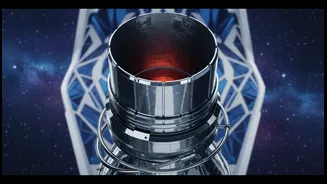
The Vikram-1 itself is a powerful symbol of this new reality. Named after Dr. Vikram Sarabhai, the father of India's space program, the rocket is a marvel of modern engineering. It's a four-stage vehicle using a combination of solid and liquid propulsion. Its first three stages are solid-fuel Kalam motors, while the final stage uses liquid-fuelled Raman engines for precise orbital insertion. What makes it particularly special is the use of advanced manufacturing techniques like 3D-printed components, which dramatically reduce cost and production time. The rocket's lightweight-yet-strong carbon-composite body is another innovation that showcases the practical genius of its engineering team. This isn't just a vehicle; it's a flying portfolio of what Indian engineering talent can achieve when given the opportunity.
The Ripple Effect on India's Space Ambitions
The significance of the Vikram-1 launch attempt extends far beyond one company. It's a catalyst for an entire ecosystem. The opening of India's space sector to private participation in 2020 has led to a boom, with over 400 space startups now active. This growth is fuelling a domestic supply chain and creating thousands of skilled jobs in manufacturing, analytics, and software. The government's vision is for India's space economy to grow from around $8.4 billion to $44 billion by 2033. Companies like Skyroot are at the forefront of this ambition, proving that private enterprise can work alongside ISRO to expand India's capabilities and capture a larger share of the global space market, which is projected to surpass $1 trillion.