
A Tale of Two Spice Blends
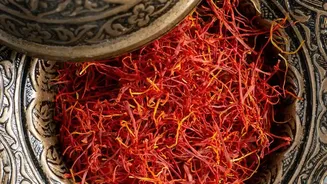
Think of Garam Masala as the popular, versatile star of North Indian cooking, found in kitchens across the country. It’s the finishing touch that adds warmth and fragrant depth to everything from butter chicken to biryani. Goda Masala, on the other hand,
is its lesser-known but equally captivating cousin from Maharashtra. Its name, where ‘goda’ means sweet in Marathi, hints at its profile—not sugary, but a mellow, rounded sweetness in aroma and flavour. While Garam Masala is a pan-Indian celebrity, Goda Masala is the heart of traditional Maharashtrian vegetarian cooking, defining the soul of its everyday dishes.
The Core Ingredient Differences
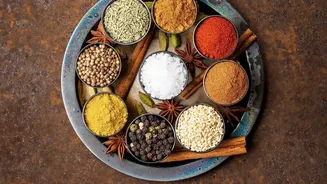
The fundamental difference between these two blends lies in their ingredients. A typical Garam Masala is a potent mix of 'warming' spices like cinnamon, cloves, black peppercorns, and both green and black cardamom. Its composition is designed for aromatic intensity. Goda Masala charts a different course. Its signature ingredients include dried coconut (kopra) and sesame seeds, which are roasted to provide a nutty, rich body. Another key differentiator is the use of unique regional spices like dagad phool (stone flower), a lichen that imparts a smoky, earthy aroma when heated. While both often share coriander and cumin seeds, the addition of coconut, sesame, and dagad phool makes Goda Masala distinctly Maharashtrian.
Flavour Profile: Warmth vs. Nutty Sweetness
These distinct ingredient lists create dramatically different flavour profiles. Garam Masala is pungent, sharp, and warming, designed to provide a final flourish of intense aroma. It elevates a dish with its powerful fragrance. Goda Masala, by contrast, offers a more complex, layered, and mellow experience. The roasted coconut and sesame seeds lend a nutty sweetness, while dagad phool adds an unmistakable earthy, smoky depth. It’s less about fiery heat and more about a gentle, rounded warmth that melds beautifully with other ingredients rather than sitting on top of them.
Colour, Aroma, and Preparation
Visually, the two are also distinct. Goda Masala is typically much darker, often a deep brown or almost black colour, which is why it is sometimes confused with 'Kala Masala'. This dark hue comes from the slow, deliberate roasting of its ingredients, a process that creates a 'khamang' or perfectly toasted aroma. Garam Masala is usually a lighter shade of brown, and its spices are not always roasted, resulting in a sharper, less toasty scent. The preparation technique—roasting for Goda Masala versus often using raw ground spices for Garam Masala—is a crucial factor in their different sensory profiles.
When to Use Each Masala
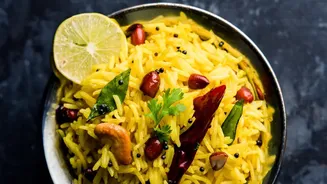
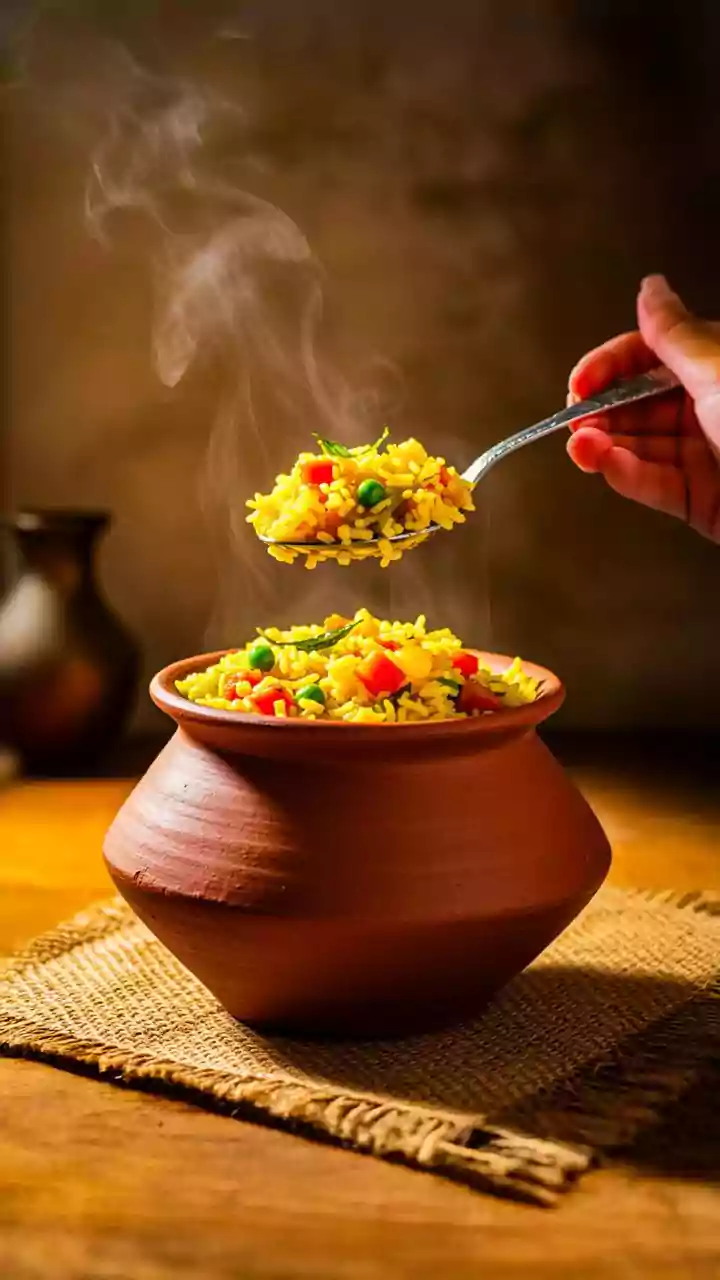
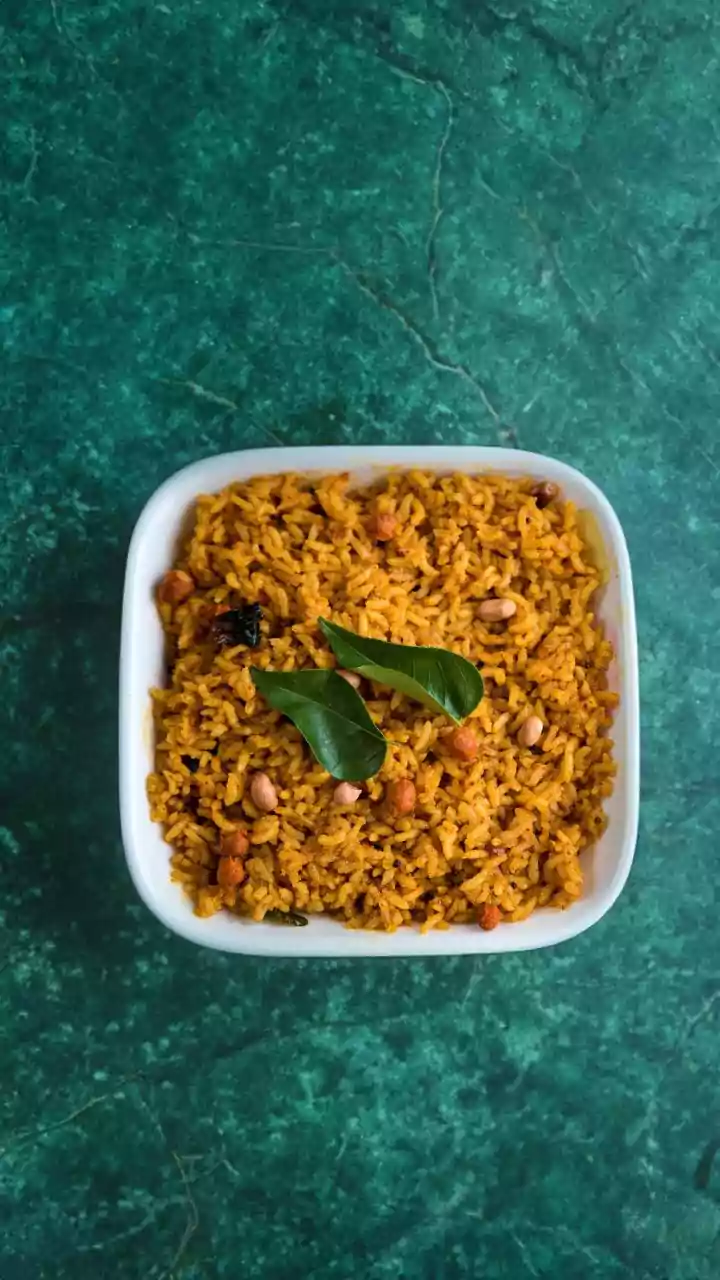
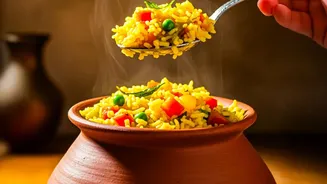
Perhaps the most critical difference is how they are used in cooking. Garam Masala is a 'finishing spice'. It is typically added in the last few minutes of cooking or even sprinkled over a dish just before serving. This preserves its volatile aromatic oils, which would be destroyed by prolonged heat. Adding it too early is a common mistake that mutes its impact. Goda Masala, conversely, is a 'building spice'. It's often added earlier in the cooking process to create a foundational layer of flavour. It is the hero of Maharashtrian classics like masale bhaat (spiced rice), bharli vangi (stuffed eggplants), and various dals like amti, where its flavours are meant to infuse the entire dish.