

A Torrent of Ice and Rock
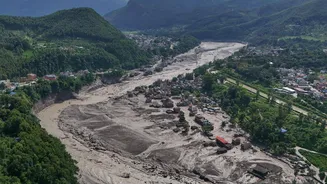
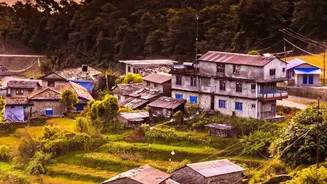
On August 26, 2026, a massive wall of water, mud, and debris thundered through the Bhote Koshi river valley in Nepal, near the border with Tibet. The sudden deluge swept away homes, roads, and bridges, causing immense devastation and resulting in numerous
casualties, with hundreds more reported missing. Initial confusion pointed towards an earthquake, but analysis by the US Geological Survey confirmed a more sinister cause: the seismic shock was generated not by tectonic plates, but by the collapse of a glacier. An avalanche of ice and rock is believed to have blocked a river, which then burst through the temporary dam, releasing a catastrophic flood wave downstream.
What Is a GLOF?
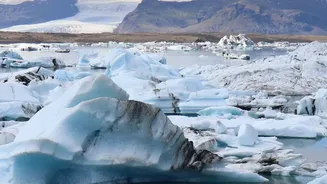
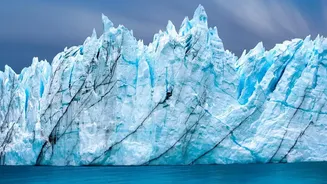
This type of event is known as a Glacial Lake Outburst Flood, or GLOF. As glaciers melt and retreat due to rising temperatures, they often leave behind vast lakes of meltwater. These lakes are frequently dammed by unstable walls of moraine—loose piles of rock, soil, and ice left behind by the receding glacier. A GLOF occurs when this natural dam fails, suddenly releasing enormous quantities of water. These floods are far more powerful than normal seasonal flooding, capable of carrying boulders and debris for over 100 kilometres and transforming into destructive mudflows.
The Anatomy of a Burst
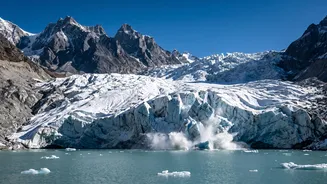
The moraine dams holding these glacial lakes are inherently unstable. They can be breached in several ways. A large chunk of ice calving off the glacier into the lake can create a massive wave that overtops the dam, similar to a tsunami. Heavy rainfall can rapidly raise the lake level, putting immense pressure on the dam. Other triggers include landslides or rockfalls into the lake, or even earthquakes that destabilise the fragile moraine wall. Once a breach occurs, the outflowing water quickly erodes the loose material of the dam, widening the gap and accelerating the flood into a violent, unstoppable torrent.
A Consequence of a Warming Planet
The increasing frequency and intensity of GLOFs are a direct consequence of climate change. The Himalayan region is warming faster than the global average, causing glaciers to shrink at an alarming rate. This rapid melt not only creates new glacial lakes but also causes existing ones to expand, sometimes holding millions of cubic metres of water. A 2023 study found that 15 million people globally are at risk from GLOFs, with the majority in mountainous countries like India, Pakistan, China, and Nepal. The Himalayas, with their active geology and thousands of glacial lakes, are a particular hotspot for this growing hazard.
The Threat to India's Himalayas
The disaster in Nepal serves as a stark warning for India. The recent flooding prompted authorities to monitor water levels downstream in Bihar and Uttar Pradesh. Many Indian states, including Sikkim, Uttarakhand, and Himachal Pradesh, share the same fragile Himalayan ecosystem and face a significant GLOF risk. In October 2023, a GLOF from the South Lhonak glacial lake in Sikkim caused catastrophic flooding in the Teesta River basin, resulting in loss of life and widespread damage. Studies show that a significant percentage of new settlements in states like Sikkim are being built in high-risk flood zones. With thousands of glacial lakes in the Himalayas, many of which are considered potentially dangerous, the threat is not abstract—it is a clear and present danger to downstream communities.