





The Hidden Cost of Our Clothes
The global fashion and textile industry is a major contributor to pollution and waste. Each year, an estimated 92 million tonnes of textile waste are generated globally, a figure that is projected to grow. In India alone, estimates suggest that over 7,000
kilotonnes of textile waste are produced annually. While a significant portion is recovered through various means, a large amount still contributes to overflowing landfills. Many modern fabrics are synthetic and can take hundreds of years to decompose, releasing harmful chemicals and microplastics into the soil and water. Furthermore, producing new textiles consumes vast amounts of natural resources, including water and energy, and contributes to around 10% of global carbon emissions.
Upcycling: Giving Waste a New Life
Upcycling is the creative reuse of discarded materials to create a product of higher quality or value than the original. Unlike recycling, which often breaks down materials to create new raw materials (a process that still consumes energy), upcycling adds value by transforming an item's function. By upcycling fabric scraps, you directly divert waste from landfills. This simple act helps conserve natural resources by reducing the demand for new textile production, which in turn saves water, lowers energy consumption, and cuts down on greenhouse gas emissions and water pollution. It's a powerful way to contribute to a more circular economy, where resources are kept in use for as long as possible.
Getting Started: Your Fabric Scrap Stash
Getting started is the easiest part. Look around your home for old textiles you no longer need. This can include old clothes that are stained or torn, faded bedsheets, curtains, or even the smallest leftover pieces from a past sewing project. Collect a variety of colours, textures, and patterns to give you a rich palette to work with. Wash and iron the fabrics to make them easier to handle. You don't need a sewing machine for many projects; a good pair of scissors, fabric glue, or a simple needle and thread are often all that is required for beautiful creations.
Effortless Idea 1: Festive Fabric Garlands
One of the simplest yet most effective decorations is a fabric garland or 'toran'. All you need is a long piece of twine or string and your fabric scraps. Cut the fabric into strips of similar length and width. Then, simply tie the strips onto the twine, pushing them close together to create a full, fluffy look. You can alternate colours and patterns to match your festive theme. These are perfect for draping over doorways, windows, or on a feature wall. For a no-sew version, simply fold a fabric strip in half, place the loop under the twine, and pull the ends through the loop to secure it.
Effortless Idea 2: Patchwork Cushion Covers
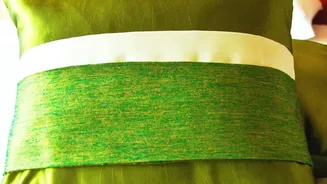
Give your living room an instant festive makeover with unique patchwork cushion covers. Cut your fabric scraps into squares or rectangles of the same size. Arrange them in a pattern that you find pleasing. If you can sew, stitch the pieces together to form a new sheet of patchwork fabric, which you can then turn into a cushion cover. For a no-sew alternative, you can use fabric glue to attach your fabric shapes to a plain, existing cushion cover, creating a colourful and textured new look. Star shapes are another great option for festive pillows.
Effortless Idea 3: Charming Fabric Ornaments
Create charming, personalised ornaments for your tree or as thoughtful handmade gifts. Draw simple festive shapes like stars, hearts, or trees onto a piece of cardboard to use as a template. Trace and cut out two pieces of fabric for each ornament. For a no-sew option, cut a single fabric shape and glue it onto a cardboard backing. You can then add a ribbon loop for hanging. For a 'quilted' look without sewing, use a styrofoam ball and pin small, folded squares of fabric onto it to create intricate patterns. You can also simply cover old baubles with fabric for a fresh new look.