



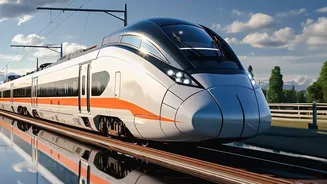
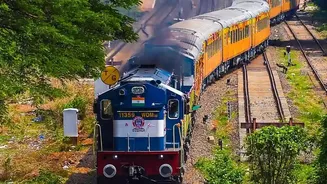
What Exactly is a Hydrogen Train?
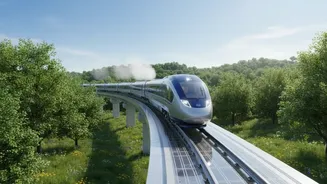
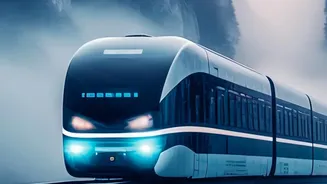
Imagine a train that runs on electricity but doesn't need overhead power lines and emits only water vapour. That's the core concept behind a hydrogen train. These trains use on-board fuel cells to perform a chemical reaction between stored hydrogen and oxygen
taken from the air. This process generates electricity to power the motors, with heat and water as the only byproducts. It's a clean break from traditional diesel locomotives that burn fossil fuels and a flexible alternative for routes where full electrification is difficult or too expensive.
India's Hydrogen Train Takes to the Tracks
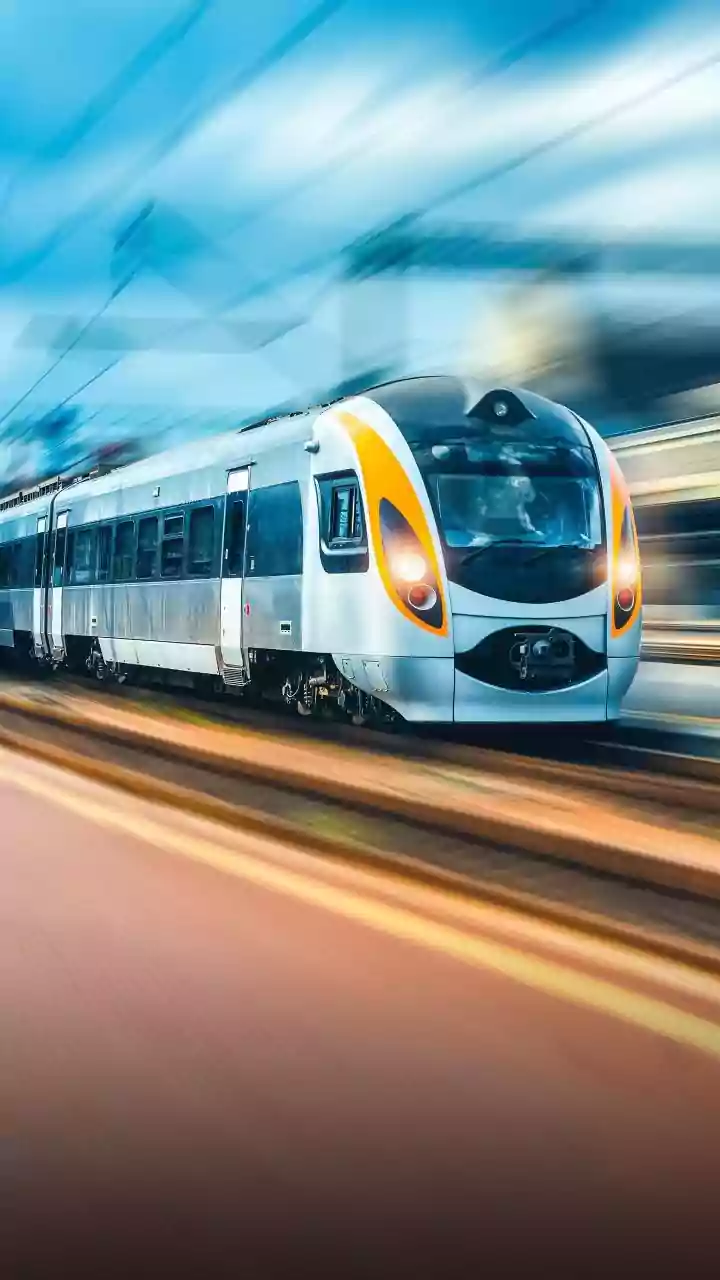
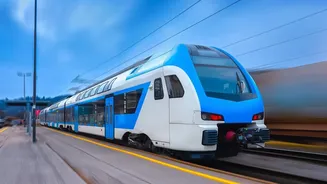
India's journey into this next-generation technology became a reality in mid-2026. The country's first hydrogen-powered train was flagged off on July 17 for its pilot run on the 89-kilometre Jind-Sonipat route in Haryana. This project, part of the 'Hydrogen for Heritage' initiative, is designed to test the operational viability, safety, and reliability of this technology under real-world conditions. Following successful trials where the train reached speeds of 120 kmph, Indian Railways is now aiming to operate the service at up to 110 kmph. To support this, a dedicated hydrogen production, storage, and refuelling facility has been established in Jind.
A Key Part of the 'Net Zero' Mission
These trials are not just a technological showcase; they are a critical component of Indian Railways' mission to become a 'Net Zero Carbon Emitter' by 2030. As one of the world's largest railway networks, this is a massive undertaking. The organisation's strategy rests on several pillars, including the near-complete electrification of its broad-gauge network and a major shift towards renewable energy. Hydrogen trains are seen as a vital solution for routes where electrification is not feasible, such as heritage lines in hilly terrain. The 'Hydrogen for Heritage' project aims to eventually deploy 35 such trains on scenic and ecologically sensitive routes, like the Kalka-Shimla line, replacing aging diesel engines.
Challenges and the Road Ahead
Despite the successful launch, the path to widespread adoption has its challenges. One of the main hurdles is the low passenger numbers on the initial Jind-Sonipat route, which has prompted officials to consider extending the service to Delhi to improve utilisation. Another significant factor is the cost and supply of green hydrogen—hydrogen produced using renewable energy. Indian Railways is actively exploring ways to secure cheaper green hydrogen to make the expansion of these services economically viable. The experience gained from this initial pilot will be invaluable in overcoming these obstacles and scaling the technology across the network, positioning India among a select group of nations pioneering hydrogen rail.