



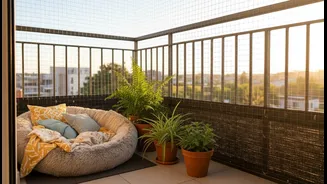
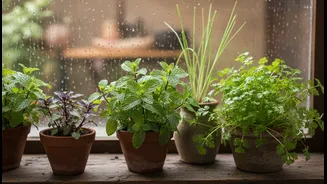
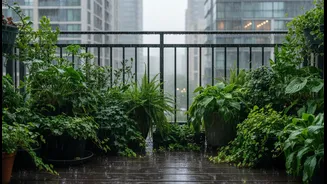


First, Check for Toxicity
The foundational step in creating a pet-safe environment is understanding which plants pose a threat. Many common houseplants popular in Indian homes can be harmful if ingested by cats or dogs. For instance, plants like the Peace Lily, Snake Plant, ZZ
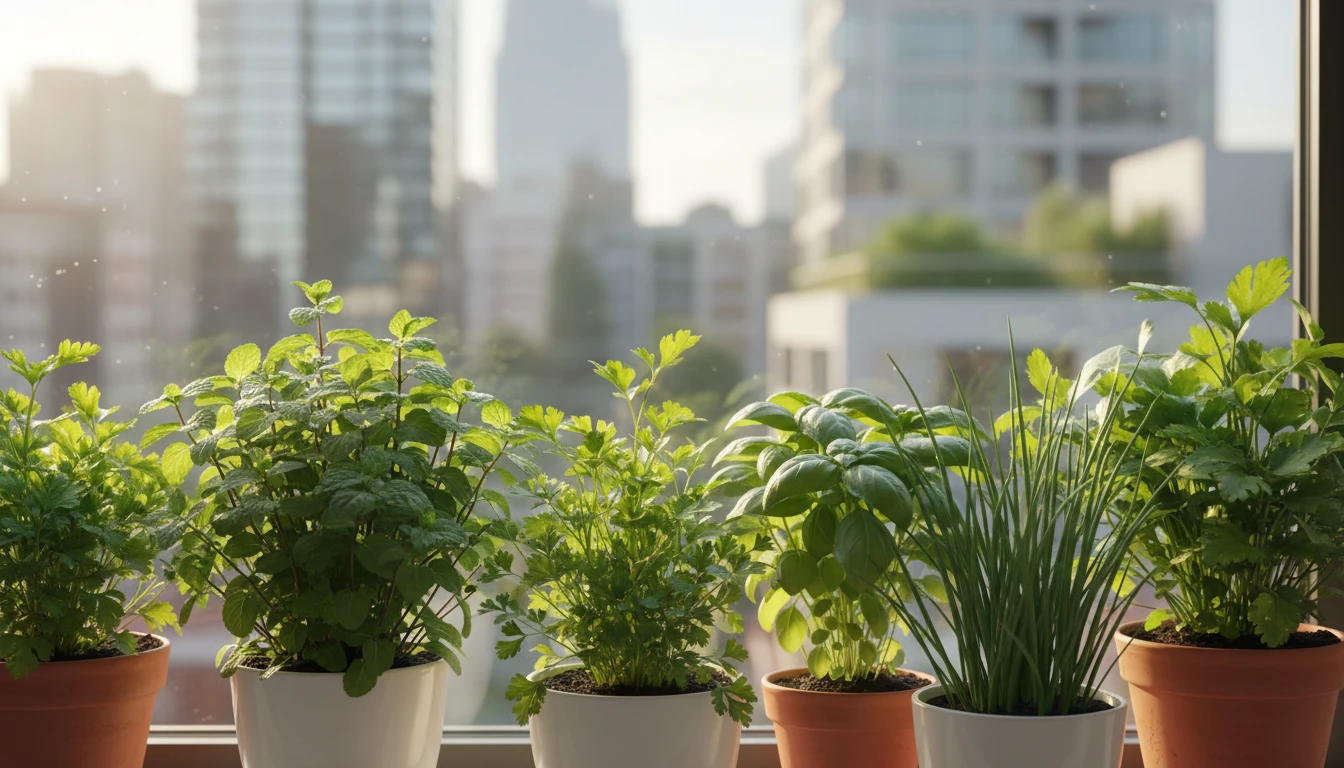
Plant, and even some varieties of Money Plant (Pothos) contain substances like calcium oxalate crystals or saponins. If chewed, these can cause symptoms ranging from oral irritation and drooling to vomiting and diarrhoea. Highly toxic plants, such as lilies for cats, can lead to severe issues like kidney failure. Conversely, many beautiful and air-purifying plants are perfectly safe. Options like the Areca Palm, Spider Plant, Boston Fern, and various Calatheas (Prayer Plants) are non-toxic and make excellent additions to a home with pets. Making a list of your current plants and researching their toxicity is a crucial first move. When in doubt, assume a plant is toxic until you can confirm otherwise.
Second, Master Strategic Placement
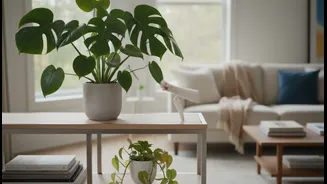
A plant’s toxicity tells only half the story; where you place it is just as important. Even non-toxic plants can cause mild digestive upset if your pet eats a large quantity, so keeping them out of reach is always a good strategy. This is where creative placement comes in. Using hanging baskets, wall-mounted planters, or placing plants on high shelves can effectively keep them away from curious paws and mouths. This method allows you to enjoy a wider variety of plants, as even a mildly toxic plant may pose no risk if your pet simply cannot get to it. For larger floor plants, consider using tall planters that elevate the leaves out of easy reach. You can also create physical barriers by arranging furniture or designating a specific 'plant room' that is off-limits to your pets. This second check ensures that your pet's access, not just the plant's nature, is managed.
Third, Observe and Manage Behaviour
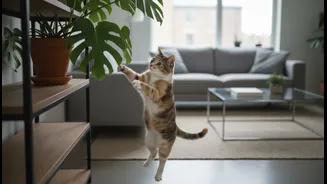
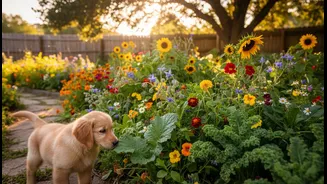
Every pet is different. Some may show zero interest in your plants, while others might see them as a new toy or snack. Understanding your pet's individual personality and habits is the final piece of the puzzle. If you have a dog that loves to dig, covering the soil in your pots with decorative stones, pinecones, or burlap can be an effective deterrent. For cats that are drawn to chewing leaves, providing a safe alternative like cat grass can redirect their attention. You can also make plants less appealing by using natural repellents. A diluted solution of lemon juice and water sprayed on the leaves can discourage many pets, as cats and dogs are often averse to the smell and taste of citrus. Consistent training is also key. Using commands like "leave it" and rewarding your pet for staying away from plants reinforces good behaviour. By observing your pet, you can tailor your approach and address the root cause of their interest, whether it's boredom, curiosity, or anxiety.
A Holistic Approach to a Harmonious Home
True pet-safe planting isn't about a single list of 'good' and 'bad' plants. It's about combining these three checks—toxicity, placement, and behaviour—into a flexible system. A mildly toxic plant might be perfectly fine on a high shelf in a home with a small, non-climbing dog, but a terrible idea on the floor with a curious cat. A completely non-toxic fern could still be a problem if your puppy constantly digs it up out of boredom. By evaluating all three factors together, you move from a rigid set of rules to a dynamic and personalized approach. This allows you to create a home that is not only safe for your furry family members but also filled with the green, vibrant life you love. The goal is a peaceful coexistence, and it is entirely within reach when you look at the complete picture.