
Delhiites have a new reason to explore their city's ancient lifeline. The Namo Yamuna River Safari has officially launched, offering a fresh perspective on the capital from the water. Here is a practical guide to planning your trip.
What Exactly Is the Namo Yamuna Safari?
The Namo Yamuna River
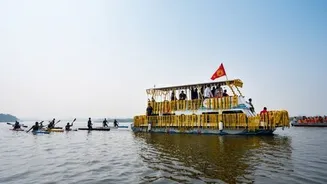
Safari is a new recreational cruise service launched on November 10, 2026, aimed at boosting river-based tourism in the capital. The initiative, a collaboration between the central government and Delhi authorities, provides residents and tourists with a chance to experience the Yamuna from a new vantage point. It uses eco-friendly, electric-powered vessels designed to offer a comfortable and sustainable ride. The stated goal is not just recreation but also to foster a deeper public connection with the river, which is central to Delhi's history and is currently the focus of major rejuvenation efforts.
The Key Details: Cost, Duration, and Distance
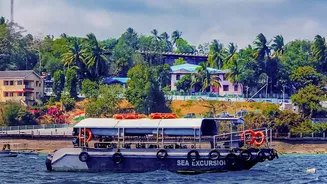
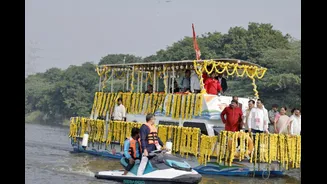
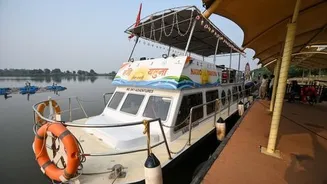
The headline figures hold true. The safari costs ₹500 per person for the boat ride. Additionally, there is a separate premises entry fee of ₹50 for those who wish to visit the developed riverfront area at Sonia Vihar without taking the cruise. The journey is a six-kilometre round trip that takes approximately 40 minutes to complete. The boat itself is a 30-seater, air-conditioned vessel equipped with safety jackets and an onboard bio-toilet to prevent river pollution. Operators plan to run at least four trips daily.
The Route and Onboard Experience
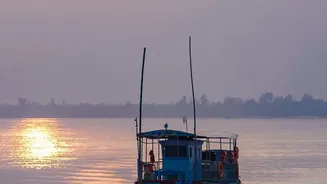
The safari operates on a stretch of the Yamuna between Sonia Vihar in North Delhi and Jagatpur. This section falls upstream of the Wazirabad Barrage, where the water is relatively cleaner compared to the more polluted stretches downstream. Passengers board from a newly developed terminal at Sonia Vihar, which includes floating jetties. The ride offers open-water views and a glimpse of the river's greener banks, a side of Delhi that often goes unseen. While you won't pass major historical monuments like the Red Fort, the attraction is the unique perspective of the river itself and the chance to spot birds, especially during the winter migratory season. The experience is described as a relaxing escape from the city's traffic and a new recreational activity for families and photographers.
Timings and How to Book Your Spot
The Namo Yamuna River Safari operates daily. The riverfront premises at Sonia Vihar are open from 9 am, with the last ticket being issued around 9 pm. This long window allows for both day trips and evening outings. To book the cruise, visitors are directed to the official Delhi Tourism website. Given the boat's limited capacity of 30 passengers, booking in advance, especially for weekends and holidays, is recommended to secure a spot. On-site ticketing may also be available, but online booking is the primary method.
More Than Just a Boat Ride
The project is larger than just the safari. The Sonia Vihar riverfront has been developed into a recreational hub. Visitors can find a food court, shopping facilities, and a dedicated children's play zone. A key attraction is an evening musical fountain show themed around Lord Krishna and the significance of the Yamuna. The broader vision includes creating walking paths and ecological trails, making the entire area a destination for a full day's outing. These amenities are part of a phased development plan to transform the Yamuna's banks into accessible public spaces.
The Bigger Picture: A Step Towards a Cleaner Yamuna?
This safari is part of the larger Yamuna Riverfront Development Project, which aims to rejuvenate the river's floodplains and reconnect Delhi's residents to their historic waterway. By creating an engaging and positive experience on the river, authorities hope to increase public awareness and investment in its cleanup. The use of eco-friendly electric boats underscores a commitment to sustainable tourism. While the river still faces significant pollution challenges, especially in its central and southern stretches, this initiative on a cleaner segment is a symbolic and practical step towards changing the public's perception and relationship with the Yamuna.