




An Unplanned Opportunity
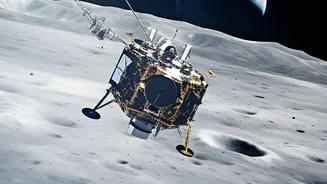
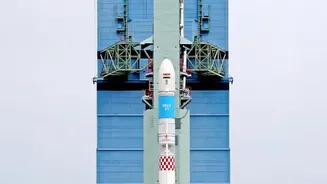
On August 5, 2026, the upper stage of a SpaceX Falcon 9 rocket is expected to end its 19-month journey through space with an impact on the Moon. Originally launched in January 2025 to deploy two lunar landers, the rocket stage was left in a chaotic orbit.
Instead of harmlessly burning up in Earth's atmosphere, it was captured by lunar gravity. While the crash itself is unintentional, space agencies and scientists are treating it as a valuable, pre-planned experiment. This isn't the first time humanity has deliberately impacted the Moon; the Soviet Union's Luna 2 was the first in 1959, and NASA's LCROSS mission famously slammed into a polar crater in 2009 to search for water. This event, however, offers a fresh opportunity to learn from an object of known mass and velocity hitting the lunar surface.
The Science of a Cosmic Collision
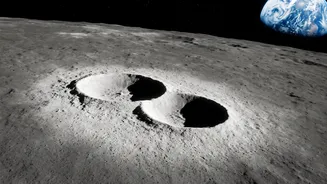
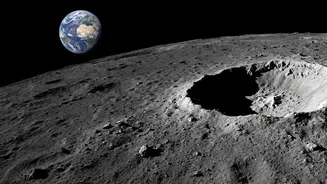
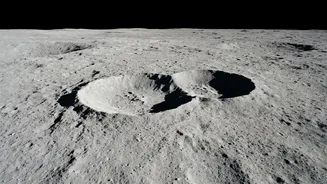
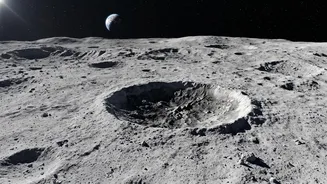
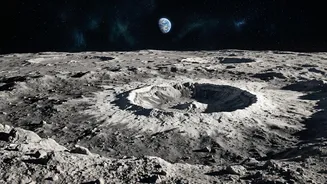
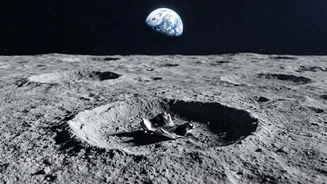
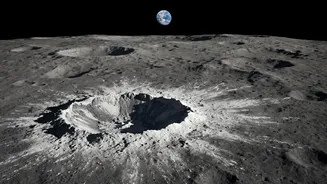
Why get excited about a four-ton piece of space hardware hitting the dust? The science is in the splash. The impact will act like a massive geological hammer, excavating a crater estimated to be over 50 feet across. This collision will blast tonnes of material from beneath the Moon's surface — material that hasn't seen sunlight in potentially billions of years. Instruments on orbiting spacecraft, like NASA's Lunar Reconnaissance Orbiter (LRO), will be watching closely. Scientists will analyze the plume of debris for its chemical composition, hoping to get a clearer picture of the geology in that region. A key target is the detection of water ice, a resource considered critical for establishing a permanent human presence on the Moon. The impact also creates a new, pristine crater, which allows scientists to study how these features form and evolve on the lunar surface, a process that is obscured on Earth by weather and tectonics.
Seismic Insights and Future Safety
Beyond the ejected plume, the impact will send seismic shockwaves through the Moon. The Apollo missions left behind seismometers that revealed the Moon is not a dead rock but is seismically active. Studying the tremors from this new, well-documented impact can provide invaluable data about the structure of the lunar interior, from its crust to its core. This information is crucial for planning future missions, particularly the establishment of a long-term lunar base. Understanding how the ground shakes can inform the design of habitats and infrastructure. Furthermore, observing the impact from a safe distance helps answer practical questions about astronaut safety during the construction of a future Moon base, which will see an increase in both crewed and uncrewed cargo deliveries.
A New Era of Lunar Exploration
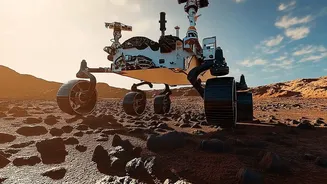
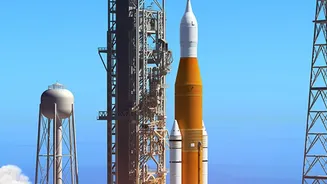
This impact event doesn't happen in a vacuum. It comes amid a global renaissance in lunar exploration. NASA's Artemis program aims to land astronauts near the Moon's South Pole no earlier than 2027, with the explicit goal of establishing a sustainable presence. This ambitious plan relies on a fleet of commercial partners, working under the Commercial Lunar Payload Services (CLPS) initiative, to deliver scientific instruments, rovers, and eventually, habitats to the surface. Dozens of robotic missions are planned through the end of the decade from multiple nations and private companies. Understanding the resources available on the Moon, especially water ice, is a primary scientific objective that will determine the feasibility of these long-term plans. Each mission, whether it's a soft landing or a hard impact, adds a critical piece to the puzzle of how to live and work on another world.