





From Vague Guesswork to Actionable Intelligence
For years, the monsoon forecast was a simple, broad-strokes affair. Today, the India Meteorological Department (IMD) provides detailed, multi-day forecasts that distinguish between light showers and potentially disruptive 'heavy' to 'extremely heavy' rainfall
events. Armed with colour-coded alerts (yellow, orange, and red), these forecasts give us a crucial head-start. An orange or red alert isn't just a suggestion of a downpour; it's an evidence-backed warning of potential waterlogging, traffic snarls, and even landslides on vulnerable routes. This shift from general prediction to specific warning is the game-changer. It allows us to move from being reactive victims of the weather to proactive planners who can make informed decisions about our journeys.
Redefining the 'Weather Buffer'
The traditional travel buffer has always been about time—leaving 30 or 60 minutes early and hoping for the best. But a modern weather buffer, powered by IMD's alerts, is about strategy, not just time. It's a flexible plan that considers the 'when,' 'where,' and 'how' of your travel. It means having a Plan B and even a Plan C. Instead of just adding an hour to your commute during a red alert, the new approach might involve questioning if the journey is necessary at all. A true weather buffer is no longer a blind cushion of extra minutes; it's an intelligent and adaptable travel strategy that starts before you even lock your front door.
Your New Playbook for Road Journeys
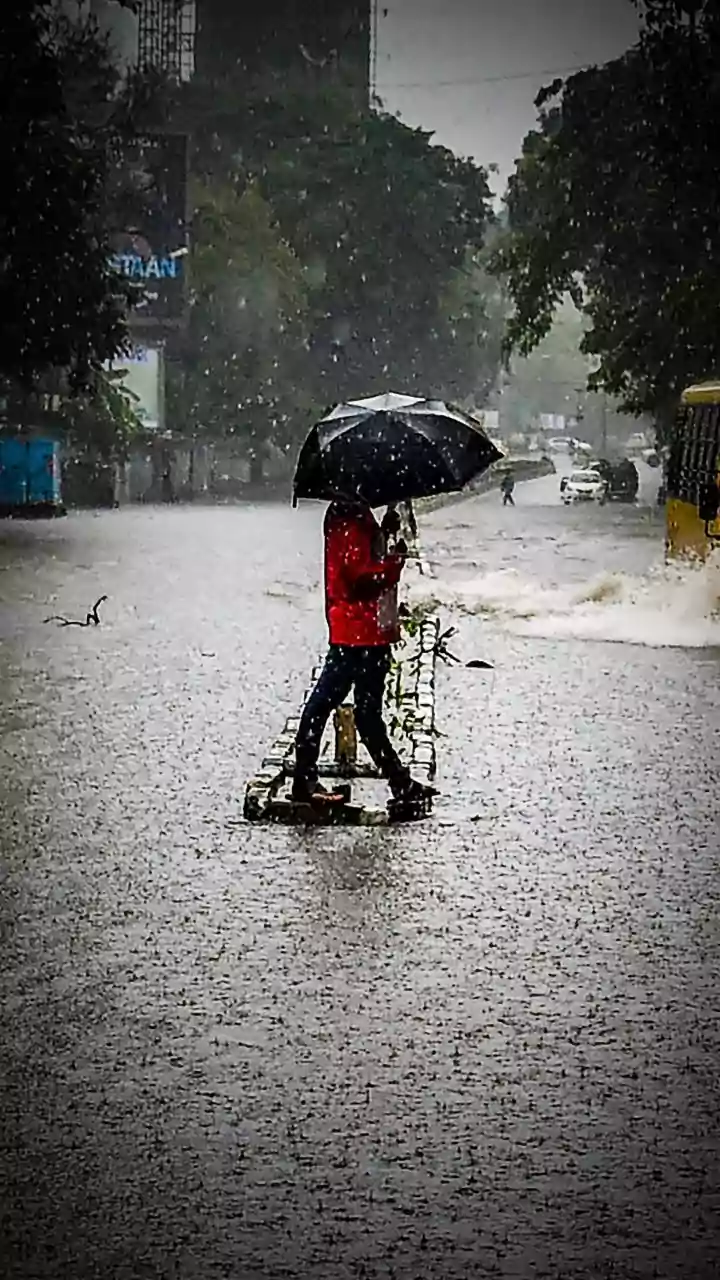
For those who travel by car, bike, or bus, a multi-day heavy rain forecast demands a new checklist. Before you travel, check the IMD forecast for your specific route, not just the city. Use live traffic apps to identify waterlogged choke points and pre-plan alternative routes. Your vehicle must be monsoon-ready: check your tyres for grip, your brakes for responsiveness, and ensure your wipers are effective. Driving through flooded streets is a strict no, as still water can hide open manholes or deep potholes. During an orange or red alert, the safest buffer might be to switch to an elevated metro if available, work from home, or reschedule non-essential appointments. If you must drive in heavy rain, reduce your speed, maintain a safe distance, and keep headlights on for visibility.
Navigating the Rails with Foresight
Indian Railways are the nation's lifeline, but they are not immune to the monsoon's fury. Heavy rainfall can lead to submerged tracks, signal failures, and, in hilly sections, landslides that can cut off connectivity for days. Your buffer for rail travel is primarily informational. Constantly check your train's status using the NTES app or railway websites, especially if you are travelling on a route flagged by an IMD alert. A multi-day warning gives you time to consider alternatives if your train is cancelled. Be prepared for platforms to be slippery and crowded. Pack a 'monsoon kit' with a power bank, snacks, and drinking water, as delays can be long and unpredictable. The forecast gives you the power to anticipate disruption, rather than just react to it at a packed station.