







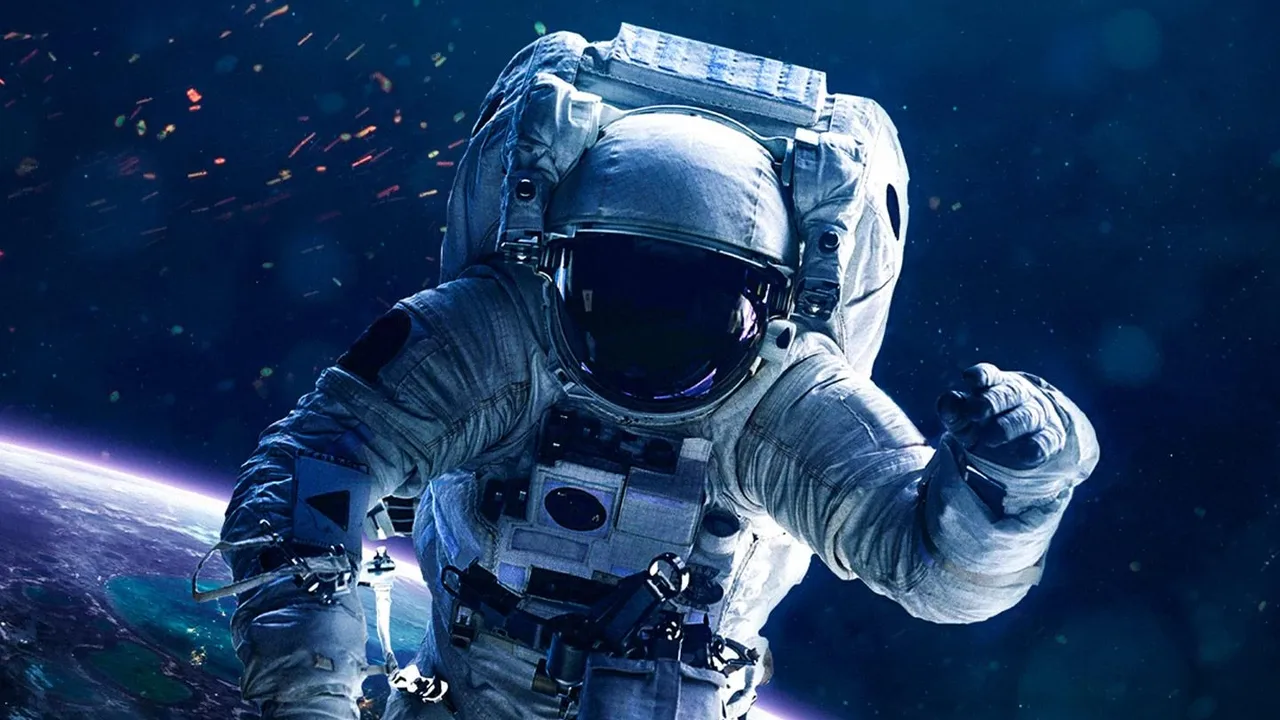
A Complex Chore in a Weightless Workplace
On Tuesday, August 25, NASA astronaut Anil Menon and European Space Agency (ESA) astronaut Sophie Adenot ventured outside the International Space Station for a planned spacewalk lasting six and a half hours. Their primary mission was to install a spare
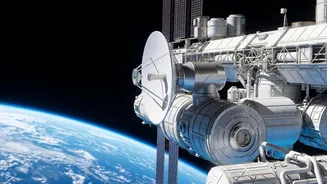
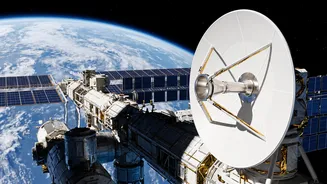
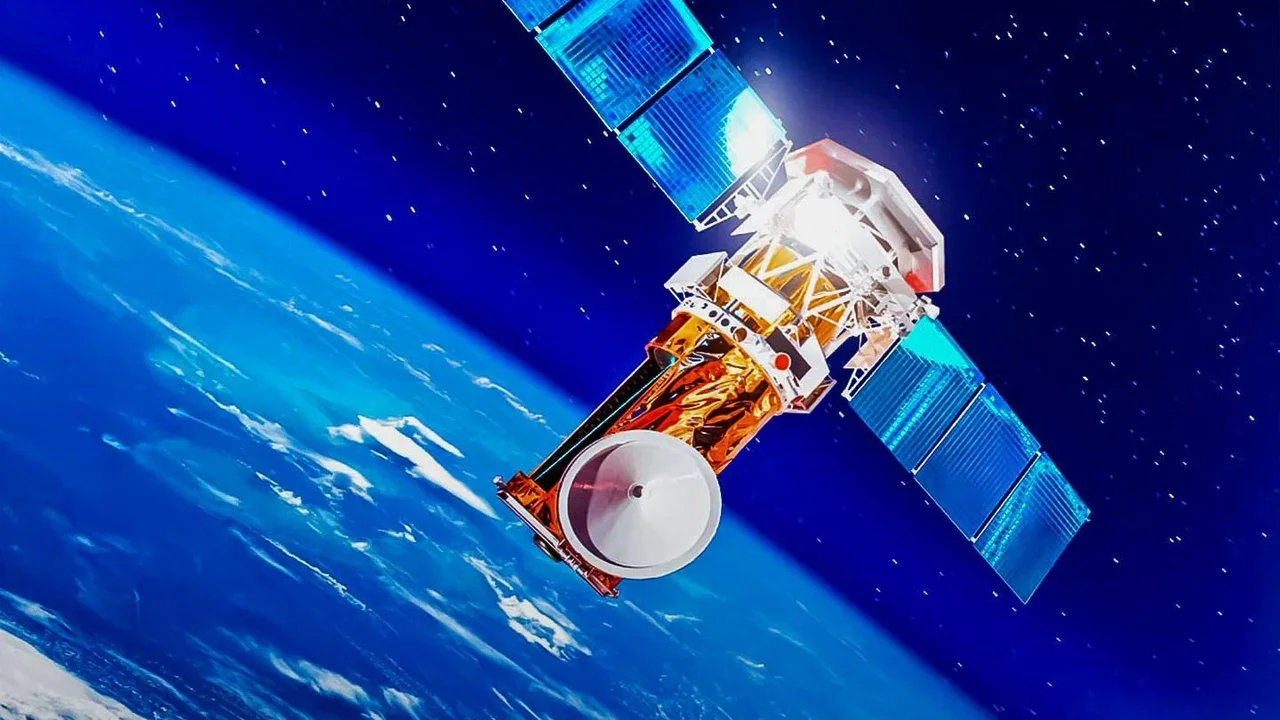
Space-to-Ground Antenna (SGANT) on the station's Z1 truss structure. The task was actually the conclusion of a two-part effort. During a previous spacewalk on August 18, the duo had successfully removed the faulty antenna but ran out of time to install its replacement after encountering delays in disconnecting cables and loosening bolts. This second spacewalk saw Menon, secured to the Canadarm2 robotic arm, and Adenot working in tandem to mount and connect the new dish, finally restoring a key piece of the station's communication system.
Meet the Spacewalkers
The successful installation was the result of a skilled international partnership. For Anil Menon, this was his third career spacewalk, increasing his total time working in the vacuum of space to over 19 hours. For Sophie Adenot, this was her second spacewalk, a significant milestone that followed her historic first outing on August 18, when she became the first woman from France to perform an extravehicular activity (EVA). Inside the station, their crewmates assisted with their preparations and commanded the robotic arm that positioned Menon at the worksite, highlighting the teamwork essential for such complex operations.
Why the 'Video Dish' Is Crucial
This wasn't just a routine repair; it was about restoring critical redundancy. The station has two such antennas, which are the main conduits for high-speed data, including science telemetry and video, relayed through NASA's satellite network. When one of the antennas failed last November, the station had to rely on a single link, losing its backup. The successful installation prompted a celebratory call from Mission Control, parodying a famous song: "You just saved the video dish". This new antenna ensures that the massive amounts of data generated by the hundreds of experiments aboard the ISS can be transmitted to scientists on Earth efficiently. It is a vital link for everything from medical research to Earth observation.
Restoring Redundancy, Ensuring the Future
In the unforgiving environment of space, redundancy is a cornerstone of safety and operational continuity. Having both Space-to-Ground antennas fully functional means the ISS can handle potential future issues without compromising its mission. The repair ensures the station maintains its robust S-band and Ku-band communication links, which are essential not just for science data but for crew communications and vehicle operations. Initial checks from the ground confirmed the newly installed antenna was showing good power and data transmission. This successful upgrade is part of the ongoing maintenance required to keep the more than two-decade-old orbital laboratory at peak performance.
A Stepping Stone for Deeper Space Exploration
The work done on the ISS today has implications far beyond low-Earth orbit. Modernizing and maintaining the station's capabilities ensures it can serve as a testbed for technologies needed for future long-duration missions to the Moon and Mars. Reliable, high-bandwidth communication is a non-negotiable requirement for these future endeavors, which will generate unprecedented amounts of data. Every spacewalk and every upgrade, from installing new solar arrays to replacing an antenna, contributes to the knowledge base needed to sustain human life and work farther from our home planet. This successful installation not only secures the ISS's immediate future but also reinforces its role as a critical piece of infrastructure for the next generation of space exploration.