



The Bubble in the Hills
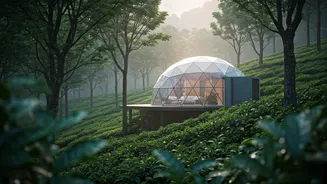
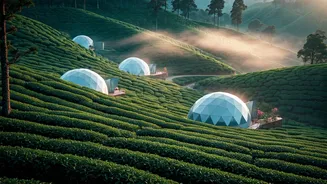
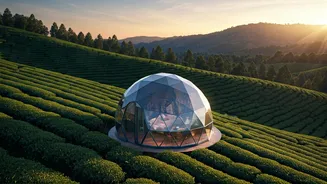
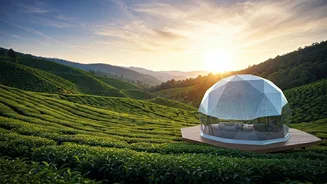
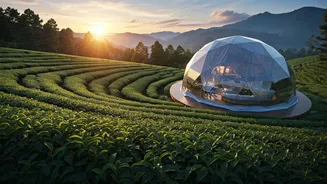
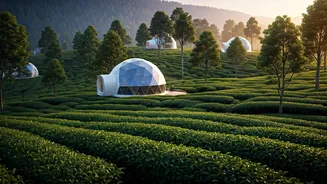
They appear like futuristic pods dropped gently onto the manicured slopes of tea country. These are geodesic domes, and they are fast becoming the most sought-after accommodation for a romantic or restorative getaway. Unlike a traditional tent or cottage,
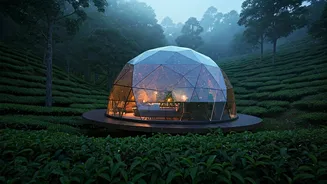
a geodesic dome is a hemispherical structure built from an interlocking network of triangles. This design is not only incredibly strong, able to withstand wind and rain, but it also allows for large, panoramic windows—often covering a third or more of the structure. The effect is an almost seamless connection with the outside world. You are sheltered, comfortable, and yet completely immersed in the sprawling landscape of the tea estate, with its lush greenery and dramatic, cloud-filled skies.
Glamping, Redefined
The term 'glamping'—glamorous camping—has been around for a while, but these domes are elevating the concept. Forget shared bathrooms or roughing it. Inside these ethereal bubbles, you'll typically find the comforts of a luxury hotel room. Think king-sized beds with premium linen, chic, modern furniture, en-suite bathrooms with hot running water, and often, amenities like a mini-fridge, coffee maker, and Wi-Fi. The experience is a study in contrasts: the raw, untamed beauty of nature viewed from a cocoon of sophisticated comfort. It’s the perfect solution for travellers who crave an intimate connection with the outdoors but are not willing to sacrifice modern conveniences. This blend of rustic adventure and polished luxury is the core of the domes' appeal.
A Social Media Sensation
It’s impossible to ignore the role of social media in the rise of the geodesic dome. These stays are incredibly photogenic. The image of a person sipping tea while gazing out from a cosy dome onto a misty valley is pure Instagram gold. Travel influencers and discerning tourists alike are drawn to the unique aesthetic, which stands out in a crowded feed of generic hotel rooms and resort pools. This visibility has created a powerful cycle: stunning photos generate curiosity and desire, which drives bookings, which in turn leads to more photos being shared. For property owners, the domes offer a distinct marketing advantage, creating a 'destination within a destination' that people are willing to travel for and, crucially, share widely online.
Munnar and Beyond
While the trend is visible in various hilly regions, the tea estates of Munnar in Kerala have emerged as the epicentre of this movement in India. The region's dramatic topography, with its steep, tea-covered hills and perpetually misty climate, provides a breathtaking backdrop for the transparent domes. Properties have strategically placed these structures on cliff edges or secluded clearings to maximize privacy and offer uninterrupted 270- or 360-degree views. But the phenomenon isn't limited to Munnar. Similar glamping experiences are beginning to pop up in other iconic plantation regions like Coorg, Wayanad, and even near Darjeeling, as hospitality entrepreneurs recognise the potent combination of tea tourism and unique, experiential stays. It’s a natural marriage: the tranquil, aromatic environment of a tea estate is the perfect setting for a mindful, immersive retreat.
Planning Your Dome Stay
If you're tempted to book a stay, there are a few things to keep in mind. These are premium experiences, and the price reflects that, often costing significantly more than a standard hotel room in the same area. Bookings should be made well in advance, especially for weekends and holidays, as most properties have a limited number of domes. Packages often include breakfast, and some may offer all-inclusive deals with meals and activities like plantation walks, tea-tasting sessions, or guided treks. Check the specifics of the location—some domes are part of a larger resort, while others are more isolated. Ultimately, this is an experience for those looking to disconnect, celebrate a special occasion, or simply see a familiar landscape in a completely new and unforgettable way.