




Rethinking Our Morning Fuel
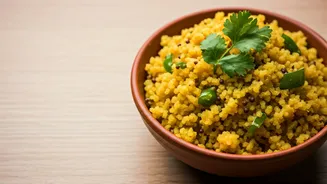
The classic Indian breakfast is a thing of beauty, but many of our favourites, like poha or traditional semolina (sooji) upma, are rich in simple carbohydrates. While delicious and comforting, they can cause a rapid spike in blood sugar, giving you a quick
burst of energy that is soon followed by a dreaded crash. This leaves you feeling sluggish, unfocused, and reaching for another cup of chai or a sugary snack long before lunchtime. To truly own your morning, you need a breakfast that provides sustained energy, keeping you full, focused, and productive.
The Power of Oats and Almonds
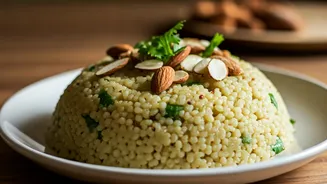
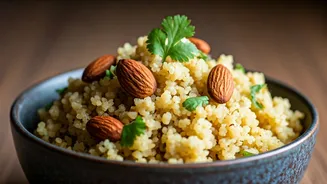
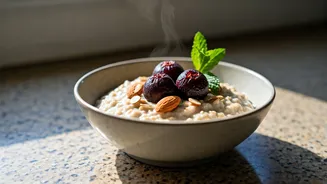
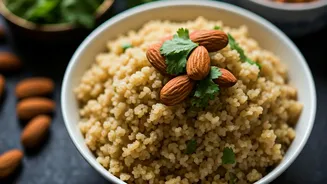
This is where the magic of Almond Oats Upma comes in. By swapping traditional sooji for rolled oats, you’re introducing a powerhouse of complex carbohydrates and soluble fibre. Unlike simple carbs, complex carbs are digested slowly, ensuring a gradual release of glucose into your bloodstream. This means no dramatic sugar spikes and no subsequent crash. The fibre, particularly beta-glucan in oats, also promotes satiety, keeping you feeling full and satisfied for hours.
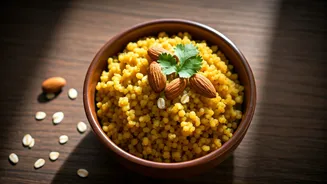
Adding almonds to the mix elevates this breakfast to another level. Almonds are an excellent source of healthy monounsaturated fats, plant-based protein, and essential micronutrients like magnesium, which plays a crucial role in energy metabolism. The combination of protein and healthy fats further slows down digestion, stabilising your energy levels and preventing hunger pangs. Together, oats and almonds create a synergistic blend of macronutrients designed for peak morning performance.
The Ultimate Almond Oats Upma Recipe
This recipe retains the beloved savoury flavours of a classic upma while supercharging its nutritional profile. It’s quick, easy, and endlessly customisable.
Yields: 2 servings
Prep time: 10 minutes
Cook time: 15 minutes
Ingredients:
- 1 cup rolled oats (not instant)
- 2.5 cups water or vegetable broth
- 1 tbsp oil or ghee
- 1 tsp mustard seeds
- 1 tsp urad dal
- A pinch of asafoetida (hing)
- 8-10 curry leaves
- 1 medium onion, finely chopped
- 1 green chilli, slit lengthwise
- 1/2 inch ginger, grated
- 1/2 cup mixed vegetables (carrots, peas, beans), finely chopped
- 1/4 cup slivered or chopped almonds, plus more for garnish
- 1/4 tsp turmeric powder
- Salt to taste
- 1 tbsp lemon juice
- 2 tbsp fresh coriander, chopped
Instructions:
1. Toast the Oats: In a dry pan over medium heat, dry roast the rolled oats for 3-4 minutes until they are slightly fragrant. This prevents them from becoming mushy. Set aside.
2. Prepare the Tadka: Heat oil or ghee in the same pan. Add mustard seeds and let them splutter. Add the urad dal and sauté until it turns golden brown. Add the asafoetida and curry leaves.
3. Sauté Aromatics: Add the chopped onion, green chilli, and grated ginger. Sauté for 2-3 minutes until the onion becomes translucent.
4. Cook the Vegetables: Add the mixed vegetables, turmeric powder, and salt. Sauté for 3-4 minutes until the vegetables are slightly tender. Add the chopped almonds and cook for another minute.
5. Combine and Cook: Pour in the water or vegetable broth and bring it to a rolling boil. Slowly add the toasted oats while stirring continuously to avoid lumps. Reduce the heat to low, cover the pan, and let it cook for 5-7 minutes, or until the oats have absorbed the liquid and are cooked through.
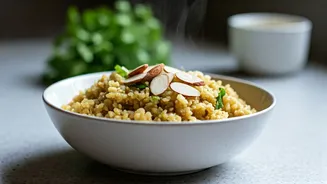
6. Finish and Serve: Turn off the heat. Fluff the upma with a fork. Stir in the fresh lemon juice and chopped coriander. Garnish with a few more chopped almonds and serve hot.
Tips for Customisation and Perfection
The beauty of upma is its versatility. Feel free to add other vegetables like corn or bell peppers. For an extra protein boost, you can stir in some crumbled paneer at the end. To enhance the flavour, a spoonful of grated coconut as a garnish works wonderfully. The key to getting the right texture is to avoid overcooking the oats. They should be soft but still hold their shape. If your upma seems too dry, add a splash of hot water; if it's too wet, cook it uncovered for another minute or two until the desired consistency is reached.