



A New Era of Clean Travel
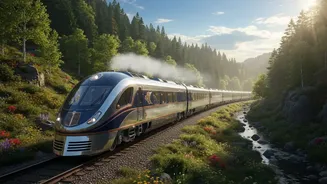
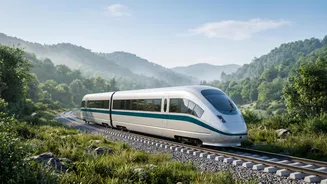
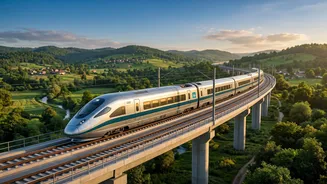
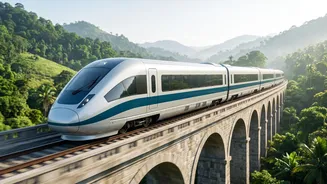
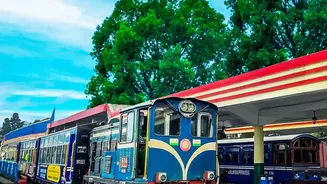
Indian Railways has embarked on a pioneering project to run hydrogen-powered trains on its iconic heritage routes. This initiative, dubbed 'Hydrogen for Heritage,' aims to transform the travel experience on scenic and ecologically sensitive lines like
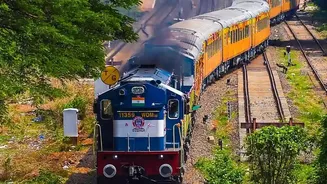
the Kalka-Shimla, Darjeeling Himalayan, and Nilgiri Mountain Railways. The core idea is to replace ageing diesel locomotives with a clean, green alternative, preserving the beauty of these tourist hotspots while drastically cutting down on pollution. The project kicked off with a successful pilot on the Jind-Sonipat route in Haryana in July 2026, serving as a technology demonstrator for this ambitious plan. This first indigenously designed and built hydrogen train is now providing valuable data that will inform the rollout across more complex heritage terrains.
How Do Hydrogen Trains Work?
A hydrogen train is essentially an electric train that generates its own power on board. Instead of burning fuel or drawing electricity from overhead wires, it uses a device called a fuel cell. Inside the fuel cell, hydrogen stored in high-pressure tanks reacts with oxygen drawn from the air. This electrochemical reaction produces electricity to power the train's motors, with the only by-products being water vapour and a small amount of heat. This means zero tailpipe emissions—no smoke, no carbon dioxide, and no particulate matter. The trains are also significantly quieter than their diesel counterparts, promising a more serene journey through pristine landscapes.
Why Target Heritage Routes?
The decision to focus on heritage routes is strategic. These narrow-gauge lines often run through fragile ecosystems and UNESCO World Heritage sites where environmental preservation is paramount. The loud noise and fumes from diesel engines detract from the natural beauty and contribute to local air pollution. Furthermore, electrifying these routes with overhead cables is often impractical due to the difficult terrain, numerous tunnels, and the desire to maintain their aesthetic integrity. Hydrogen trains offer a perfect solution: they provide the benefits of electric traction without the need for extensive and visually intrusive infrastructure, making them ideal for these special corridors.
The Road Ahead: Ambition Meets Reality
Indian Railways has outlined a plan to introduce 35 hydrogen trains across its heritage network. However, the path to revolutionizing these routes is paved with challenges. The primary hurdle is the cost and availability of 'green' hydrogen—hydrogen produced using renewable energy like solar or wind. Establishing the necessary infrastructure for hydrogen production, storage, and refuelling in remote, hilly areas is another significant undertaking. Initial running costs are expected to be higher than diesel, though they are projected to decrease as the technology becomes more widespread. The experience from the Jind-Sonipat pilot, including dealing with low initial passenger numbers and considering route extensions to improve viability, will be crucial in overcoming these obstacles.
The Bigger Picture for India
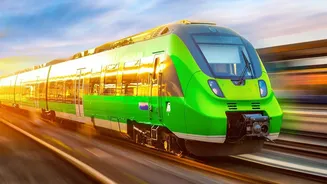
The 'Hydrogen for Heritage' project is a key component of Indian Railways' broader mission to become a net-zero carbon emitter by 2030 and supports India’s national climate goals, including achieving net-zero by 2070. By investing in homegrown hydrogen technology, the initiative aligns with the 'Atmanirbhar Bharat' vision, promoting domestic innovation and reducing dependence on imported fossil fuels. While Germany and China are also deploying hydrogen trains, India's indigenously built 10-coach train is among the longest and most powerful of its kind globally, placing the nation at the forefront of this emerging technology. It's a bold step that showcases how a country can honour its rich past while simultaneously building a sustainable future.