







The Humble Spice's Potent Power
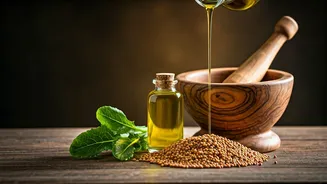
Fenugreek, or methi, is a staple in Indian kitchens, beloved for its distinctively bitter-sweet flavour in everything from dals and curries to parathas. But beyond its culinary uses, these small, golden-brown seeds have been a cornerstone of traditional
Ayurvedic medicine for centuries. The practice of soaking them overnight and drinking the infused water in the morning is a time-honoured wellness ritual. Today, modern nutrition is catching up to this ancient wisdom, exploring the scientific reasons why this simple concoction might be an effective tool against the pervasive issue of daily exhaustion that affects so many of us.
The Blood Sugar Connection to Energy
One of the primary reasons you might feel tired is fluctuating blood sugar levels. A meal high in refined carbohydrates can cause a rapid spike in blood sugar, followed by a sharp crash that leaves you feeling drained and foggy. This is where fenugreek water shines. Methi seeds are incredibly rich in soluble fibre, particularly a compound called galactomannan. This fibre slows down the digestion and absorption of carbohydrates and sugar. By promoting a more gradual release of glucose into the bloodstream, it helps prevent those dramatic energy peaks and valleys. A stable blood sugar level throughout the day translates to more consistent, sustained energy, effectively warding off that dreaded mid-afternoon slump.
An Iron Boost for Your Blood
Another common culprit behind persistent fatigue, especially among women, is iron-deficiency anaemia. When your body lacks sufficient iron, it cannot produce enough haemoglobin, the protein in red blood cells responsible for carrying oxygen to your tissues and muscles. Without adequate oxygen, your body struggles to function efficiently, leading to weakness, shortness of breath, and chronic tiredness. Fenugreek seeds are a good plant-based source of iron. Regularly consuming soaked fenugreek water can contribute to your daily iron intake, helping to replenish stores and support healthy haemoglobin production. This, in turn, improves oxygen transport and can significantly boost your energy levels and overall vitality.
Beyond Beating Tiredness
While its effect on fatigue is a major draw, the benefits of methi water don't stop there. The same soluble fibre that helps with blood sugar also aids digestion, promoting regular bowel movements and alleviating issues like bloating and constipation. Some studies suggest that fenugreek can help in managing cholesterol levels by reducing the absorption of 'bad' LDL cholesterol. Furthermore, its anti-inflammatory properties and rich antioxidant profile may contribute to healthier skin by combating free radical damage. Many also find that the leftover soaked seeds, which become soft and chewy, are a great addition to salads or can be lightly sautéed for a nutritious boost.
Your Simple How-To Guide
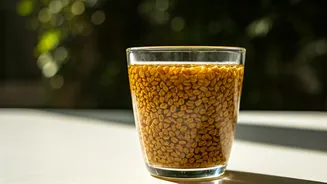
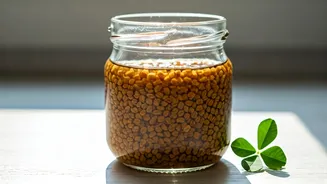
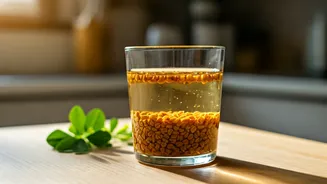
Making this wellness drink is incredibly simple. Take one to two teaspoons of fenugreek seeds and rinse them thoroughly. Add them to a glass of clean, room-temperature water (about 250 ml). Cover the glass and let the seeds soak overnight for at least 8 hours. In the morning, the water will have turned a pale yellow and the seeds will have softened and swelled. The best time to consume this is on an empty stomach first thing in the morning. You can strain the water and drink it, or drink it along with the seeds. If you find the taste too bitter initially, you can start with a smaller quantity of seeds and gradually increase it.
Important Precautions to Note
Despite its benefits, fenugreek water isn't for everyone. Due to its strong effect on blood sugar, individuals on diabetes medication should consult their doctor before starting, as it may interfere with their treatment. Similarly, because fenugreek can have blood-thinning effects, those on anticoagulant drugs should exercise caution. Some people may experience minor digestive discomfort like gas or diarrhoea when they first start. It's also generally advised that pregnant women avoid consuming fenugreek in large quantities as it has been traditionally known to induce contractions. As with any wellness practice, moderation is key.