




Packing Heavy Cottons and Denim
It's the most frequent mistake travellers make. Your favourite jeans and comfortable cotton t-shirts are liabilities in the monsoon. Once damp, they take forever to dry in the high humidity, become heavy, and can develop a musty odour. Instead, opt for lightweight,
synthetic, quick-dry fabrics like polyester or nylon. These materials wick moisture away from your body and will actually dry overnight in a ventilated room, meaning you can pack less and stay comfortable. Always carry a spare set of clothes sealed in a waterproof bag.
Choosing the Wrong Footwear
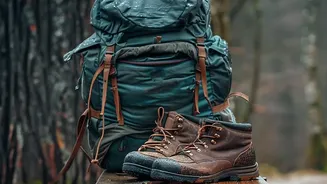
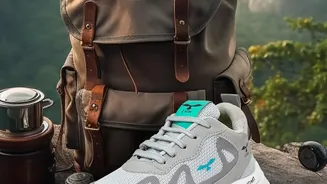
Slippery, muddy, and uneven trails are a given. Wearing regular sneakers, sports shoes, or casual sandals is a recipe for a fall. These shoes lack the necessary grip for wet, rocky surfaces. The cardinal error is wearing brand-new shoes without breaking them in first, which often leads to painful blisters. Invest in a pair of waterproof trekking shoes with deep lugs for excellent grip. Make sure you've worn them a few times before your trip. A pair of rubber floaters or flip-flops is great for relaxing at your hotel but shouldn't be used for any serious walking.
Thinking One Layer of Waterproofing Is Enough
A 'waterproof' backpack alone won't cut it. The Indian monsoon is relentless, and water finds a way into everything. A common blunder is assuming a rain cover for your bag is sufficient. For a truly worry-free trip, you need a multi-layered defence. Start with a reliable rain jacket or poncho for yourself. Use a rain cover for your backpack. But the most crucial step is waterproofing your essentials inside the bag. Use dry bags or even simple zip-lock bags to protect your electronics, wallet, documents, and spare dry clothes. This compartmentalised approach ensures that even if the outer bag gets damp, your critical items remain perfectly dry.
Underestimating Leeches and Insects
The same conditions that make the Ghats lush and green are perfect for leeches. Many travellers are unprepared for these bloodsuckers, which can cause panic and discomfort. While leech bites are generally not dangerous, the bleeding can be persistent due to the anticoagulant they inject. For prevention, you can wear leech-proof socks or tuck your trousers tightly into a double layer of regular socks. Some trekkers also apply repellents like DEET. It's also wise to carry a basic first-aid kit with antiseptic, as small cuts can easily get infected in the damp climate.
Forgetting Your Electronics' Safety
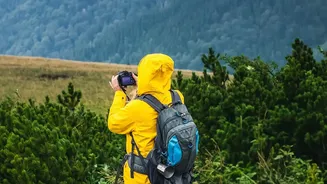
Aside from water damage, another common issue is a lack of power. Power cuts can be frequent during the monsoon in remote areas. Relying solely on a wall socket to charge your phone and camera is a mistake. Always carry a fully charged power bank. To protect your gear from the rain, use dedicated waterproof pouches for your phone. For cameras, a rain sleeve is a worthwhile investment. Even simple zip-seal bags can offer a good degree of protection against splashes and spray. The goal is to keep your devices dry and powered up so you can capture the beauty around you without worry.
Overpacking and Lugging a Heavy Bag
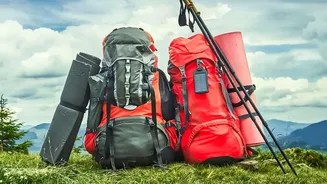
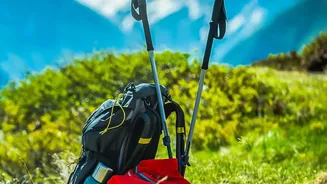
When faced with uncertainty, the temptation is to pack for every possible scenario, resulting in a heavy, bulky bag. This is a significant error, especially if your trip involves any amount of trekking. A heavy backpack is a strain on wet and slippery trails, increasing fatigue and the risk of a fall. The key is to pack smart, not more. Choose multi-purpose items. By packing quick-dry clothes, you can wash and re-wear them, reducing the number of outfits you need. Remember that you have to carry everything you bring, and a lighter pack makes for a much more enjoyable and safer adventure.