

An Evening With the Brightest Planet
Venus, often called the 'Evening Star', puts on a spectacular show this month. It reaches its peak brightness on September 22, blazing in the southwestern sky just after sunset. Through a telescope, you'll be surprised to see it as a slender crescent,
despite being at its most luminous. This is because its closeness to Earth at this point in its orbit makes its apparent size larger, compensating for the smaller illuminated area. Early in the month, on September 1, Venus has a close encounter with Spica, the brightest star in the constellation Virgo, creating a beautiful pairing low in the west.
The Perfect Time for Stargazing
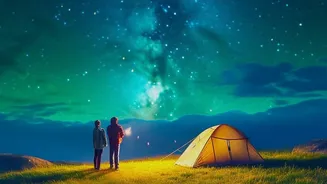
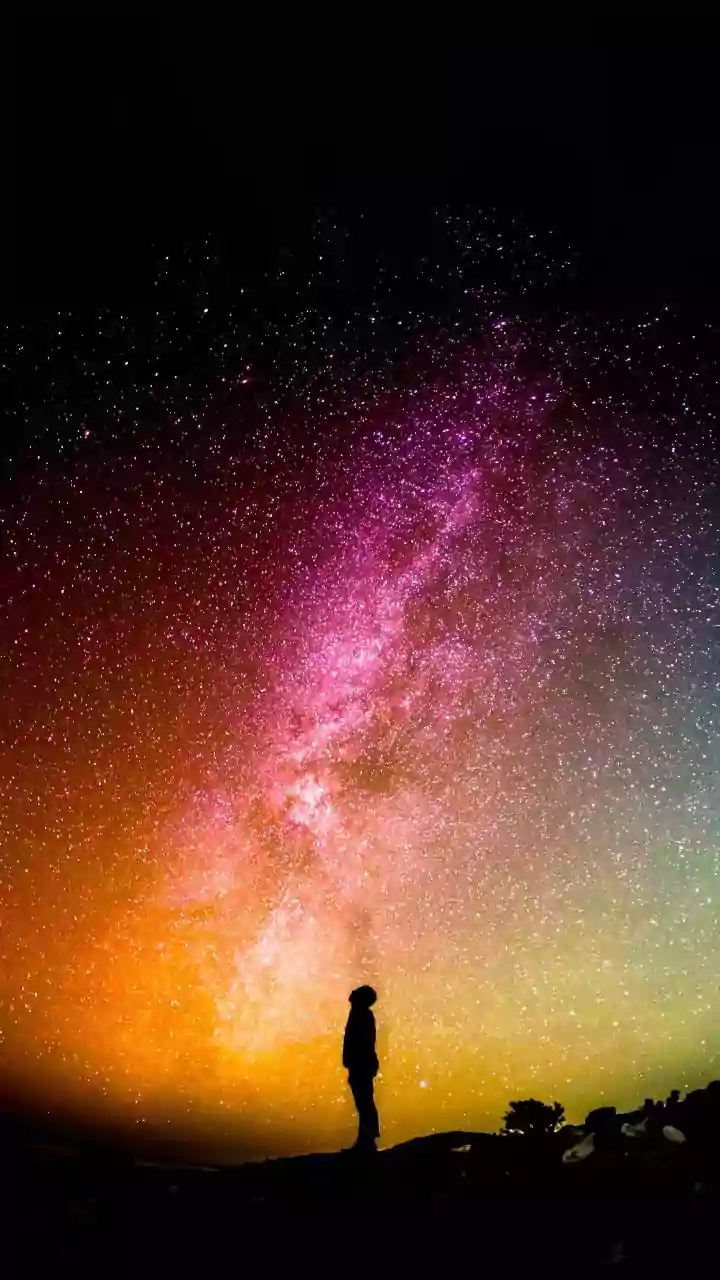
Mark your calendar for September 11, the date of the New Moon. On and around this night, the Moon's absence from the sky creates the darkest conditions, ideal for deep-sky viewing. This is the best opportunity all month to escape city lights and gaze upon the faint, hazy band of the Milky Way, or to try and spot distant star clusters and nebulae. For those in India, this period offers a prime window to explore the cosmos without moonlight interference, a perfect time for both seasoned astronomers and curious beginners.
A Dance of the Moon and Planets
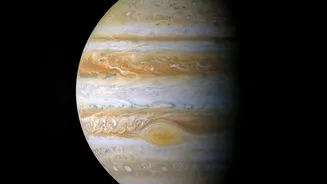
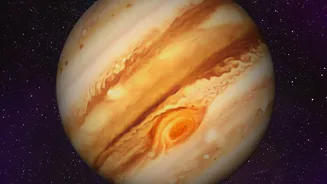
September is filled with lovely celestial meet-ups. On the mornings of September 6 and 7, look towards the east before dawn to see a waning crescent Moon glide past a faint Mars. Just a day later, on September 8, the Moon will have a close conjunction with the giant planet Jupiter, creating a striking duo in the pre-dawn hours. These alignments offer a wonderful chance to track the movements of our solar system neighbours from one night to the next, easily visible to the naked eye.
The Autumnal Equinox Arrives
While not a viewing event in itself, the Autumnal Equinox on September 23 is a significant celestial milestone. On this day, the Sun shines directly on the equator, and day and night are of nearly equal length across the globe. For observers in the Northern Hemisphere, it marks the official beginning of autumn. This means the nights will start growing longer than the days, providing more precious hours of darkness for skywatching in the months to come.
A Double Feature: The Harvest Moon and Neptune
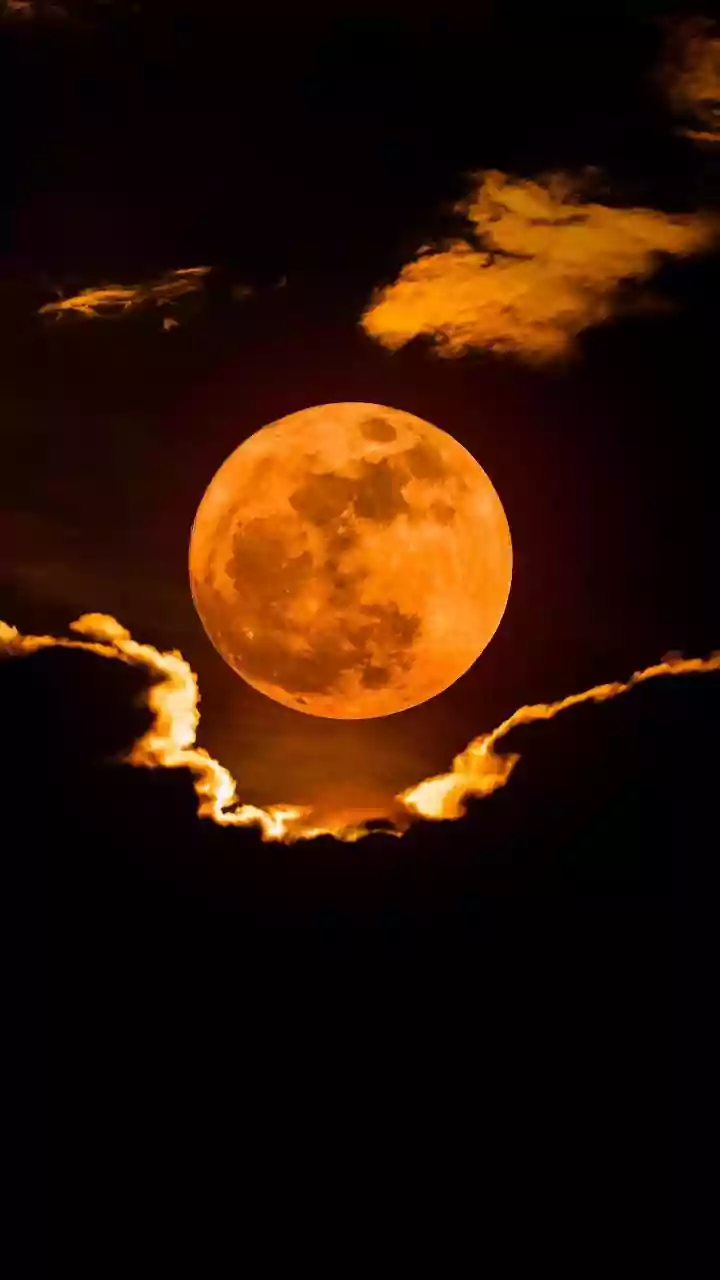
September 26 offers a special double bill for skywatchers. Firstly, it’s the night of the Full Harvest Moon. This is the full moon closest to the Autumnal Equinox, named for the bright moonlight that traditionally helped farmers gather their crops late into the evening. Look for it to rise in the east around sunset, appearing large and golden. On the very same night, the distant ice giant Neptune reaches opposition. This is when Earth is directly between Neptune and the Sun, making the planet appear at its brightest and closest for the year. You'll need a telescope to spot its tiny, blue-grey disc in the constellation Pisces, but it's a rewarding challenge for dedicated observers.
The Ringed Planet's Grand Appearance
While its opposition isn't until early October, Saturn is already a magnificent target throughout September. The iconic ringed planet will be visible for most of the night, rising in the evening and offering excellent views. After its rings appeared nearly edge-on in 2025, they have opened up again, making them a more impressive sight through a telescope. Look for a steady, yellowish point of light. Even a small telescope can reveal the rings that make Saturn one of the most beloved sights in the solar system.