




1. Gaganyaan: India’s Giant Leap for Humankind
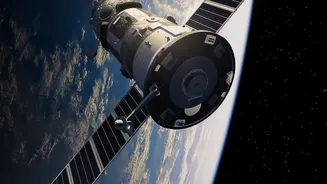
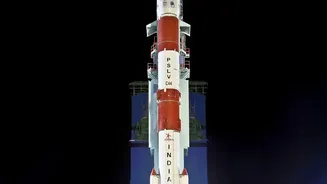
The most anticipated mission is undoubtedly Gaganyaan, India's first human spaceflight program. The goal is to send a crew of three Indian astronauts, called 'Gaganyatris,' into a 400-km orbit for three days and bring them back safely. After numerous
successful uncrewed test flights and safety validations throughout 2025 and 2026, the first crewed flight is inching closer. While the official date is yet to be finalised, a late 2027 or 2028 timeline seems likely, as ISRO prioritises crew safety above all else. This mission will make India the fourth nation to independently send humans to space, cementing its status as a major space power and opening doors for a future Indian space station.
2. Chandrayaan-4: Bringing a Piece of the Moon to Earth
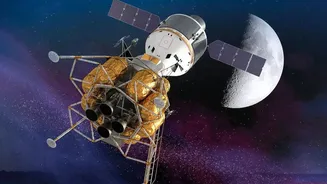
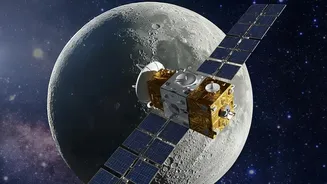
Building on the spectacular success of Chandrayaan-3, ISRO is now aiming for an even more complex goal: a lunar sample return mission. Chandrayaan-4 is designed to soft-land on the Moon, collect surface samples with a robotic arm, and then launch a module back to Earth with the precious cargo. The mission, slated for launch around 2027 or 2028, will require multiple launches and complex in-orbit docking manoeuvres. Successfully bringing back lunar soil will provide Indian scientists with pristine material to study the Moon's origins and resource potential, a capability only a handful of nations possess.
3. Shukrayaan-1: Unveiling the Secrets of Venus
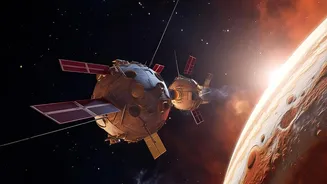
After conquering the Moon and studying the Sun, ISRO has set its sights on Venus. Shukrayaan-1, India’s first Venus Orbiter Mission, aims to study the mysterious planet's thick, toxic atmosphere and volcanic surface. Though often called Earth’s “twin” due to its similar size, Venus is a scorching-hot world shrouded in sulfuric acid clouds. Scheduled for a 2028 launch, Shukrayaan-1 will carry instruments to map the Venusian surface and analyse its atmospheric chemistry, helping scientists understand why Earth and Venus evolved so differently. International partners, including Sweden, are collaborating on scientific payloads for the mission.
4. Mangalyaan-2: India’s Ambitious Return to Mars
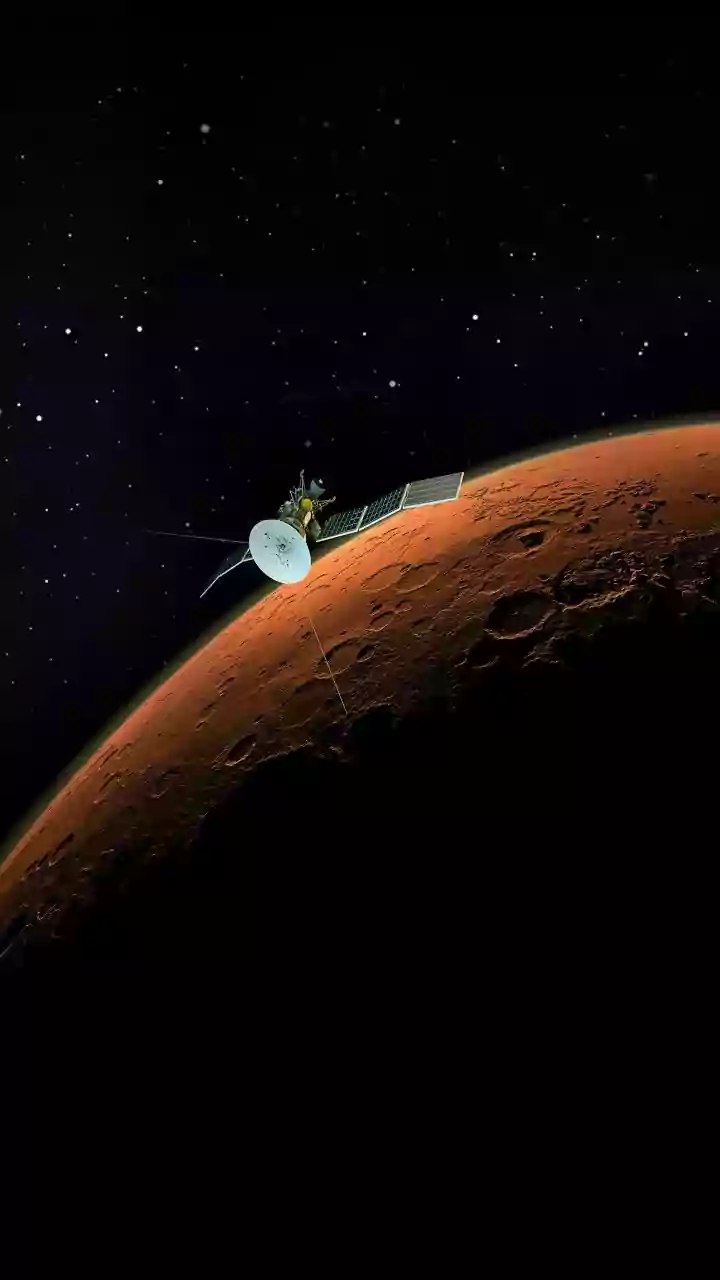
Following the phenomenal success of the Mars Orbiter Mission (Mangalyaan), ISRO is planning a more audacious follow-up. Tentatively named Mangalyaan-2, this mission aims to land on the Martian surface for the first time. Unlike its orbiter-only predecessor, the mission architecture includes a lander and potentially a rover and a helicopter. Planned for a launch around 2030, Mangalyaan-2 will investigate Mars' geology and atmosphere from the ground. A successful landing would make India only the fourth country to achieve this feat, marking a giant leap in its interplanetary exploration capabilities.
5. LUPEX: A Collaborative Hunt for Lunar Water
The Lunar Polar Exploration Mission (LUPEX), or Chandrayaan-5, is a joint venture between ISRO and the Japan Aerospace Exploration Agency (JAXA). Scheduled for no earlier than 2028, the mission will explore the Moon’s permanently shadowed south pole for water ice. For this ambitious project, ISRO is developing the lander that will safely deliver a JAXA-built rover to the lunar surface. The rover will then drill into the surface to confirm the presence and quantity of water, a crucial resource for future long-term human presence on the Moon.
6. NISAR: A Sharp-Eyed Watcher of Planet Earth
The NASA-ISRO Synthetic Aperture Radar (NISAR) is a powerful Earth-observation satellite and a testament to India-US space collaboration. Launched in July 2025, the satellite is already providing unprecedented data on changes in Earth's land and ice surfaces. Using two different radar frequencies, NISAR can measure subtle surface changes with incredible precision, helping to monitor everything from glacier melt and volcanic activity to soil moisture and deforestation. This mission provides crucial data for managing natural disasters, understanding climate change, and ensuring resource security.
7. SPADEX: Mastering the Art of Space Docking
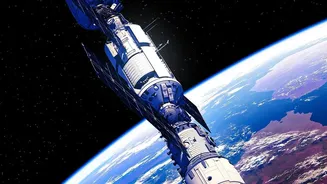
The Space Docking Experiment (SPADEX) might sound less glamorous than a planetary mission, but it is a critical technology demonstrator. Having successfully completed its first docking and undocking manoeuvres in early 2025, ISRO proved its capability to join two spacecraft in orbit. This technology is a fundamental building block for future ambitions, including assembling the Bharatiya Antariksh Station (Indian Space Station) by 2035, conducting long-duration human missions, and enabling complex operations like the Chandrayaan-4 sample return. Future SPADEX missions will test even more complex procedures.