



A Galaxy with a Turbulent History
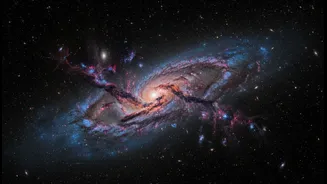
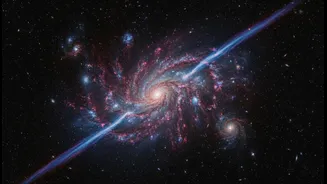
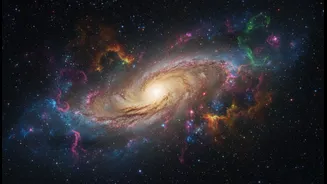
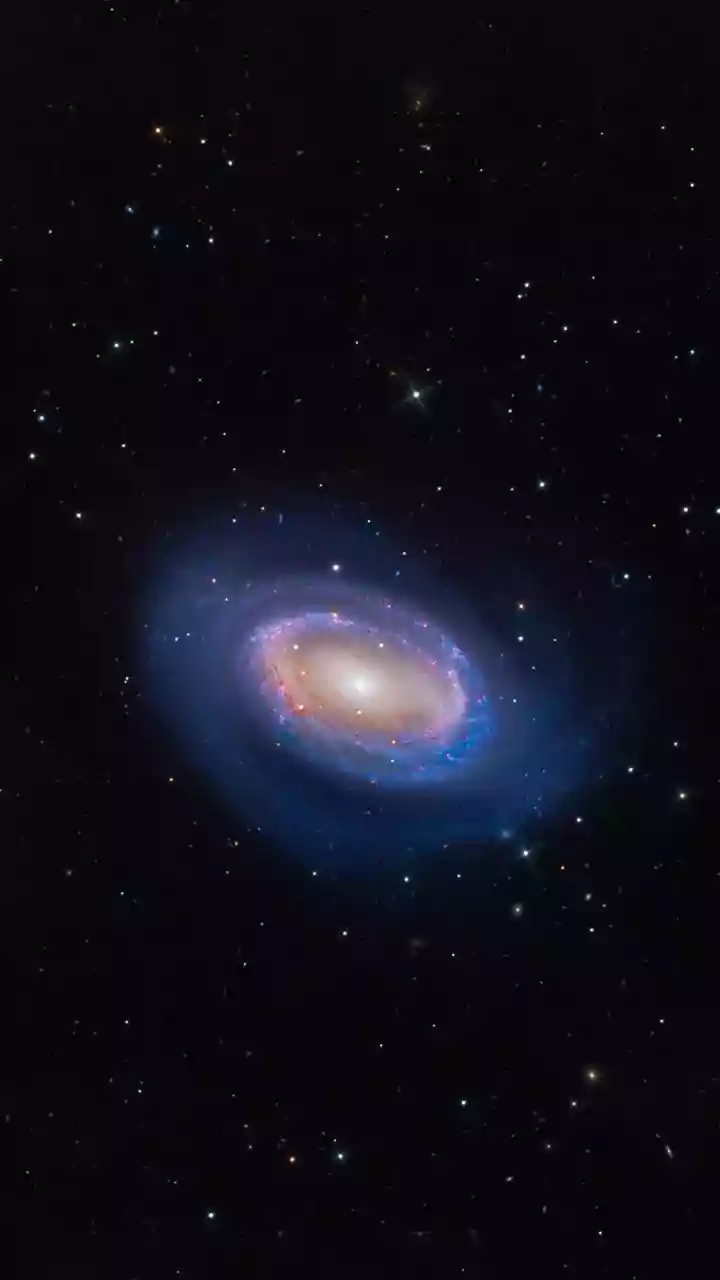
Centaurus A is not your typical quiet, spiral galaxy. It's known as an active galaxy, and for good reason. Astronomers have long known it’s the product of a massive cosmic collision that occurred around two billion years ago, when a large spiral galaxy and a smaller
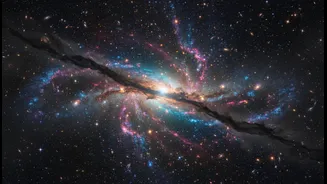
one merged. This galactic smash-up left Centaurus A with its distinctive, distorted shape, a warped central disc of gas and dust, and a supermassive black hole at its core that is actively feasting on surrounding material. Because it’s relatively close to us, it serves as a perfect laboratory for studying the dramatic processes that shape galaxies across the universe.
Piercing the Cosmic Veil
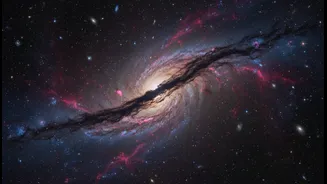
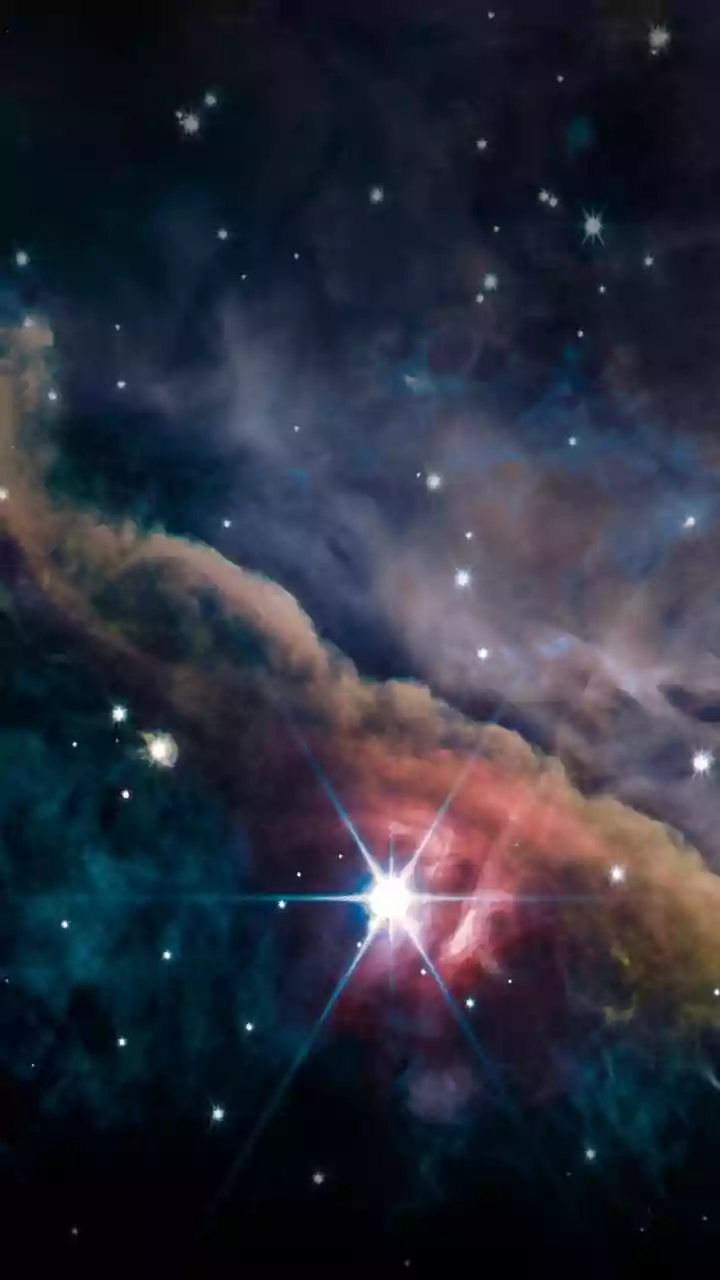
For years, the dense dust lanes at the heart of Centaurus A have acted like a curtain, blocking the view of telescopes like Hubble that see in visible light. Previous infrared observatories like the Spitzer Space Telescope could detect the warm glow of this dust but lacked the sharpness to see fine details. This is where the James Webb Space Telescope (JWST) changes the game. Its advanced infrared instruments can cut through the obscuring dust, allowing it to do something remarkable: resolve millions of individual stars that were previously just a hazy blur. What looked like a grainy glow is now revealed to be a densely packed tapestry of stars.
Galactic Archaeology in Action
This newfound ability to see individual stars turns astronomers into galactic archaeologists. By studying the different types and ages of stars, they can build a detailed timeline of Centaurus A's evolution. They can now identify which stars existed before the collision, which were born in the fiery chaos of the merger, and which have formed more recently from the leftover gas and dust. Each star is a data point, helping to reconstruct the sequence of events that shaped this complex galaxy. It's like reading the rings of a tree, but instead of seasons, it tells a story of cosmic catastrophe and rebirth written across billions of years.
The Black Hole's Dual Nature
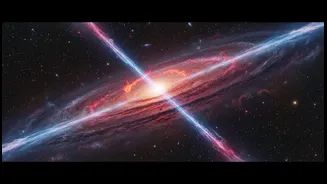
At the center of Centaurus A is a supermassive black hole, and Webb's new observations are providing stunning clarity on its role. The data reveals a complex, almost contradictory, relationship with its host galaxy. On one hand, the black hole is launching powerful jets of energy and blasting gas outwards, a process that can halt star formation by clearing out the necessary raw materials. On the other hand, the pressure and energy from this activity can compress surrounding clouds of gas, triggering the birth of new stars. Webb’s data shows both processes happening, revealing the black hole as both a creator and a destroyer, locked in a delicate dance that governs the galaxy's life cycle.
Mysteries Old and New
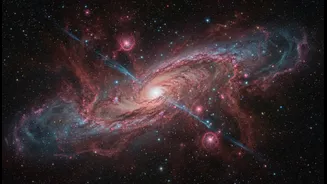
The incredible new images have also highlighted bizarre structures that were previously invisible. The warped band of dust forms a distinct parallelogram shape, and even more mysteriously, a faint, S-shaped ribbon of material seems to curl around the galaxy's core. Scientists are not yet sure what created these features, but they are likely linked to the lingering effects of the ancient collision and the gravitational influence of the central black hole. By measuring the movement of gas—some rotating calmly near the core, other parts being violently ejected—astronomers can begin to model the forces at play.