






The Anatomy of a Failed Meeting
We’ve all been there. The boardroom (or Zoom room) is full, but engagement is low. Ideas are shared, but the designated note-taker struggles to capture every nuance. By the next day, momentum is lost. Who agreed to what? What was the deadline? The minutes,
if they ever arrive, are a subjective summary, not a blueprint for action. This traditional meeting structure is a black hole for productivity. It relies on imperfect human memory and manual processes, creating a massive gap between discussion and execution. The result is a cycle of follow-up emails and status-check meetings that could have been avoided if the initial conversation had been properly leveraged.
Enter the AI Scribe: Not Just a Note-Taker
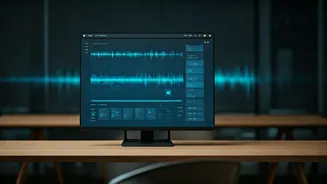
An AI scribe is an intelligent software tool that joins your meetings to automatically transcribe, summarise, and analyse the conversation. Unlike simple dictation apps, these platforms are far more sophisticated. They use natural language processing (NLP) to identify different speakers, detect keywords and topics, and understand the context of the discussion. Think of it as a super-powered assistant that never gets tired. Key features often include speaker diarization (who said what), automatic chaptering of the meeting based on topics discussed, and the ability to search the entire transcript for specific terms. The raw output isn't just a wall of text; it's a structured, searchable record of the entire conversation.
From Raw Conversation to Actionable Data
Here is where the real magic happens. The most powerful AI scribes do more than just record what was said; they interpret intent. They are trained to identify commitments, decisions, questions, and, most importantly, action items. When a manager says, “Anjali, can you please have the Q3 report ready by Friday?”, the AI doesn't just transcribe the words. It flags this as a task, assigns it to ‘Anjali’, and notes the deadline. This transforms a fleeting verbal exchange into a concrete piece of data. Suddenly, your meeting isn’t just a conversation; it’s a data-generation event. Every discussion point becomes a potential entry in a project plan, complete with owners and timelines.
Connecting the Dots: The Active Dashboard
An AI scribe working in isolation is useful, but its true power is unlocked through integration. Most leading platforms can connect directly with popular project management and collaboration tools like Asana, Jira, Trello, Slack, or Microsoft Teams. This is how you turn a “bored boardroom” into an “active project dashboard.” The action item identified in the meeting—Anjali’s Q3 report—can be automatically sent to the team’s Asana board as a new task, assigned to her with the correct due date. Decisions made can be logged in a shared Confluence page. Key discussion summaries can be posted to a relevant Slack channel. The dashboard updates itself based on what was actually discussed, creating a living, breathing reflection of the team's commitments without anyone having to manually copy and paste information.
Fostering a Culture of Accountability
Implementing this technology is about more than just efficiency; it’s a cultural shift. When everyone knows that commitments are being captured and tracked automatically, accountability naturally increases. There is no more, “I don’t remember agreeing to that.” The searchable transcript provides a single source of truth. This transparency can be intimidating at first, so it’s crucial to frame it as a tool for support, not surveillance. The goal is to eliminate ambiguity and help everyone stay aligned, reducing the mental load of remembering every detail and freeing up cognitive space for more creative, strategic work. It shifts the focus from remembering what was said to executing on what was agreed.
Getting Started: Best Practices
Ready to make the leap? Start small. Pilot an AI scribe with a single project team that is open to experimenting with new tools. Be transparent about its purpose and always inform external participants that the meeting is being recorded and transcribed by an AI. When choosing a tool, look for robust integration capabilities, strong security and privacy policies, and high transcription accuracy. Most importantly, train your team to speak clearly and explicitly state action items. The clearer the input, the more accurate the AI’s output will be. The ultimate aim is to make meetings shorter, more focused, and directly linked to tangible outcomes.