



The Allure of Imperfection
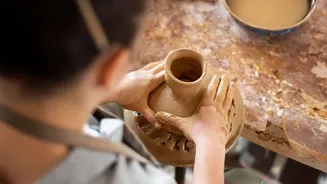
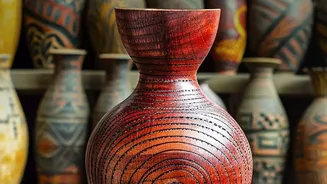
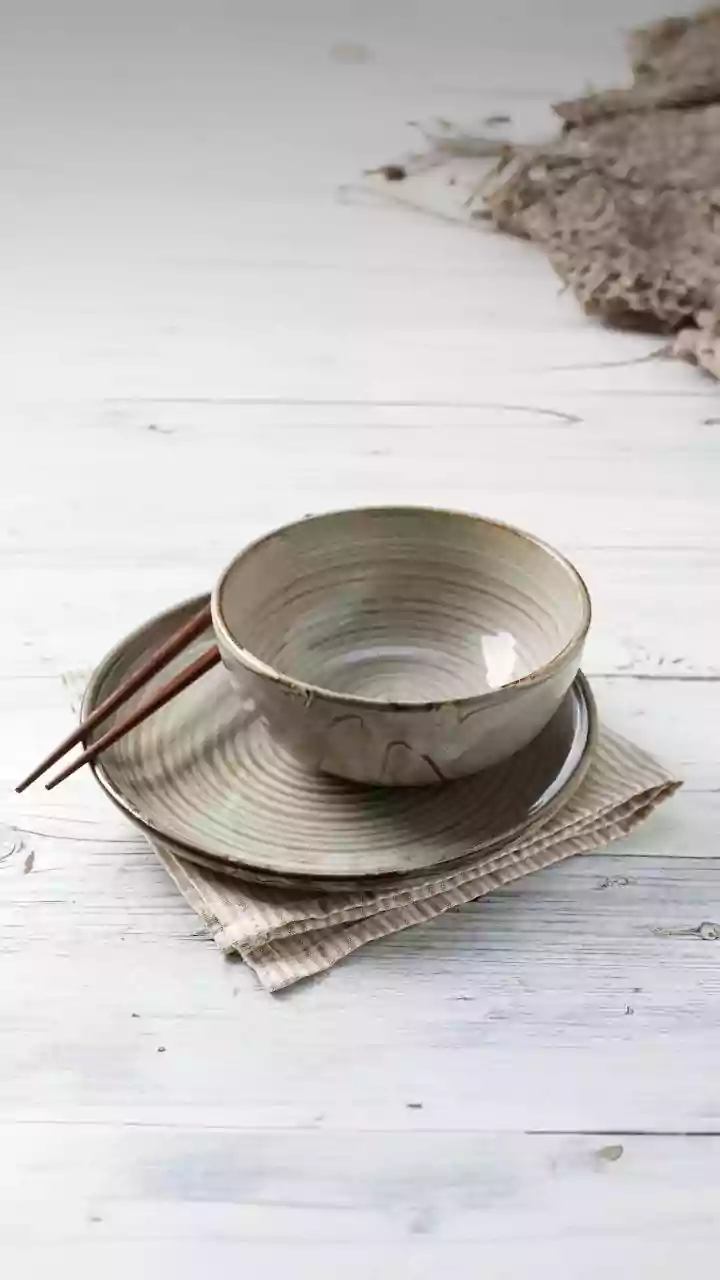
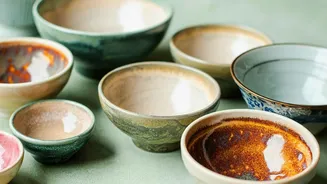
One of the biggest draws of handmade earthenware is its inherent uniqueness. Unlike a perfectly uniform mug from a big-box store, a hand-thrown piece carries the marks of its maker. Slight variations in shape, texture, and glaze are not defects; they
are the object's personality. This appreciation for flaws is central to the Japanese philosophy of 'wabi-sabi', which finds beauty in imperfection and impermanence. An object that shows the touch of a human hand feels more authentic and alive, transforming it from a mere product into a piece with a story. This visible effort and character create a stronger emotional connection, making us value the item more and treat it with greater care.
A Connection to the Maker
Choosing handmade earthenware is a vote for human connection. Each piece tells a story not just of clay and fire, but of a person's skill, time, and creative energy. In an age of anonymous supply chains, knowing that an artisan shaped your bowl or mug fosters a sense of intimacy that mass production cannot replicate. This has sparked a revival for studio pottery in India, with contemporary artists like Rekha Goyal, Kritika Soni of Kara Sabi, and Tanushree Singh of Lacuna Studio blending traditional techniques with modern aesthetics. Their work bridges the gap between functional craft and sculptural art, creating pieces that are both useful and deeply expressive. By supporting these creators, consumers are not just buying a product; they are participating in a culture of craftsmanship.
Rooted in Wellness and Sustainability
The appeal of earthenware also extends to health and environmental consciousness. Traditional terracotta and clay pots are celebrated for their natural, non-toxic properties. Clay is alkaline, which means it can help neutralize the acidity of foods, and its porous nature allows heat and moisture to circulate evenly. This slow-cooking process can enhance flavour and helps retain the food's nutrients without requiring as much oil. From a sustainability perspective, earthenware is a clear winner. Made from the earth itself, these products are biodegradable and have a minimal environmental footprint compared to industrially manufactured goods. Choosing these items is a small but meaningful way to embrace a more eco-friendly lifestyle.
More Than Just a Pot
Ultimately, the enduring appeal of handmade earthenware speaks to a deeper modern desire. It represents a conscious move away from the fast, disposable, and impersonal. In a hyper-digital world, the earthy, tactile quality of a clay pot connects us back to nature and to ourselves. Owning an object that is imperfect, made by a real person, and crafted from natural materials feels like an act of mindfulness. It encourages a slower, more intentional way of living. Psychologists note that we tend to form stronger emotional bonds with items that show evidence of human effort, sometimes called the 'IKEA effect', where the visible work increases the object's perceived value. A handmade piece is not just an object; it's a small anchor of authenticity in our daily lives.