




Inspect Tyres for Tread and Pressure
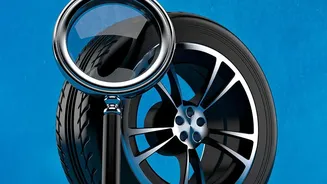
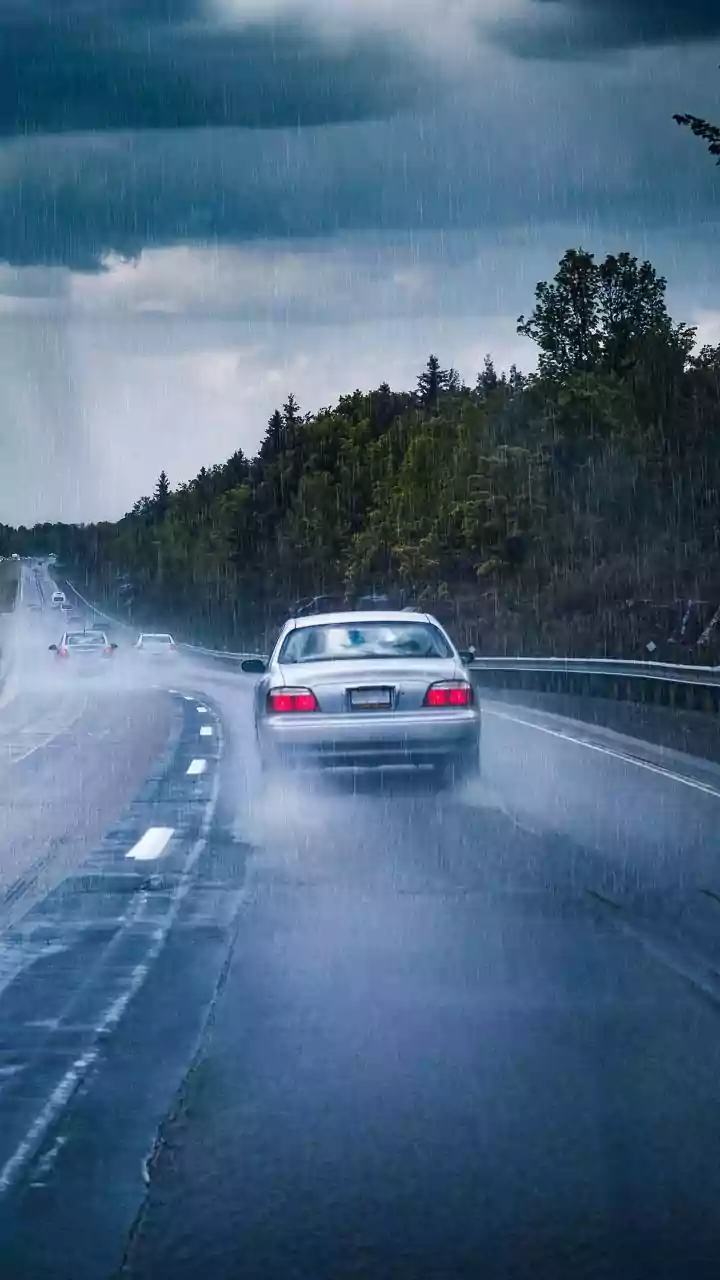
Your tyres are your car's only contact with the road, making them the most critical safety component in the rain. Wet roads dramatically increase the risk of skidding and hydroplaning, which occurs when a layer of water builds between the tyres and the road surface,
causing a loss of control. Before your trip, ensure your tyre tread depth is well above the minimum recommendation; experts suggest at least 3mm for monsoon conditions. Also, check the tyre pressure, including the spare. Incorrect pressure affects grip, braking, and handling, all of which are vital on slippery surfaces.
Test Your Brakes Thoroughly
Braking efficiency is significantly reduced on wet roads, with stopping distances potentially increasing two to three times compared to dry conditions. It is crucial to have your braking system inspected before any long drive in the monsoon. Listen for any squeaking or grinding noises and pay attention to any vibrations or a pedal that feels spongy—these are signs that your brake pads or fluid may need attention. After driving through a waterlogged area, gently tap your brakes a few times to help dry them out and restore normal performance.
Ensure Wipers and Washers Work Flawlessly
Clear visibility is paramount during a downpour. Old, hardened, or cracked wiper blades will only smear water across the windshield, dangerously obscuring your view. If your wipers leave streaks or skip across the glass, it's time to replace them. Don't forget to top up your windshield washer fluid, as you'll need it to clean off the mud and grime frequently splashed onto your screen by other vehicles. Also, check that the spray nozzles are not clogged.
Check All Your Lights
In heavy rain and low-light conditions, it's just as important to be seen as it is to see. Conduct a full check of all your vehicle’s lights: headlights, tail lights, brake lights, and indicators. Clean any dirty or cloudy headlamp covers to ensure maximum brightness. Using low-beam headlights during the day in heavy rain makes your vehicle much more visible to other drivers. Avoid using high beams, as they reflect off raindrops and can worsen visibility for both you and oncoming traffic.
Verify the Battery and Electricals
The monsoon's high humidity and moisture can wreak havoc on a car's electrical systems and battery. An older battery is more likely to fail in damp conditions. Before you leave, have your battery's health checked, and ensure the terminals are clean, free of corrosion, and securely connected. Driving through waterlogged streets can expose wiring and fuses to moisture, potentially leading to short circuits, so a pre-trip inspection is a wise investment.
Service the Air Conditioning System
Your car's air conditioning system does more than just cool the cabin; it plays a crucial role in preventing the windshield from fogging up. High humidity during the monsoon can quickly cause the inside of your glass to become misty, severely impairing vision. Ensure your AC is working correctly and use the defogger setting to maintain a clear view. A clean cabin air filter will also improve the system's efficiency.
Assemble a Monsoon Emergency Kit
Even with perfect preparation, unexpected situations can arise. Being stranded on a highway during a downpour is far less stressful with an emergency kit. Your kit should be tailored for the monsoon and include essentials like a powerful flashlight with extra batteries, a first-aid kit, a reflective warning triangle, and jumper cables. It’s also wise to pack a tow rope, an umbrella, a towel, non-perishable snacks, and a portable phone charger or power bank to stay connected.