
The Ghost of a Sun
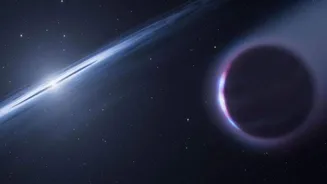
At the heart of this discovery is a white dwarf, the collapsed core left behind after a star like our Sun exhausts its nuclear fuel. Think of it as a star's ghost: incredibly dense, intensely hot, and only a fraction of its former size. When a sun-like
star dies, it doesn't just quietly fade away. It first swells into a massive red giant, a phase so destructive it engulfs and vaporises any inner planets in its path, likely including worlds like Earth in our own solar system's distant future. After this violent expansion, the star sheds its outer layers, leaving the white dwarf behind. For a long time, this was considered the epilogue for a planetary system.
A Cosmic Cold Case
The clue that something new might be happening came from a cosmic cold case. Decades-old observations of a white dwarf named HS 0209+0832, taken by the Hubble Space Telescope, showed strange chemical signatures that couldn't be identified at the time. Recently, astronomers revisited this data with updated tools and made a breakthrough. They found high levels of an element called niobium, a substance that had never been seen in a white dwarf before. Niobium, along with other heavy elements detected like zinc and copper, is forged in the extreme conditions inside a dying star. Finding it polluting the atmosphere of a white dwarf was a major red flag that this wasn't just leftover debris from an old, shattered planet.
Rising From the Ashes
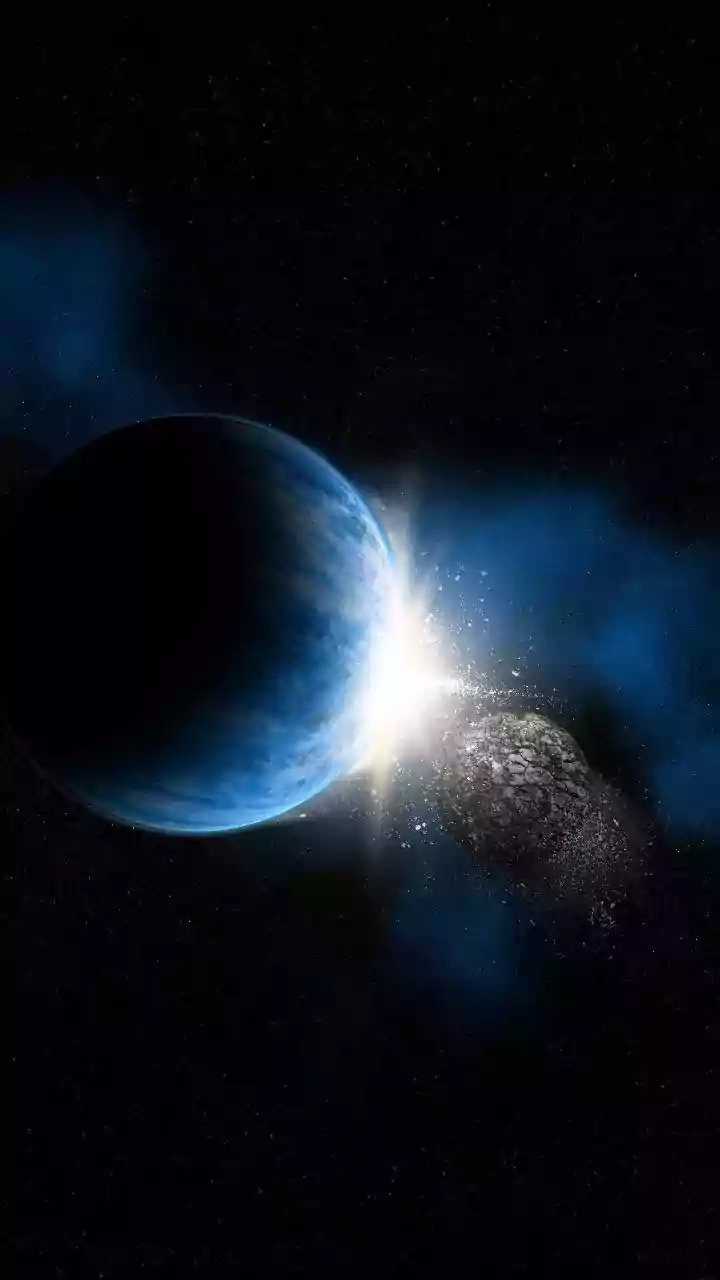
The presence of these specific elements points to a remarkable theory: the formation of a 'second-generation' planet. Unlike 'first-generation' planets like Earth, which formed from the disk of gas and dust when the Sun was born, a second-generation world forms much later. The theory suggests that after the star expelled its outer layers, some of that chemically enriched material didn't disperse into space. Instead, it formed a new protoplanetary disk around the white dwarf. From this disk of stellar remnants, a new planet could condense and take shape, literally rising from the ashes of its parent star.
A Glimpse of the New World
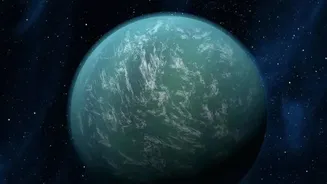
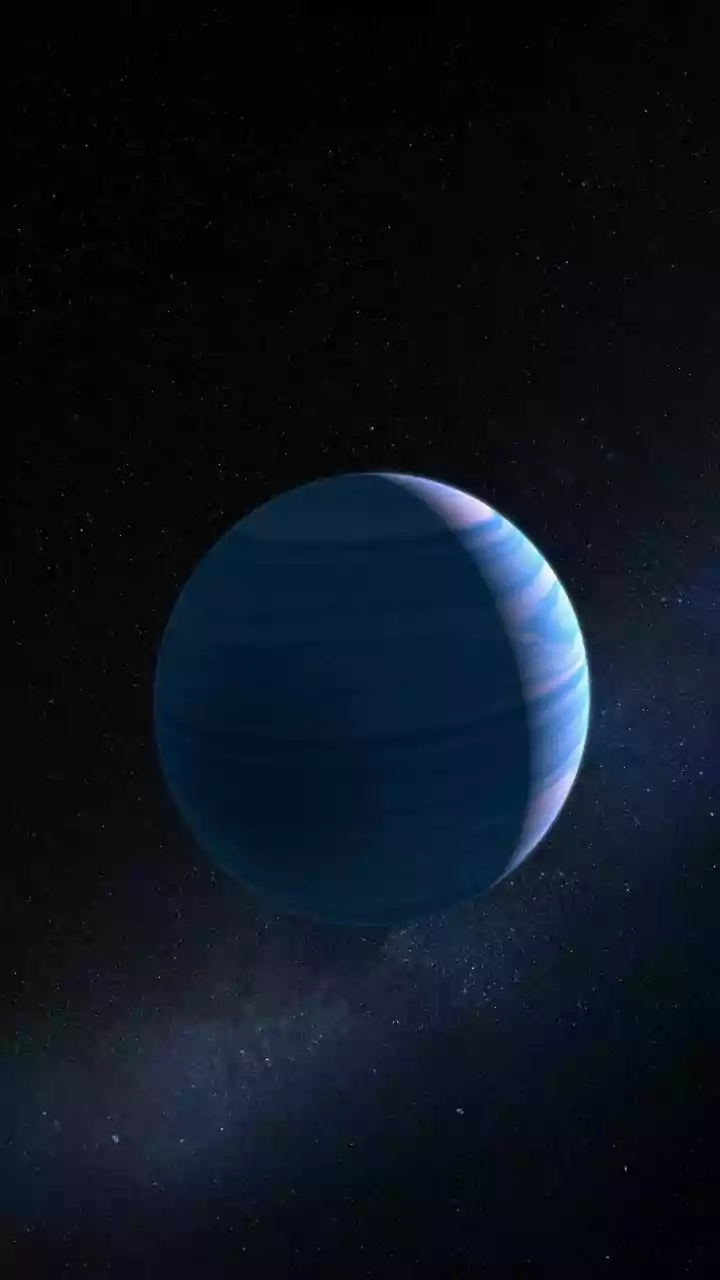
Further investigation using NASA's TESS (Transiting Exoplanet Survey Satellite) added another layer of evidence. TESS detected repeating changes in the white dwarf's brightness, a tell-tale sign of an orbiting body. The data suggests a candidate planet, roughly the size of Jupiter, whipping around the white dwarf in an incredibly tight orbit. This potential world is so close to the hot stellar remnant that its atmosphere is likely being blasted away, creating a comet-like tail of material that falls onto the white dwarf. This process of accretion would explain why elements like niobium from the planet are showing up in the star's atmosphere, giving astronomers a way to 'taste' the planet's composition.
Why This Phoenix Planet Matters
If confirmed, this would be the first discovery of a second-generation planet around a white dwarf, a much more common type of stellar remnant than the pulsars where such planets have previously been suspected. The finding completely changes our understanding of planetary timelines. It suggests that the death of a star isn't necessarily the end of its planetary story. Instead, it can be the beginning of a new chapter, with new worlds forming in a completely different environment. This cosmic cycle of destruction and recreation opens up fascinating possibilities, including whether rocky planets could form in a similar way and exist in a stable habitable zone for billions of years as the white dwarf slowly cools.