






Start With Your Skin
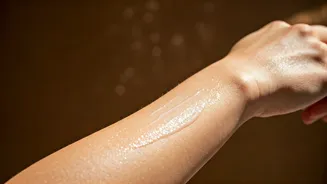
The foundation of a great makeup routine isn’t the product, but the canvas: your skin. Understanding its unique needs is the first and most important step. Is your skin oily, leaving you shiny by midday? Or is it dry, often feeling tight and flaky? Perhaps
it’s combination, with a greasy T-zone and dry cheeks. Your skin type dictates the formulas that will perform best for you. For oily skin, look for oil-free, mattifying, or long-wear products that control shine. For dry skin, hydrating, dewy, and luminous formulas with ingredients like hyaluronic acid will provide moisture and a healthy glow. If your skin is sensitive, opt for hypoallergenic and fragrance-free products to avoid irritation, and always patch-test new items. Choosing makeup that complements your skin type ensures it will look and feel better, and last longer throughout the day.
Become an Ingredient Detective
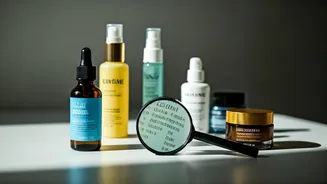
Flipping over a product to read the ingredient list can feel like you need a chemistry degree. But you only need to know a few basics to make informed choices. Ingredients are listed in descending order of concentration, so the first five or six make up the bulk of the product. Look for beneficial ingredients high up on the list. For instance, niacinamide is great for controlling oil, while hyaluronic acid and glycerin are excellent for hydration. It's also helpful to know what to avoid. Certain sulfates, parabens, and synthetic fragrances can be irritating for many people. The label uses an international system called INCI (International Nomenclature of Cosmetic Ingredients), so while names can be long and scientific, they are standardised worldwide for transparency.
Cruelty-Free, Vegan, and Clean: What It All Means
These buzzwords are everywhere, but they aren’t interchangeable. 'Cruelty-free' means the product and its ingredients were not tested on animals. Look for official certifications like the Leaping Bunny logo to be sure. 'Vegan' means the product contains no animal-derived ingredients, such as beeswax, honey, or carmine. A product can be cruelty-free but not vegan, and vice-versa. 'Clean' and 'Natural' are less regulated terms. Generally, 'clean' beauty focuses on avoiding a list of potentially controversial ingredients, while 'natural' implies ingredients are sourced from nature, though this doesn't guarantee they are organic or sustainably harvested. The term 'organic' is more regulated and means ingredients were grown without synthetic pesticides.
Choose for Your Climate and Complexion
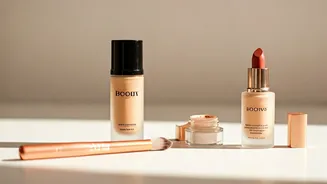
In a climate like India's, with its heat and humidity, makeup needs to be resilient. Heavy, thick formulas often melt, slide, or feel suffocating. Look for lightweight, breathable products like skin tints instead of heavy foundations, and opt for cream-based blushes and highlighters which fuse with the skin better than powders in humid weather. Waterproof or long-wear formulations for mascara and eyeliner are also essential to prevent smudging. Just as important is finding your perfect shade, which starts with understanding your undertone—the subtle hue beneath your skin. Indian skin tones are incredibly diverse, most commonly with warm, golden, or olive undertones. To check yours, look at the veins on your wrist; greenish veins often indicate a warm undertone, while bluish suggest a cool one. Swatching foundation on your jawline, not your hand, and checking it in natural light is the best way to find a seamless match.
Think Beyond the Product to the Planet
A smarter makeup choice also considers its environmental impact. The beauty industry creates a staggering amount of packaging waste every year. However, many brands are now offering more sustainable options. Look for products with minimal packaging or those made from recycled materials like post-consumer recycled (PCR) plastic. Better yet are materials that are easily recyclable, such as glass and aluminium. Refillable systems are another fantastic way to reduce waste; you buy the outer case once and only have to purchase the product refill, which often comes in minimal packaging. Materials like bamboo are also gaining popularity as a renewable and biodegradable option for packaging. By choosing brands that prioritize eco-friendly packaging, you contribute to a less wasteful beauty cycle.