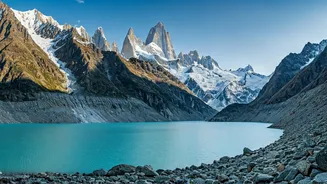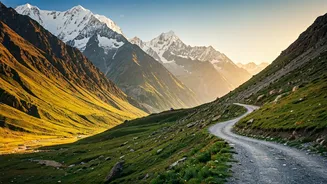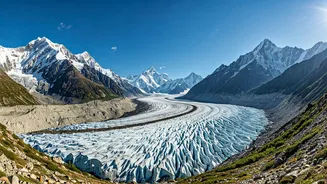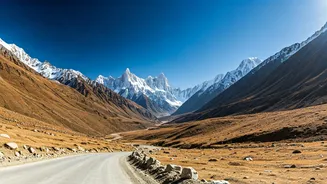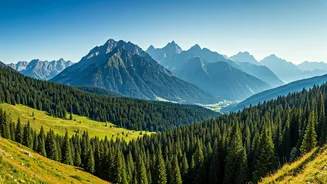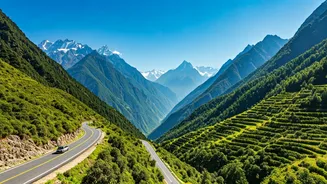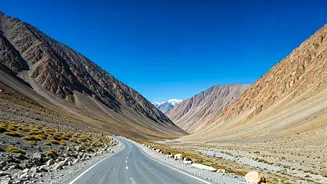






Spiti: The Middle Land Awaits
Spiti Valley, often called 'The Middle Land' as it's nestled between India and Tibet, is a cold desert mountain valley in Himachal Pradesh. [18] Its appeal lies in its raw, untouched beauty, ancient Tibetan Buddhist monasteries clinging to cliffs, and villages
that seem frozen in time. [12, 17] A road trip here isn’t just a drive; it's an expedition into a world of high-altitude passes, windswept plains, and a culture that has weathered centuries of isolation. [30] The journey is challenging, with rugged terrain and unpredictable weather, but the rewards are landscapes and experiences that are truly unforgettable. [22, 30]
Choosing Your Path: Two Routes to Paradise
There are two primary routes to enter Spiti, each offering a distinct experience. The first, and more common choice for better acclimatization, is from Shimla via Kinnaur. [18, 19] This route stays open for more of the year and offers a gradual ascent, allowing your body to adjust to the increasing altitude. [19] The journey takes you through the lush greenery of Kinnaur, with stops at picturesque villages like Sarahan, Sangla, and Kalpa, before the landscape transforms into the barren beauty of Spiti. [9, 17] The second route is the shorter, more challenging path from Manali. It crosses two high passes, Rohtang Pass (or the Atal Tunnel) and the formidable Kunzum Pass (4,551m). [18, 27] This route is only open during the summer months from roughly June to mid-October, when the snow has been cleared. [5, 22] While tougher, it offers a direct, dramatic entry into the heart of the valley. [22]
The Journey Unfolds: Key Stops and Highlights
A typical full-circuit itinerary, often starting from Shimla and exiting via Manali, takes about 9 to 12 days. [12] Key highlights on the way to Kaza, the main administrative town of Spiti, include the 1,000-year-old Tabo Monastery, known as the 'Ajanta of the Himalayas'. [12] Another must-see is the Dhankar Monastery, precariously perched on a cliff overlooking the confluence of the Spiti and Pin rivers. [9, 12] From Kaza, you can explore some of the world's highest inhabited regions. A visit to Key Monastery, the largest in Spiti, is essential. [12] You can also send a postcard from the world's highest post office in Hikkim, and see the giant Buddha statue watching over the valley in Langza. [12, 16] The journey's grand finale is often Chandratal, the 'Moon Lake', a stunning crescent-shaped lake accessible from the Manali-Kaza road. [8, 23]
Know Before You Go: Permits, Timing, and Tips
The best time for a Spiti road trip is generally from June to September, when both the Shimla and Manali routes are open and the weather is most favourable. [5, 10] For Indian nationals, no special permits are required to visit the main areas of Spiti Valley. [11, 13, 14] However, you must carry a valid government-issued photo ID for registration at various police checkposts. [13] Foreign nationals require a Protected Area Permit (PAP) to travel beyond certain points. [7] Acclimatization is crucial, so plan for a slow ascent and stay hydrated. High-clearance vehicles like SUVs are recommended, especially for the Manali-Kaza stretch, which features rough patches and water crossings. [21] While the Shimla route is more forgiving, road conditions can be unpredictable everywhere, so always check the latest status before you travel. [19, 21]