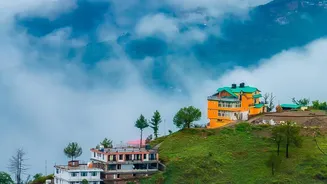







Choose Your Destination Wisely
Not all destinations are created equal during the monsoon. While the rain transforms many places into paradise, some regions become significantly more hazardous. The Himalayas and parts of the Western Ghats are particularly prone to landslides. For instance,
routes in Himachal Pradesh (like the Kullu-Manali corridor), Uttarakhand (especially the Char Dham routes), and the Sikkim-Darjeeling belt are frequently affected. Similarly, areas in the Western Ghats like the Nilgiris (Ooty-Coonoor) and parts of Kerala have a history of monsoon-related disruptions. Consider safer alternatives that offer similar monsoon charm but with better infrastructure and lower risk, such as the Konkan coast, parts of Rajasthan like Udaipur, or well-managed hill stations like Lonavala and Mahabaleshwar. Research your intended route for a history of landslides or prolonged closures during July and August, which are peak-risk months.
Use Technology for Real-Time Alerts
Your smartphone is your most powerful safety tool. Before and during your trip, rely on official apps for weather and disaster warnings. The India Meteorological Department’s (IMD) ‘Mausam’ app provides location-based weather forecasts, colour-coded alerts (orange for 'be prepared', red for 'take action'), and real-time updates. Additionally, the government’s ‘SACHET’ disaster alert portal and app can provide warnings. For road conditions, apps like Mappls (formerly MapmyIndia) have integrated information from the National Highways Authority of India (NHAI) to provide alerts on closures, diversions, and landslide-prone zones. Users on both Google Maps and Mappls can also report hazards like waterlogging or debris, providing crowdsourced, real-time information to other travellers.
Embrace a Flexible Itinerary
A rigid schedule is a recipe for disaster during the monsoon. Roads can shut down with little warning, and what was a two-hour drive could turn into a full day's delay. The key to a stress-free trip is flexibility. Build buffer days into your itinerary, especially when travelling in hilly regions. This prevents you from feeling pressured to take risks, like driving at night or on a road that authorities have advised against using. If you hear about a landslide ahead, have a backup plan. This could be an alternative route or a willingness to stay an extra night where you are. Always inform a friend or family member of your travel plans and expected arrival times.
Prepare Your Vehicle and the Driver
If you are driving, a pre-trip vehicle check is non-negotiable. Ensure your tyres have adequate tread, your brakes are responsive, and your wipers are in perfect working condition. Also, check that your headlights, fog lights, and defogger are functioning correctly. Fill up your fuel tank whenever you pass through a major town. The driver should be comfortable and experienced with challenging driving conditions. Driving in the rain requires reducing your speed, maintaining a greater distance from the vehicle ahead, and avoiding sudden braking to prevent skidding. On mountain roads, use lower gears for better control on steep descents and never park your vehicle near unstable-looking slopes, especially after heavy rain.
Pack an Emergency Monsoon Kit
Your packing list should go beyond raincoats and waterproof shoes. An emergency kit is essential for any monsoon road trip. Include a powerful torch, a fully charged power bank, a first-aid kit with your regular medications, and enough drinking water and non-perishable snacks to last at least 24 hours. Waterproof bags or zip-lock pouches are crucial for protecting your electronic devices, documents, and spare clothes. It's also wise to download offline maps of your route, as mobile connectivity can be unreliable in remote and weather-affected areas. Sturdy, high-grip footwear is a must, even if you don't plan on trekking.