


Choosing Your Teas
The heart of your tasting is, of course, the tea. Aim for a 'flight' of three to five different teas to provide contrast without overwhelming the palate. A great way to organize this is by theme. You could explore teas from a single region, like India
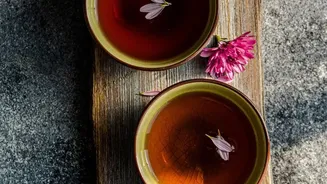
or Japan, or focus on a specific type, such as a flight of green teas (e.g., Sencha, Dragon Well, Gunpowder). For a beginner-friendly approach, select a variety of types: a delicate white tea, a grassy green tea, a complex oolong, and a robust black tea. Always arrange your tasting from the lightest tea to the strongest to avoid overpowering more subtle flavours early on.
Gathering the Essentials
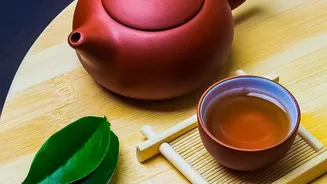
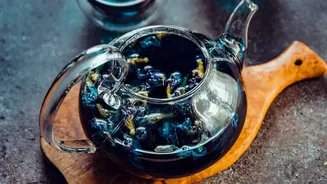
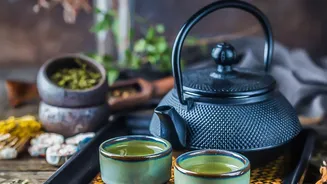
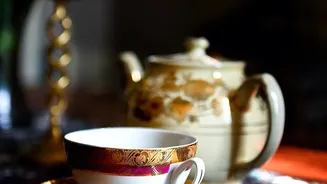
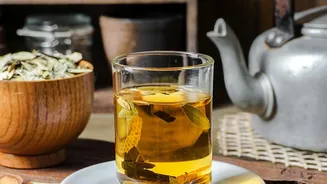
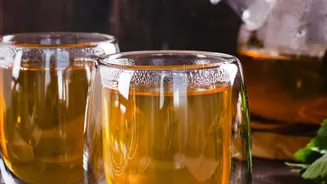
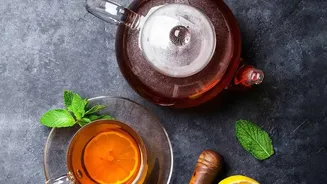
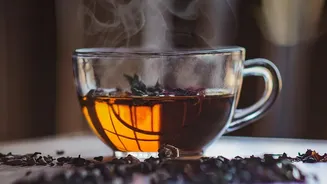
You don't need a lot of fancy equipment to host a beautiful tasting. The absolute must-haves are a kettle for hot water, a steeping vessel like a teapot or infuser, and small cups for each guest. White or clear cups are ideal as they allow guests to appreciate the colour of the brewed tea, also known as the liquor. If you plan to brew teas one by one, a single teapot is fine. To keep things organised, consider providing notecards and pens so guests can jot down their thoughts on each tea's aroma and flavour. Filtered water is recommended for the purest taste.
Perfecting the Brew
Proper brewing is key to unlocking each tea's true character. Water temperature and steeping time vary significantly between tea types. As a general rule, delicate teas require cooler water, while robust teas need hotter water. Green teas, for example, can become bitter if brewed with boiling water; a temperature around 175°F (80°C) for 2-3 minutes is often best. Black and herbal teas can handle boiling water (200-212°F or 93-100°C) and longer steep times of 3-5 minutes or more. It's helpful to have a timer and a kettle with temperature control, but you can always find specific instructions on your tea's packaging.
Curating Food Pairings
While tea is the star of the show, simple snacks can enhance the experience by cleansing the palate between sips. Plain crackers, mild cookies, or fresh water are excellent choices. If you want to offer more substantial pairings, the key is to match the weight of the food to the weight of the tea. Delicate white teas pair well with light foods like white fish or simple desserts, while bold black teas can stand up to rich meats and chocolate. Earthy green teas complement vegetarian dishes, and smoky oolongs are wonderful with smoked cheeses. Avoid anything with overpowering artificial flavours that could interfere with the tasting.
Guiding the Tasting Experience
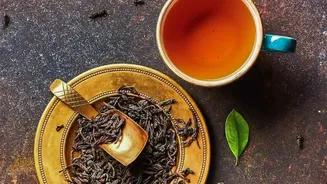
Encourage your guests to engage all their senses. Before brewing, pass around the dry leaves for everyone to see and smell. Once steeped, invite them to observe the liquor's colour and inhale the aroma from the cup. The tasting itself is best done with a 'slurp', which aerates the tea and coats the entire palate, revealing more complex flavours. Talk about the experience. Ask guests what they smell and taste. One person might detect floral notes while another senses fruit; there are no wrong answers. The goal is to notice the flavours, the texture or 'mouthfeel', and the lingering finish after you swallow.
Setting a Relaxed Atmosphere
The final detail is creating a calm and inviting environment. Soft background music can set a pleasant tone, but avoid scented candles or air fresheners, as their aroma can compete with the teas. Keep the setup comfortable and uncluttered, allowing plenty of space for cups and note-taking. The most important element is your attitude as a host. Emphasize that this is about exploration and fun, not expertise. A relaxed host encourages relaxed guests, making the entire experience more enjoyable for everyone involved.