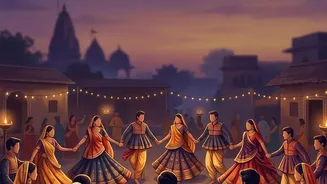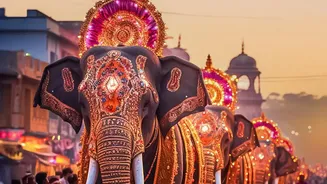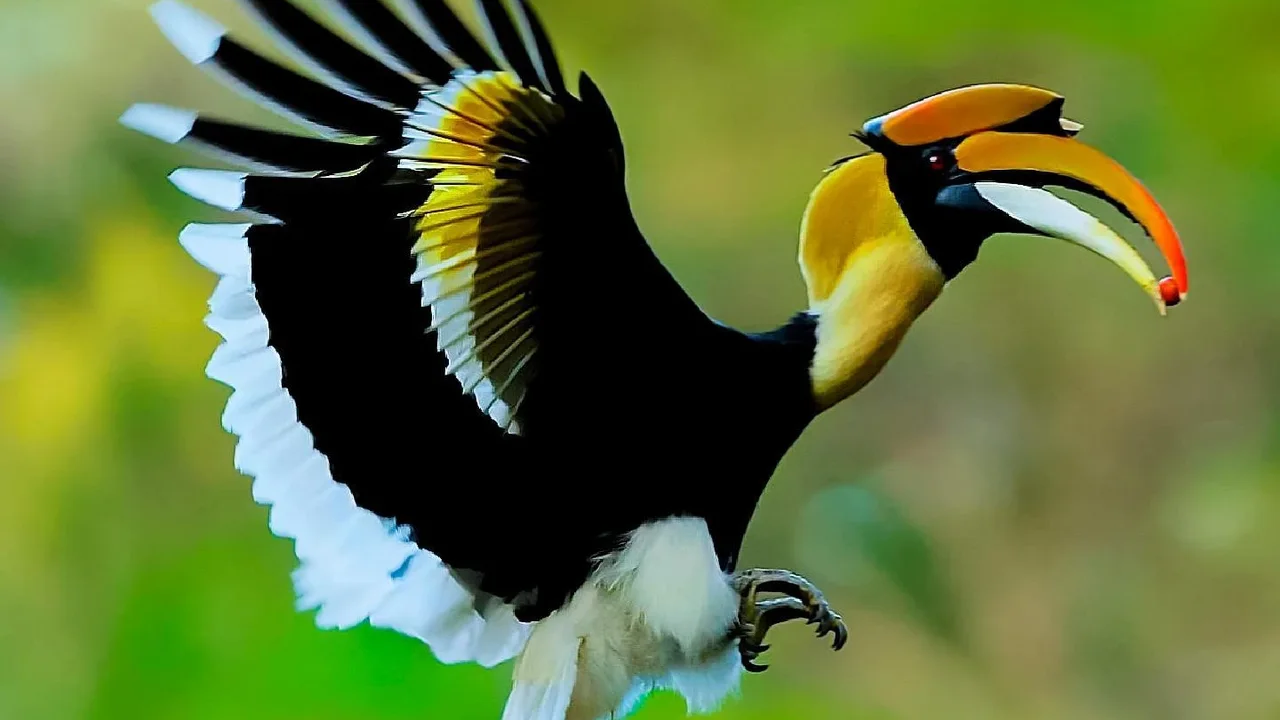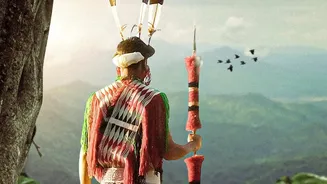






The Hornbill Festival is a spectacular showcase of Naga culture. But the true magic of Nagaland often lies just beyond the main stage. Here’s how to plan a trip that goes deeper into the heart of this incredible land during the 2026 festival.
Why Venture Beyond the Festival?
The Hornbill
Festival, held annually from December 1st to 10th at the Kisama Heritage Village, is an unmissable cultural extravaganza. It brings together the diverse tribes of Nagaland for ten days of traditional dance, music, food, and crafts. However, spending all your time at the main venue means you might miss the serene landscapes and intimate cultural encounters that define Nagaland. Venturing out allows you to experience the state at your own pace, escape the festival crowds, and connect more deeply with the local way of life. It turns a great festival trip into an unforgettable journey.
Kohima: More Than Just a Gateway
Most visitors use Kohima, the state capital, as a base for the festival, which is located about 12 km away. But Kohima is a destination in its own right. Dedicate a day to exploring the Kohima War Cemetery, a quiet and poignant memorial to the soldiers who died in the fierce Battle of Kohima during World War II. The epitaph on the main memorial, 'When you go home, tell them of us and say for your tomorrow, we gave our today', is profoundly moving. For a dose of culture, visit the Nagaland State Museum to understand the traditions and lifestyles of the state's 16 major tribes. The bustling Naga Bazaar offers a slice of local life, where you can see regional produce and traditional wares being sold.
Khonoma: A Lesson in Conservation and Courage
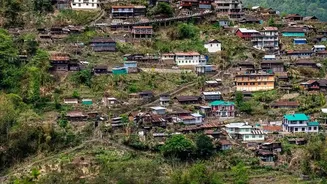
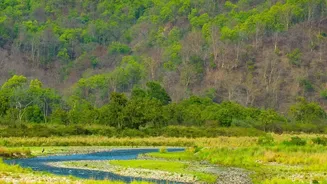
Just 20 km from Kohima lies Khonoma, known as India's first 'green village'. This Angami Naga village has a powerful history of resistance against the British and, more recently, a remarkable story of conservation. In a collective decision, the community banned hunting and logging, creating a sanctuary for its wildlife. A guided walk through Khonoma is essential. You'll navigate its stone-paved paths, learn about the fortified 'khels' (clan areas), and marvel at the intricate terraced fields carved into the hillsides, which grow over 20 types of paddy. Staying overnight in a local homestay offers a chance to experience Angami hospitality and hear stories from the village elders, providing a rich experience that a day trip can't match.
The Dzukou Valley: A Trek into the Clouds
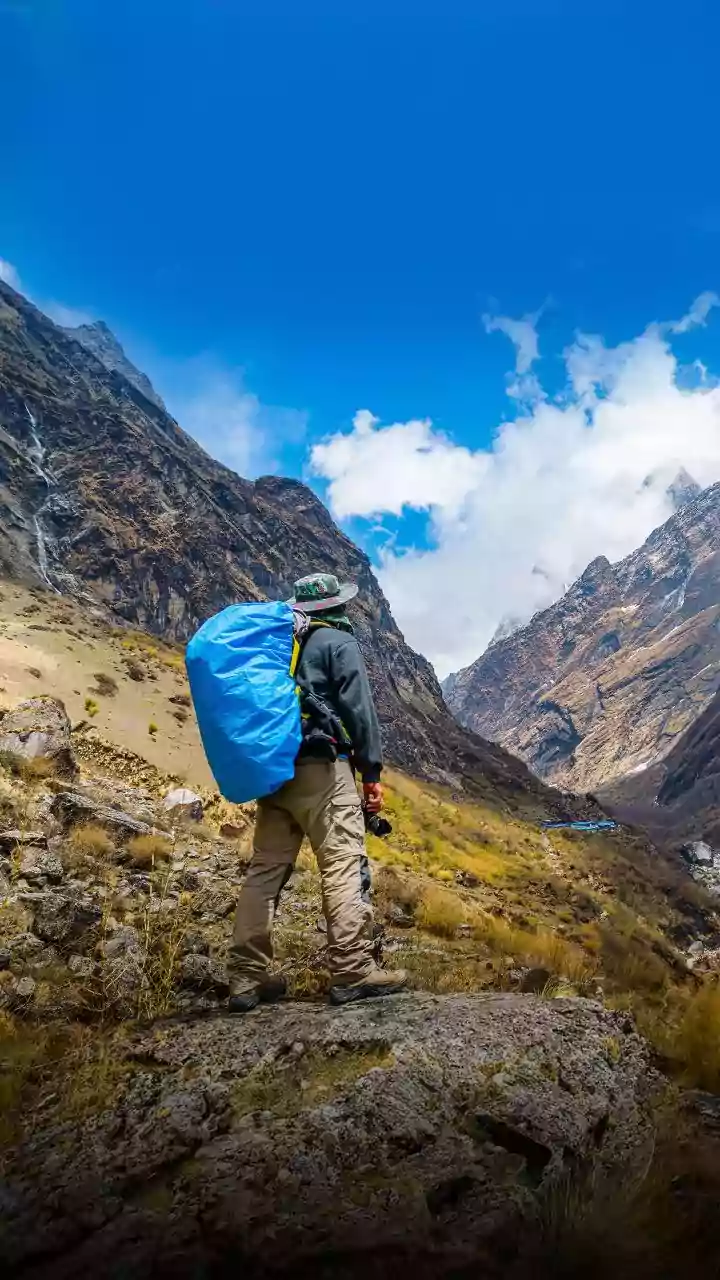
For the adventurous traveller, no trip to Nagaland is complete without the Dzukou Valley trek. The trailhead is easily accessible from Kohima, making it a perfect add_on to a Hornbill visit. Often called the 'Valley of Flowers of the Northeast', Dzukou is a breathtaking expanse of rolling green meadows at an altitude of over 2,400 metres. The trek is considered moderate, with a steep initial climb followed by a gentle walk through the valley. There are two main routes from the villages of Viswema and Jakhama. While a long day trip is possible, staying overnight in the basic trekker's hut is highly recommended to witness the valley bathed in the golden light of sunrise and sunset. The experience of waking up to mist_filled valleys is truly magical.
Practical Tips for Your Nagaland Adventure
Planning is key for a smooth trip. First, all domestic tourists require an Inner Line Permit (ILP) to enter Nagaland, which can be easily applied for online. The nearest airport and major railway station are in Dimapur, about 70 km from Kohima, a 2–3 hour drive. Accommodation in and around Kohima gets booked months in advance for the festival, so reserve your hotels or homestays early. While at the festival, remember that cash is king, as ATMs can be unreliable and most stalls won't have digital payment options. For exploring beyond Kisama, hiring a local taxi is the most convenient option, though shared taxis are also available for popular routes like the one to Khonoma.