




Why Protein is Crucial for Fitness
Before diving into our protein powerhouses, let's understand why protein is so essential for an active lifestyle. When you exercise, especially during strength training, you create tiny micro-tears in your muscle fibres. Protein provides the building
blocks—amino acids—that your body uses to repair this damage, making your muscles stronger and more resilient. Adequate protein intake is vital for muscle growth, recovery, preventing muscle loss, and even keeping you feeling full and energised throughout the day. For young, active individuals, aiming for a higher protein intake is key to seeing the results of your hard work in the gym.
Lentils (Dal): The Humble Powerhouse
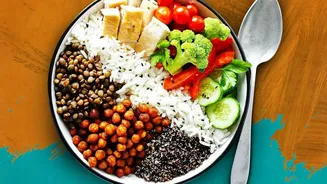
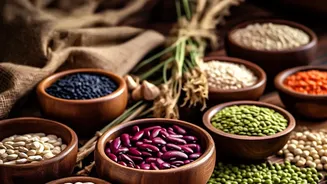
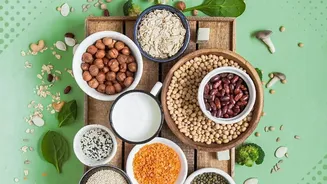
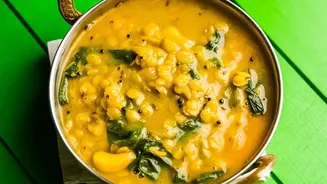
Lentils, a staple in every Indian household, are one of the most reliable and affordable sources of plant-based protein. A single cooked cup of dal can provide around 18 grams of protein. They are also rich in dietary fibre, which aids digestion and promotes a feeling of fullness, helping you manage your overall calorie intake. While lentils are slightly low in one essential amino acid, methionine, this is easily corrected by pairing them with grains like rice or roti, a combination that has been traditionally perfected in Indian cuisine for centuries.
Paneer: The Vegetarian's Muscle-Building MVP
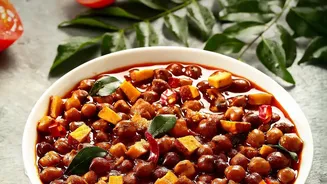
Paneer is often the first food that comes to mind for vegetarian protein in India, and for good reason. It’s a ‘complete protein’, meaning it contains all nine essential amino acids your body needs. Packing around 18-20 grams of protein per 100-gram serving, paneer is a fantastic choice for muscle repair. Much of its protein is casein, which is slow-digesting. This makes paneer an excellent option for a meal later in the day, as it provides a sustained release of amino acids to your muscles, supporting recovery even as you sleep. However, it's also higher in fat and calories, so portion control is important depending on your specific fitness goals.
Tofu: The Versatile Soy Star
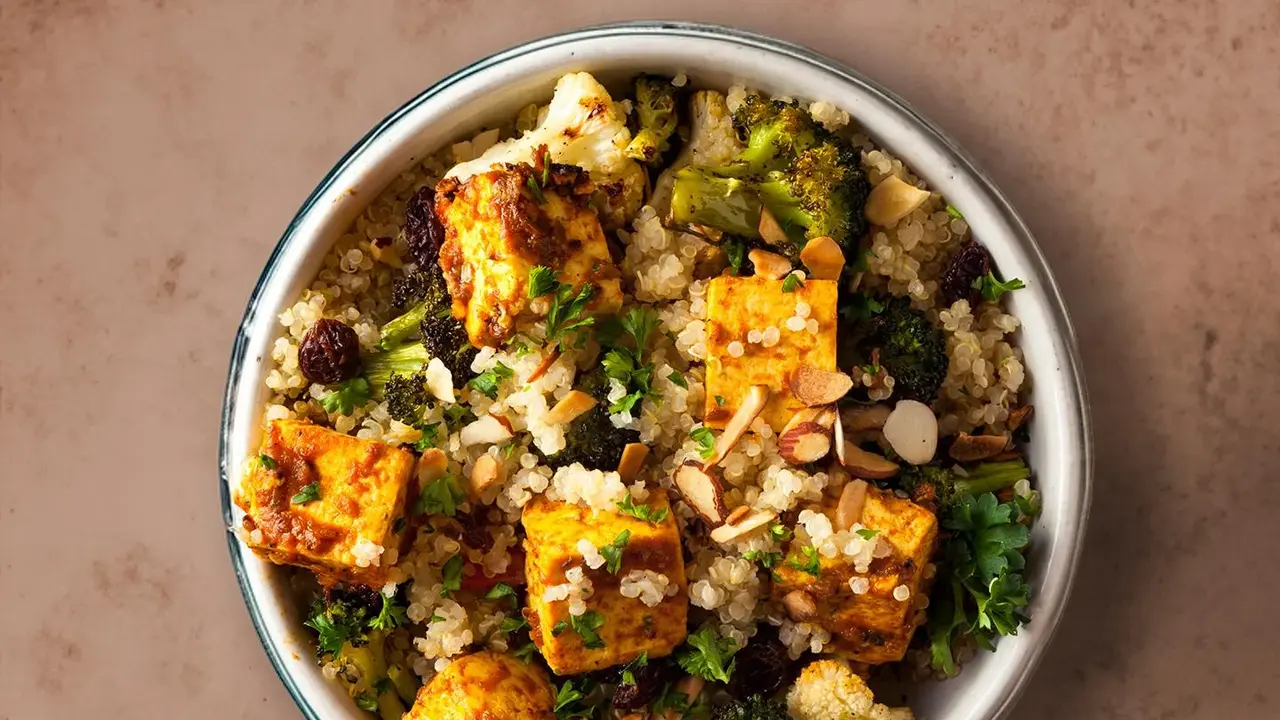
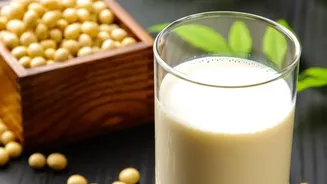
Tofu, made from soybeans, is another complete protein that deserves a spot on your plate. A 100-gram serving of firm tofu offers a respectable amount of protein (around 14-17 grams in some cases, though values vary), but with significantly fewer calories and less fat than paneer. This makes tofu an excellent choice if your goal is to build lean muscle while managing your weight. Its neutral flavour is a major advantage, as it easily absorbs the taste of spices and sauces, making it incredibly versatile for everything from curries and scrambles (bhurji) to stir-fries.
The Power of Combination: Better Together
While paneer and tofu are complete proteins on their own, the real magic for a varied vegetarian diet lies in combining different sources. The concept of 'protein combining' ensures you get a full spectrum of amino acids throughout the day. You don't necessarily need to eat them all in one meal. By rotating between lentils, paneer, and tofu, and pairing them with grains, nuts, and seeds, you create a diverse and robust nutritional profile that effectively supports muscle synthesis. This variety not only covers your nutritional bases but also keeps your meals interesting and enjoyable.
Smart Meal Ideas for Your Fitness Goals
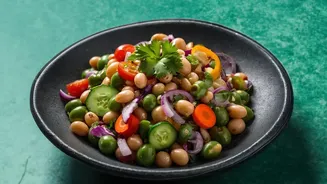
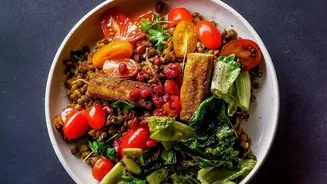
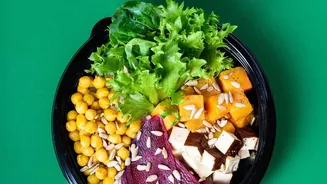
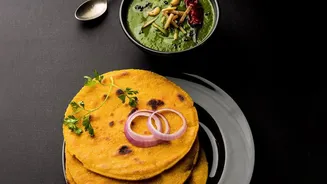
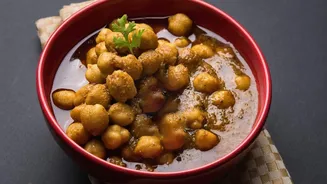
Putting it all into practice is simple and delicious. For a protein-packed lunch, consider a mixed dal with a side of paneer bhurji and whole-wheat roti. Another great option is a stir-fry with cubed tofu, a variety of vegetables, and a serving of lentil soup. You could also create a high-protein salad by mixing boiled lentils and chickpeas with crumbled tofu and a light dressing. For a hearty dinner, a curry that includes both paneer and soya chunks can maximise protein intake. Experimenting with these combinations, like making lentil and tofu patties or a high-protein bake, can add excitement to your meal prep.