




1. Balsam (Impatiens)
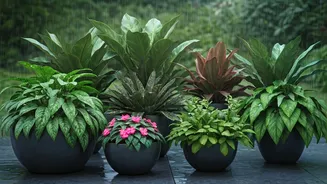
Often called the quintessential monsoon flower, Balsam is a delight for any gardener. These plants seem to come alive with the first rains, producing a profusion of delicate flowers in shades of pink, purple, red, and white. They are incredibly easy to grow
from seed, often sprouting within a week. Their love for moisture makes them a perfect fit for the rainy season, but they do require well-draining soil to prevent their roots from rotting. Plant them in pots or window boxes where they can receive partial sunlight. Their fleshy, water-filled stems are a clear indicator of their love for hydration, but this also means they can be prone to fungal issues if airflow is poor. Ensure there's some space between plants to keep them healthy and blooming all season long.
2. Hibiscus
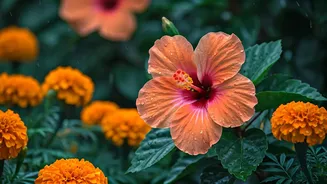
The sturdy and spectacular Hibiscus is a familiar sight in Indian gardens, and it puts on its best show during the monsoon. The high humidity and consistent moisture encourage lush foliage and an abundance of large, showy flowers. These tropical beauties thrive in full sun but appreciate the regular watering that the rainy season provides. When grown in pots, the key is drainage. Ensure your pot has plenty of holes and use a sandy, well-aerated soil mix. The rain washes dust off their glossy leaves and seems to invigorate the plant, leading to more frequent and vibrant blooms. It's a hardy choice that rewards you with daily flowers, making it a cheerful addition to any balcony or terrace.
3. Caladium
If you want to add a splash of drama with foliage, look no further than Caladiums. Known for their large, heart-shaped leaves painted in stunning combinations of pink, white, red, and green, these plants thrive in the shaded, humid conditions that the monsoon offers. Direct, harsh sunlight can scorch their delicate leaves, so they are perfect for covered balconies, verandas, or spots under larger plants. They grow from tubers and adore moisture, emerging from dormancy as the rains begin. While they love water, they dislike sitting in a waterlogged pot. A mix of cocopeat, compost, and perlite will keep the soil moist but not soggy, allowing these 'Angel Wings' to flourish.
4. Spider Lily (Hymenocallis)
The Spider Lily is a magical plant that often waits for the monsoon to make its grand entrance. These bulbous plants produce long, strap-like leaves, but the main event is their unique and fragrant flowers. White, spidery petals emerge from a central cup, creating a truly exotic look. They are remarkably low-maintenance and thrive on neglect, making them perfect for beginners. They can handle heavy rainfall with ease and do well in both full sun and partial shade. Plant the bulbs in a large pot or directly in a garden bed and watch them multiply over the years. Their sudden appearance after a long dry spell is one of the true joys of monsoon gardening.
5. Turmeric (Haldi)
Why not grow something you can eat? Turmeric is a tropical plant that loves the exact conditions of the Indian monsoon: warmth, humidity, and plenty of water. You can easily grow it in a wide, shallow pot on your balcony. Plant a few healthy rhizomes (the part you cook with) just below the surface of well-draining, rich soil. The rain will take care of most of the watering. Soon, you'll see beautiful, broad green leaves unfurl, creating a lush, tropical look. The plant will grow throughout the monsoon and winter, and you can harvest your own fresh, organic turmeric when the leaves start to yellow and dry out.
6. Peace Lily (Spathiphyllum)
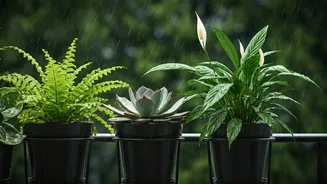
For those who want to bring the monsoon's freshness indoors, the Peace Lily is an excellent choice. While it shouldn't be left out in the pouring rain, this popular houseplant thrives in the high ambient humidity of the season. Its glossy, dark green leaves look healthier, and it's more likely to produce its elegant white spathe 'flowers'. It's also a forgiving plant; it droops dramatically when it needs water and perks up quickly once hydrated. Keep it in a bright spot with indirect light and enjoy a touch of the rainy season's lushness inside your home, safe from the downpour.