


Embrace Your Core Ingredients
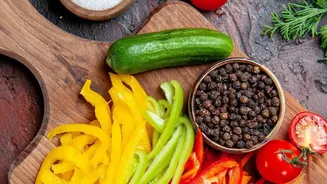
The foundation of efficient home cooking is a well-stocked pantry of versatile staples. Think beyond just salt and oil. In most Indian kitchens, this means having a ready supply of onions, tomatoes, ginger, garlic, potatoes, and a core set of lentils
(like toor and moong dal). These are the building blocks for countless dishes. By planning your meals around these items, you shift from recipe-driven shopping to ingredient-driven cooking. This approach ensures you always have the base for a meal, reducing last-minute grocery runs and preventing the dreaded 'fridge full of food, but nothing to eat' scenario. Make a list of what you already have before you shop to avoid buying duplicates and wasting food.
The Power of One Vegetable, Many Ways
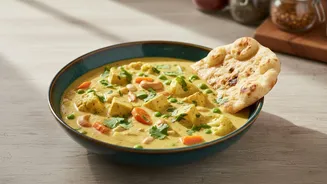
The key to avoiding meal fatigue when using overlapping ingredients is to vary your cooking methods. A single vegetable can be transformed, offering different textures and flavours. Take cauliflower, for example. On Monday, it can be part of a dry stir-fry (sabzi). On Wednesday, it can star in a rich, gravy-based curry. By the weekend, it can be roasted with spices for a smoky appetiser or grated and mixed into dough for flavourful parathas. The same principle applies to other vegetables like carrots (used in salads, soups, and halwa), bell peppers (stir-fried, stuffed, or blended into a sauce), and spinach (pureed for palak paneer, chopped into dal, or added to dough). This strategy keeps your menu exciting without a long, complicated shopping list.
Mastering the Art of Batch Prep
A little preparation over the weekend can save you immense time and effort during the week. This doesn't mean you have to cook full meals in advance. Instead, focus on prepping components. One of the most effective strategies for Indian cooking is to prepare a large batch of onion-tomato masala. This versatile base can be stored in the fridge or frozen in portions, ready to kickstart dishes like chana masala, rajma, or a quick egg curry. You can also boil a large batch of potatoes, lentils, or chickpeas. Having these cooked and ready allows you to assemble meals quickly—think aloo chaat, lentil salads, or a simple dal tadka—in a fraction of the time.
Plan for Overlap and Leftovers
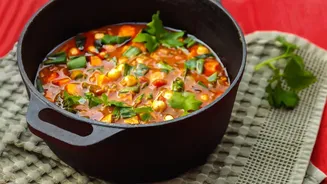
Smart meal planning involves thinking about how meals can build on one another. When you plan to roast a whole chicken, also plan to use the leftover meat for sandwiches or fried rice the next day. If you make a large pot of sambar, the leftovers can be enjoyed with idlis for breakfast. This mindset shifts leftovers from being a problem to being a planned-for ingredient. Create an 'eat me first' section in your fridge for items that are nearing their expiry to ensure they get used up. This not only reduces waste but also simplifies your cooking schedule for the following days, making your kitchen more efficient and economical.
Creative Combinations and Swaps
Don't feel strictly bound by a recipe's ingredient list. Recipes are guidelines, not rigid rules. If a recipe calls for broccoli but you have an abundance of green beans, feel free to make a swap. Understanding which vegetables work well together by flavour profile or cuisine can empower you to improvise. For instance, many root vegetables can be used interchangeably in roasted dishes, and most leafy greens can be swapped in soups and dals. This flexibility allows you to cook with what's fresh, what's on sale, and what you already have, turning your kitchen into a hub of creativity rather than a source of stress.